English








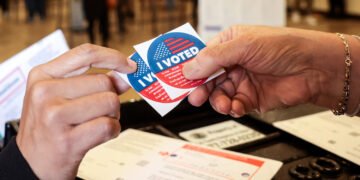

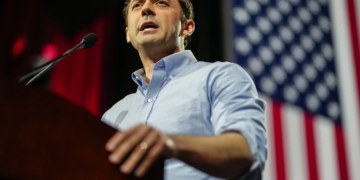




























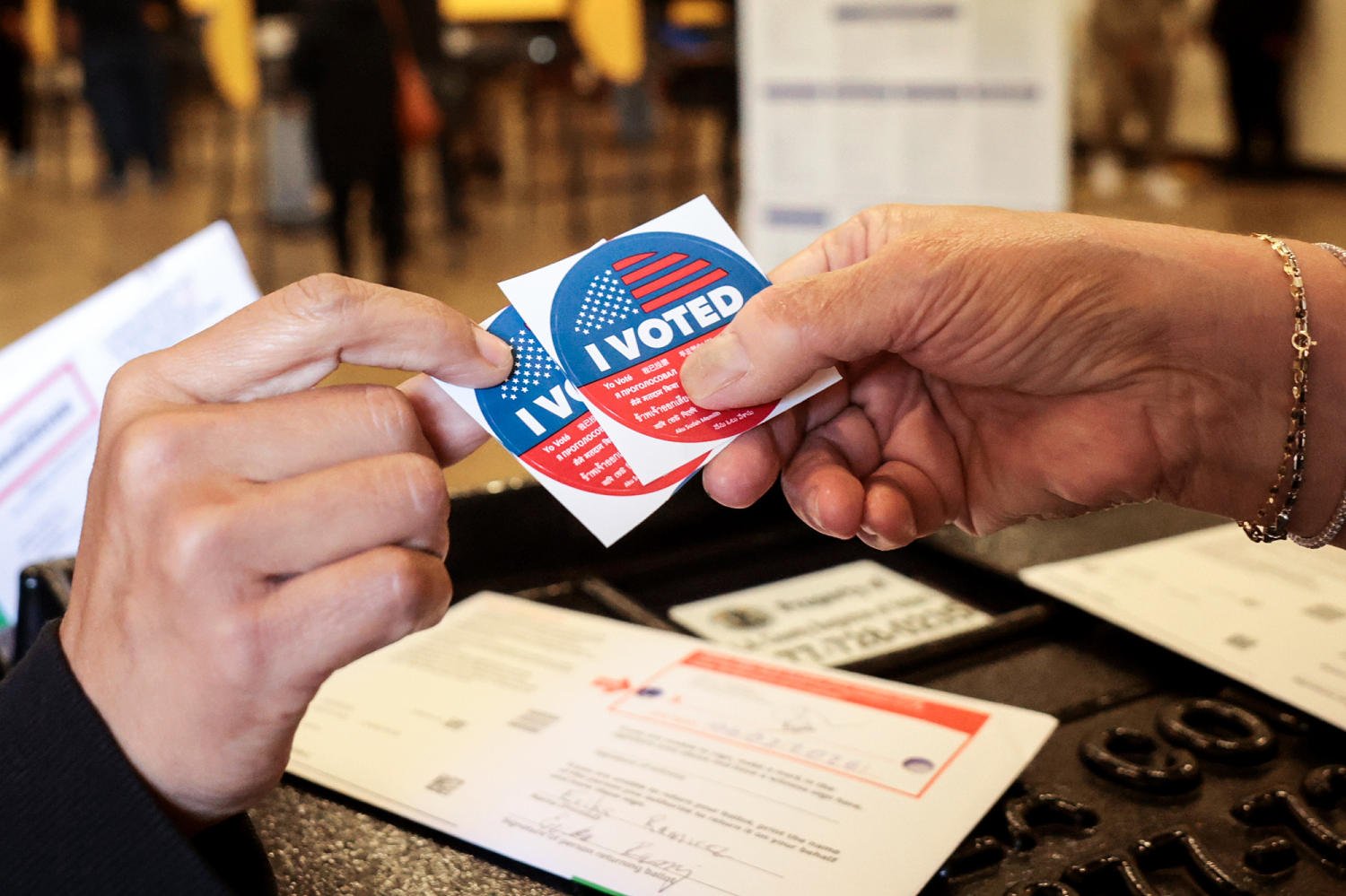
The U.S. Department of Justice has threatened to take legal action against California after state and local officials failed to immediately comply with federal demands to review a list of suspected noncitizen voters. Acting Deputy Attorney General R. Trent McCotter sent letters on Tuesday to California Secretary of State Shirley Weber and Los Angeles County Registrar-Recorder Dean Logan. The letters included a password-protected thumb drive containing names of individuals the federal government believes are likely noncitizens who received mail-in ballots for the 2026 election.
DOJ Demands Action by Thursday Deadline
McCotter set a deadline of noon on Thursday for officials to review the list. He asked county election officials to segregate — but not cancel — the mail-in ballots of those individuals until their citizenship status could be confirmed. “Allowing noncitizens to vote cancels citizen votes,” McCotter wrote in the letter, which NBC News obtained.
Stay connected to every major update — subscribe and follow us on the PhoenixQ website and across our social media platforms.
A Justice Department spokesperson defended the move in a statement. “It is a federal crime for noncitizens to vote in U.S. elections, and the DOJ is asking California to ensure that is not occurring,” the spokesperson said. “This should not be controversial, as the criminal statute is clear: only American citizens may vote in federal elections.”
However, legal experts pushed back on the federal government’s authority to make such demands. Justin Levitt, an NBC News contributor and former DOJ official under the Obama administration, said the federal government has no legal basis for its requests. “They can send the letter,” Levitt said. “California doesn’t have to do anything about it.”
Federal law also prohibits systemic voter list maintenance within 90 days of a federal election. With less than three weeks until Election Day, officials can only remove voters based on individualized information, such as a notification from the Social Security Administration confirming a person’s death. The DOJ clarified that it is asking California to sequester ballots, not alter the voter rolls.
California Officials Reject the Federal Thumb Drive
Los Angeles County Registrar-Recorder Dean Logan responded publicly on Wednesday. He said his office had not accessed the thumb drive the DOJ provided. “Doing so would conflict with established data privacy and information security protocols,” Logan said. “We do not consider the device a secure medium.”
Logan also stressed that any decision to remove a voter from eligibility must rely on verified information. “Federal and state laws are clear on how voter eligibility is established,” he said. “Any action to remove a voter from eligibility must be based on verifiable information, not assertions of unconfirmed data matching.” California Secretary of State Shirley Weber did not respond to requests for comment.
All registered voters in California receive mail-in ballots automatically. The state began sending those ballots out on October 5.
Broader Pattern of Federal Pressure on States
The threats against California are part of a wider effort by the Trump administration to target what voting experts describe as a relatively rare occurrence of noncitizen voting. Election officials in Georgia, Connecticut, Nevada and Washington state say they have received federal subpoenas for election records in recent months.
Some officials worry the pressure campaign aims to set the stage for legal challenges after the midterm elections. Stuart Holmes, Washington state’s director of elections, said he sees the moves as preparation for post-election disputes. “What we have seen is some groundwork laid out for post-election challenges,” Holmes said. “Whether that’s the seizure of voting equipment, ballots themselves, tabulation equipment — we’re preparing for any and all eventualities.”
Nevada Secretary of State Cisco Aguilar, a Democrat, also said his state is preparing for potential challenges to November’s results. He described the administration’s actions as an attempt to discourage voter participation. “You have a president who’s trying to choose the voter base rather than the voters choosing the elected, and that’s not how our democracy works,” Aguilar said. “It’s the people who control our elections.”
Levitt agreed with those concerns. “Are they laying the groundwork to say that voting was fraudulent? Of course they are, 100% they are,” he said, referring to the Trump administration.
Scale of the Administration’s Voting Enforcement Push
Since President Trump returned to office, his administration has brought more than 100 cases involving allegations of noncitizen voting. For context, more than 154 million people voted in the 2024 election, according to the U.S. Census Bureau. Meanwhile, the DOJ has sought voter registration data from every state in the country during the second Trump administration. It has filed lawsuits against 30 states and Washington, D.C., after they refused to comply. Trump has long made claims, widely disputed by election experts, that U.S. elections suffer from widespread voter fraud.