English






























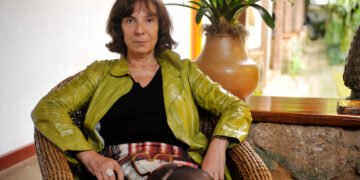
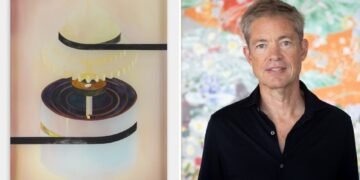








Three solo exhibitions currently on view at the Grand Rapids Art Museum place incarceration, punishment, and human dignity at the center of American public life. The shows run through January 2027 and feature work by or about people who have experienced the United States prison system firsthand. Together, they form an urgent and deeply personal portrait of life behind bars.
Gary Tyler: Four Decades of Art Behind Bars
Gary Tyler arrived at Louisiana State Penitentiary in 1974 at seventeen years old. Known as Angola, the prison sits at the dead end of Highway 66 on 18,000 acres of penal farmland, surrounded on three sides by bayou, bluffs, and swamp. Tyler had been wrongly convicted of shooting a white student during a segregationist mob’s attack on his school bus.
Stay connected to every major update — subscribe and follow us on the PhoenixQ website and across our social media platforms.
Inside Angola, Tyler turned to fabric. His grandmother had been a quilter, and materials could be found or bartered. Over four decades, including two stints on death row, he became a renowned textile artist. Craftswomen from across the South sought out the man behind the work. However, Tyler never considered himself an artist. “I said, ‘Call me a hobbyist,'” he told visitors at the opening of his solo show, titled Rebirth. “Artists were people in galleries, people with an audience.”
Tyler was released in 2016, after decades of campaigning by activists including Rosa Parks. One of his quilts depicts a great crane, the kind that once roosted in the wetlands around Angola. He said his soul sprang skyward on his first step outside. It has yet to descend.
Ray Materson and Julie Green: Invention and Loss
The second exhibition features Ray Materson, whose show carries the subtitle Metamorphosis. During his prison sentence for a drug-fueled robbery committed with a toy gun, Materson invented his own medium. He stitched palm-sized embroideries by hand from the unraveled threads of socks. The results blend Americana with Renaissance miniature in extraordinary detail.
His undated Self-Portrait shows him seated before a mirror, stitching the very piece the viewer is looking at. Down a receding tunnel, a smaller Materson stitches a smaller Materson, and so on. The effect suggests infinity. The thick black frame around his face is made of the same thread as everything else — not impossibly undone, but not yet broken either.
The third show is The Last Supper, a 1,000-piece ceramic installation by artist Julie Green. For twenty years, until her death in 2021, Green painted the final meal requests of death row inmates onto ceramic plates in cobalt blue. The requests range from an overflowing bucket of fried chicken to lobster, pecan pie, and birthday cake. Sometimes inmates refused a meal or authorities denied them one. Texas ended special last meals entirely in 2011, after a condemned man ordered a feast and left it untouched. Row upon row of Green’s plates simply read: “Standard prison fare.”
What Incarceration Means to American Life
“It’s not so much that these shows are timely,” said Jennifer Wcisel, curator of collections at the Grand Rapids Art Museum. “It’s that the question of what incarceration means to American life is never absent. It’s ongoing.”
Tyler’s 2025 quilt Convict Poker addresses that question directly. It depicts a Black man thrown from a bull at the Angola prison rodeo, the last event of its kind in the country. The rodeo runs twice a year and admits a paying public. In convict poker, a raging bull charges a mock card game, and the last prisoner still seated wins a prize. Tyler never rode in the rodeo. Still, he does not judge those who do. One of his quilts was raffled at the event and raised $30,000 for the prison hospice program.
The men who volunteer, Tyler said, are willing “to jeopardize their lives or go through a sense of degradation just to entertain an audience because nobody wants to be forgotten.” He added: “These are men who may never go home. The announcer mentions their names, and that they are serving life sentences; understand?”