English










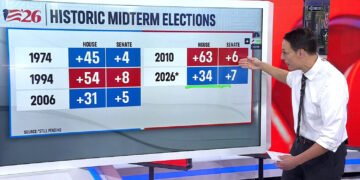
















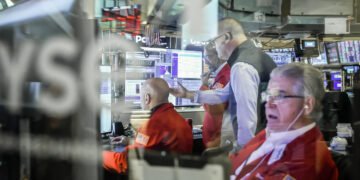

















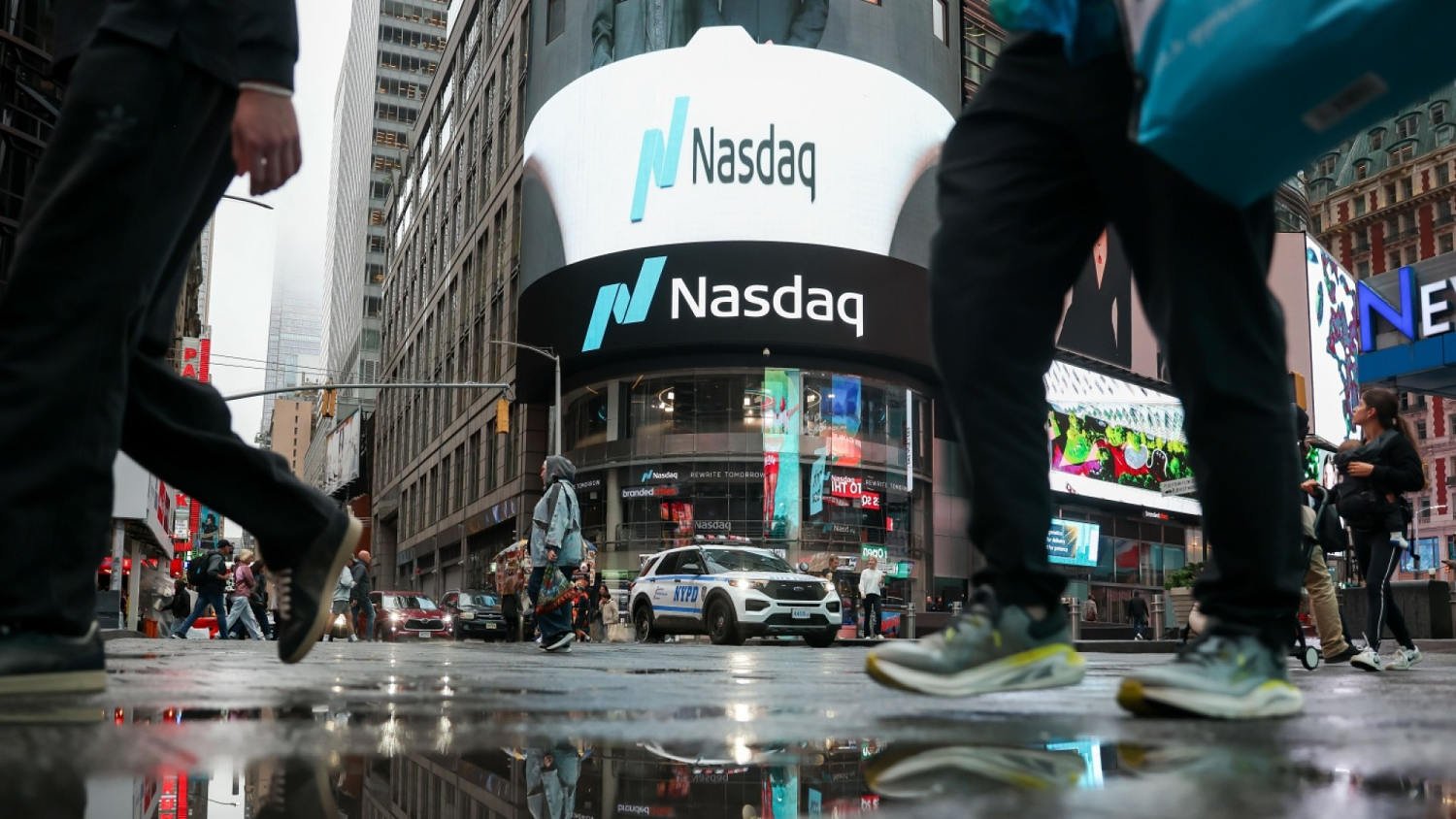
Stock markets reacted sharply on November 5, 2026, after Democrats secured a midterm election victory, with investors closely watching how the political shift could reshape economic policy in the United States.
Markets React to Democratic Midterm Victory
NBC News correspondents Allie Canal and Brian Cheung reported on the market response following the Democratic win. The election result added a new layer of uncertainty for investors already navigating a complex financial environment. Traders moved quickly to reassess their positions in light of the political outcome.
Stay connected to every major update — subscribe and follow us on the PhoenixQ website and across our social media platforms.
However, the midterm results were not the only factor driving market activity. Developments related to the ongoing conflict with Iran also weighed heavily on investor sentiment. Meanwhile, continued momentum in artificial intelligence investment kept some sectors of the market buoyant despite broader concerns.
Iran Tensions and AI Earnings Add to Market Volatility
The Dow Jones Industrial Average and the S&P 500 had recently hit record highs, fueled in part by progress in Iran talks and strong earnings from AI-linked companies. Those gains, however, faced pressure as uncertainty returned to the market. Iranian state media pushed back against reports of a deal, calling them “speculative” and confirming that “nothing has been finalized.”
At the same time, OpenAI filed for an initial public offering as the broader AI investment race continued to intensify. The filing drew significant attention from markets and signaled growing confidence in the commercial future of artificial intelligence. As a result, AI-related stocks remained a key point of focus for analysts and investors alike.
Broader Economic Concerns Persist
Beyond the election and geopolitical tensions, analysts also pointed to broader economic warning signs. Markets had already experienced turbulence in recent weeks, with major indices plunging on multiple occasions. Concerns about a potential Wall Street bubble had grown alongside the previously hot stock market performance.
The Federal Reserve’s recent decision to cut interest rates had also rattled investors. The Fed signaled a more cautious approach heading into the following year, which triggered a sharp drop in stocks shortly after the announcement. Furthermore, ongoing trade tensions and uncertainty around tariff policy continued to cloud the economic outlook.
Together, the Democratic midterm victory, the unresolved situation with Iran, and the fast-moving developments in artificial intelligence created a volatile backdrop for financial markets. Analysts noted that investors would likely remain on edge as they waited for greater clarity on both the political and geopolitical fronts.