English







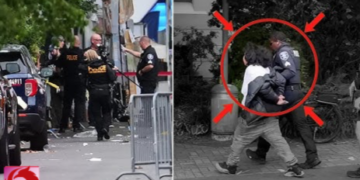












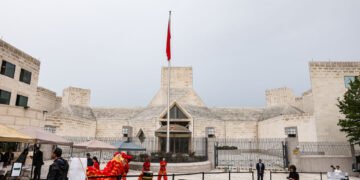










G7 foreign ministers gathered in Paris on Monday for two days of high-stakes diplomacy, with European nations expected to push the United States toward a fair settlement in Ukraine and urge restraint over further military action against Iran.
Ukraine Peace Talks Dominate the Agenda
Ministers from Britain, Canada, France, Germany, Italy, Japan and the United States are attending the summit. The concerns on the table closely mirror those raised at the group’s last meeting in March. Russia’s full-scale invasion of Ukraine, which began in February 2022, is now approaching its fifth year with no clear end in sight.
Stay connected to every major update — subscribe and follow us on the PhoenixQ website and across our social media platforms.
The Paris meeting coincides with US-mediated talks between Moscow and Kyiv scheduled for Tuesday and Wednesday in Abu Dhabi. European nations are watching those negotiations closely. They fear Ukraine could be pressured into accepting terms that disadvantage it.
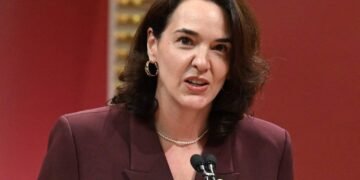
French Foreign Minister Jean-Noël Barrot confirmed that Europe would have a seat at the table. “Europeans will be represented and France will be in Abu Dhabi to participate in these talks,” he told RTL radio.
Meanwhile, US President Donald Trump raised alarm among European allies by predicting a “very big” deal with Russia. He suggested the agreement could extend beyond Ukraine to cover “all of Europe.” Trump’s envoy and son-in-law Jared Kushner added that Washington was working on “a broader European security architecture that can help establish the conditions for lasting peace.” European governments have previously greeted such concepts with scepticism.
Iran Strikes Remain on the Table
Iran also features prominently in the Paris discussions. Trump has not ruled out new military strikes, including against a site known as Pickaxe Mountain, which the United States suspects is a nuclear facility. Tehran denies this. European governments, however, want a diplomatic resolution. They are also eager to see shipping traffic return to normal through the Strait of Hormuz, a critical global energy transit route.
Trump signalled some openness to a deal on Friday. “We’re dealing with them now,” he said of Iran. “They want to make a deal very badly.”
Rubio’s Attendance Closely Watched
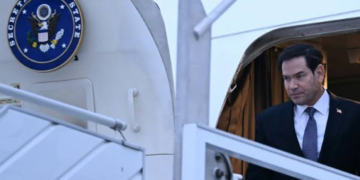
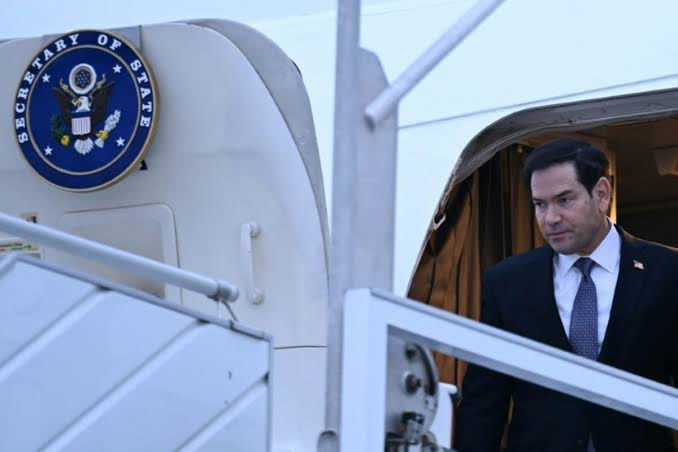
All eyes are on US Secretary of State Marco Rubio, who is attending both days of the meeting. At the March summit, he only appeared for one day. His visit to Paris marks his first international trip since the Republican Party’s defeat in the US midterm elections. US media have identified him as a potential future presidential candidate.
Before departing for France, Rubio declined to comment directly on the midterm results. “It is not uncommon to have a division of power in this country,” he told reporters, acknowledging that Democrats now control both houses of Congress. He also said he was not concerned about ongoing protests in France and trusted advice from US officials on the ground that attending the G7 meeting was safe.
Chernobyl Funding and Port Security Also on the Sidelines
On the margins of the summit, France’s finance ministry hosted a donor conference to raise funds for repairs to the dome protecting the Chernobyl nuclear reactor. The dome sustained damage in a Russian strike last year. Around 500 million euros is needed, but only just over half has been secured so far. Officials are targeting spring 2027 to raise the remainder.
In addition, the southern city of Marseille will host the launch of a network of 14 global ports joining forces to combat drug trafficking, an issue that has become a serious problem in the region, Barrot said. France takes over the G7 presidency from the United States in 2027.