English









































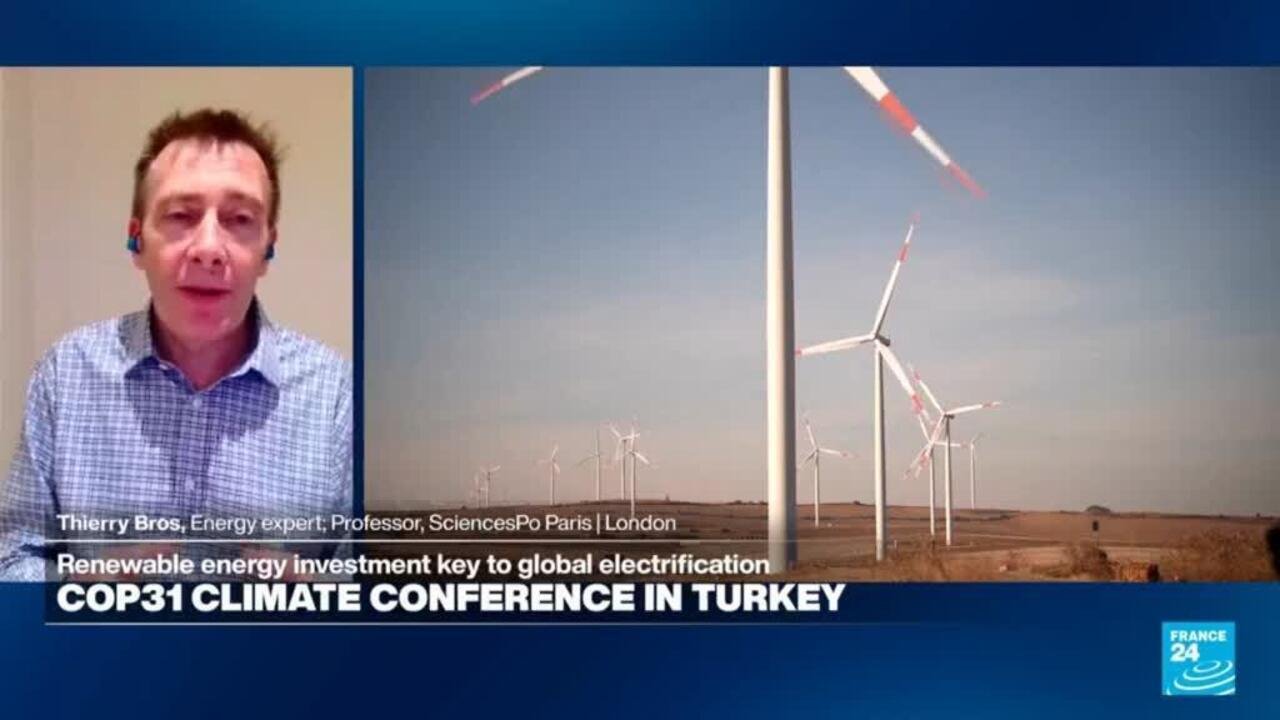
France generates some of the cleanest electricity in the world, yet a growing body of expert opinion argues the country is failing to make the most of it. Thierry Bros, an energy and climate expert and Professor of Science and Economics at Sciences Po, says the core problem is not a lack of clean power — it is a failure to prioritise electrification across the broader economy.
Electrification Before Everything Else
Bros makes a pointed argument: electrification must come first. He acknowledges, however, that this approach “doesn’t necessarily mean clean electricity.” His position is pragmatic rather than idealistic. He believes getting more of the economy running on electricity — regardless of the immediate energy source — is the more realistic path forward.
Stay connected to every major update — subscribe and follow us on the PhoenixQ website and across our social media platforms.
This view challenges the conventional sequencing of climate policy. Many governments have focused on building clean energy capacity before pushing widespread electrification. Bros argues that approach has it backwards. Electrification, in his view, should drive the transition rather than follow it.
A Critical View of International Climate Diplomacy
Bros is also sharply critical of global climate negotiations. “We’ve seen many COPs, and they’ve all failed,” he states. He questions whether ambitious international targets have delivered any meaningful structural change. So far, he argues, they have not.
His assessment reflects a broader frustration among some energy experts. Geopolitical conflicts continue to unsettle global energy markets. Meanwhile, governments struggle to balance climate commitments with economic pressures and energy security concerns. Bros believes this tension reveals a fundamental flaw in how climate policy has been designed and sequenced.
Rethinking European Energy Strategy
Bros also challenges some of the technological priorities that European policymakers have championed in recent years. He suggests electrification offers a more grounded and achievable route than certain other strategies that have received significant political backing.
France, with its large nuclear fleet, is well positioned to lead on this front. The country already produces low-carbon electricity at scale. Therefore, the opportunity to electrify heating, transport and industry exists right now. The barrier, Bros implies, is political will and policy sequencing — not energy supply.
His argument adds to a growing debate about how Europe should restructure its energy and climate strategy in a period of ongoing geopolitical instability. Rather than waiting for perfect conditions or global consensus, Bros calls for a more direct and immediate focus on expanding electricity use across all sectors of the economy.