English













































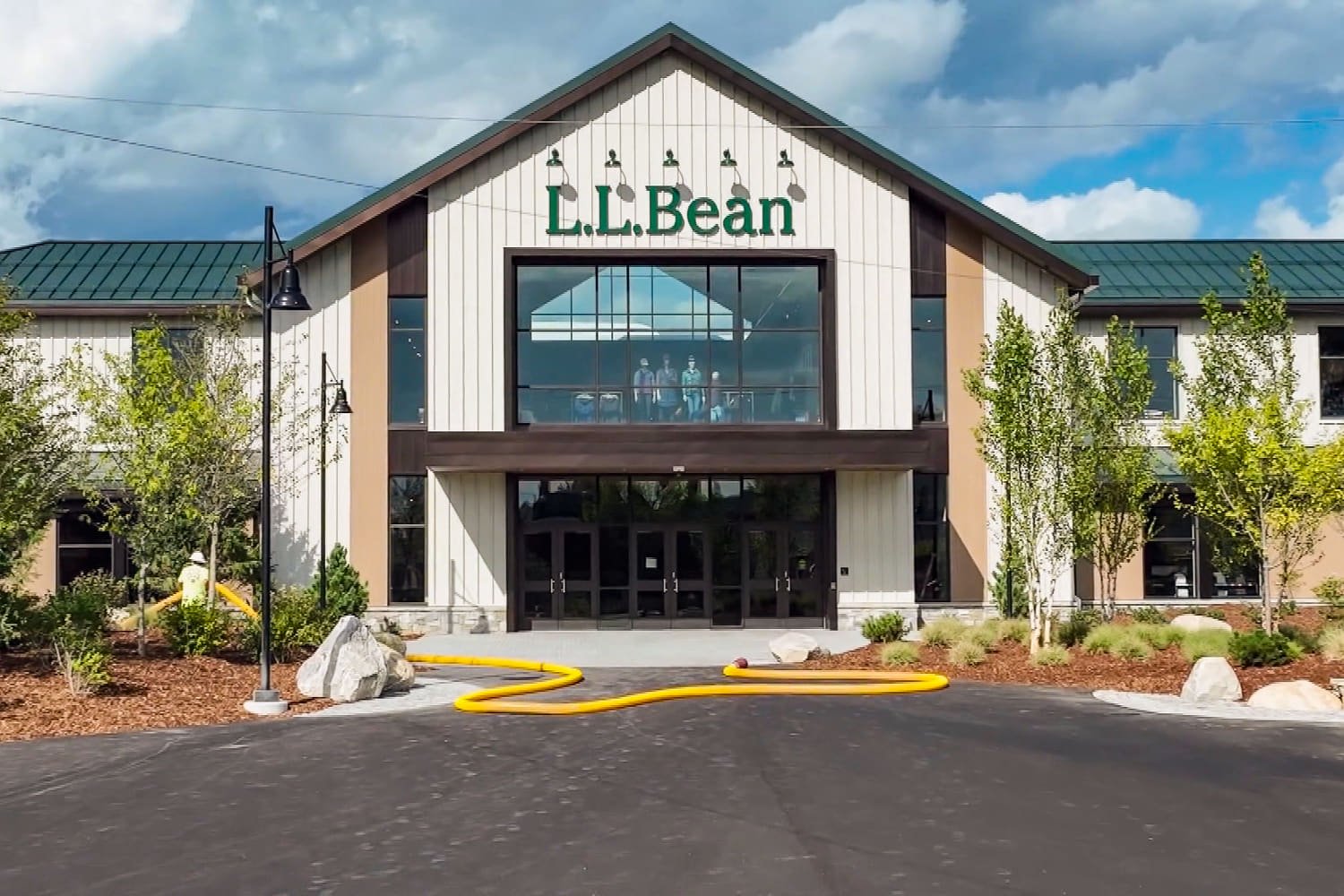
L.L.Bean, the iconic Maine-based outdoor retailer, is charting a deliberately old-fashioned course in an era of rapid retail transformation. While many competitors race to adopt artificial intelligence and shift toward online-only sales, the company is doubling down on physical stores, printed catalogs, and human-centered service — and its CEO shows no signs of changing direction.
A Brand Built on a Simple Idea
The company traces its origins to 1912, when founder Leon Leonwood Bean returned from a hunting trip with wet, aching feet. His solution was straightforward. He combined a waterproof rubber sole with a leather upper to create what became the legendary L.L.Bean boot. That single product launched a business that today generates roughly $2 billion in annual revenue.
Stay connected to every major update — subscribe and follow us on the PhoenixQ website and across our social media platforms.
CEO Greg Elder, speaking as part of NBC News’ “Business in America” initiative, recalled Bean’s founding insight. “He said, ‘I have an innovative solution. What if I developed the waterproofness of a rubber bottom and stitched on a leather upper?'” Elder has been with the company for nearly two decades and remains firmly committed to its roots.
L.L.Bean remains headquartered in Freeport, Maine, a coastal town about 20 minutes north of Portland. Elder said the founding family has no intention of moving. “We are a family-owned, privately held company,” he said. “The family remains steadfast in their desire to keep this based in Freeport, Maine, where we’ve always been.”
Investing in Physical Retail
As many retailers retreat from brick-and-mortar locations, L.L.Bean is moving in the opposite direction. The company currently operates around 60 stores across 22 states. Its flagship Freeport location recently completed a four-year, $50 million renovation. That store also holds a unique distinction — it stays open 24 hours a day, 365 days a year.
Elder said customers consistently tell the company they value the in-store experience. “The customer says they love to be able to come in and touch and feel the product,” he said. “They love to be able to try it on and feel the fabrics.” For L.L.Bean, that physical connection remains central to its retail strategy.
The Catalog Lives On
L.L.Bean launched its famous mail-order catalog in the same year the company was founded. More than a century later, it still prints and mails the publication. However, Elder acknowledged that daily mailing volumes have declined by an estimated 10% to 14% each year.
Despite that trend, he said the catalog is not going away. “There is nothing in the foreseeable future that would suggest we’re going to eliminate the catalog,” Elder said. Furthermore, the company produces it entirely without artificial intelligence. “We still believe in our hearts that old-school photography with real products on a real human is the way to go for our brand and our brand’s reputation,” he said.
A Cautious Stance on Artificial Intelligence
L.L.Bean’s approach to AI stands in clear contrast to many of its retail peers. While other major retailers have moved quickly to integrate AI tools to cut costs and boost efficiency, Elder said his company remains cautious and uncommitted.
He described L.L.Bean as “curious” about where AI might fit, but said the company is not actively seeking ways to deploy it. “That’s not who we are. That’s not in our DNA,” he said. “We still revolve around the personal selling experience.”
One key concern is environmental impact. Elder pointed to AI’s significant energy and water demands as a deterrent, particularly for a brand that positions itself as a sustainable outdoor company. “This computing power has an impact on the environment without question,” he said. He added that he hopes the industry eventually finds a balance — one that improves productivity while still respecting sustainability and preserving what he called the “humanity” of the L.L.Bean brand.
For now, Elder said the company is comfortable staying on the sidelines of the AI race. “It may be a little atypical,” he said. “But you know, that’s who we are.” After more than 100 years in business, L.L.Bean appears confident that its formula still works — and that it will continue to work for another century to come.