English













































Austria and two prominent Vienna museums have pushed back against legal arguments defending the Holocaust Expropriated Art Recovery (HEAR) Act, filing a formal response in a US court on Friday. The Republic of Austria, the Albertina Museum, and the Leopold Museum Foundation argue that the updated HEAR Act violates the US Constitution, specifically Article III and the Tenth Amendment.
Background to the Case
The three defendants face a lawsuit brought by Timothy Reif, a descendant of Fritz Grünbaum. Grünbaum was a Jewish cabaret performer and art collector who died in a Nazi death camp in 1941. Reif seeks the return of several works by Egon Schiele, which he claims the Nazis looted from Grünbaum’s collection.
Stay connected to every major update — subscribe and follow us on the PhoenixQ website and across our social media platforms.
However, the defendants dispute this account. They argue the works in question left Austria legally in the 1930s, exported by Grünbaum’s sister-in-law, and later sold to a Swiss dealer in the 1950s.
The HEAR Act and Its 2025 Amendments
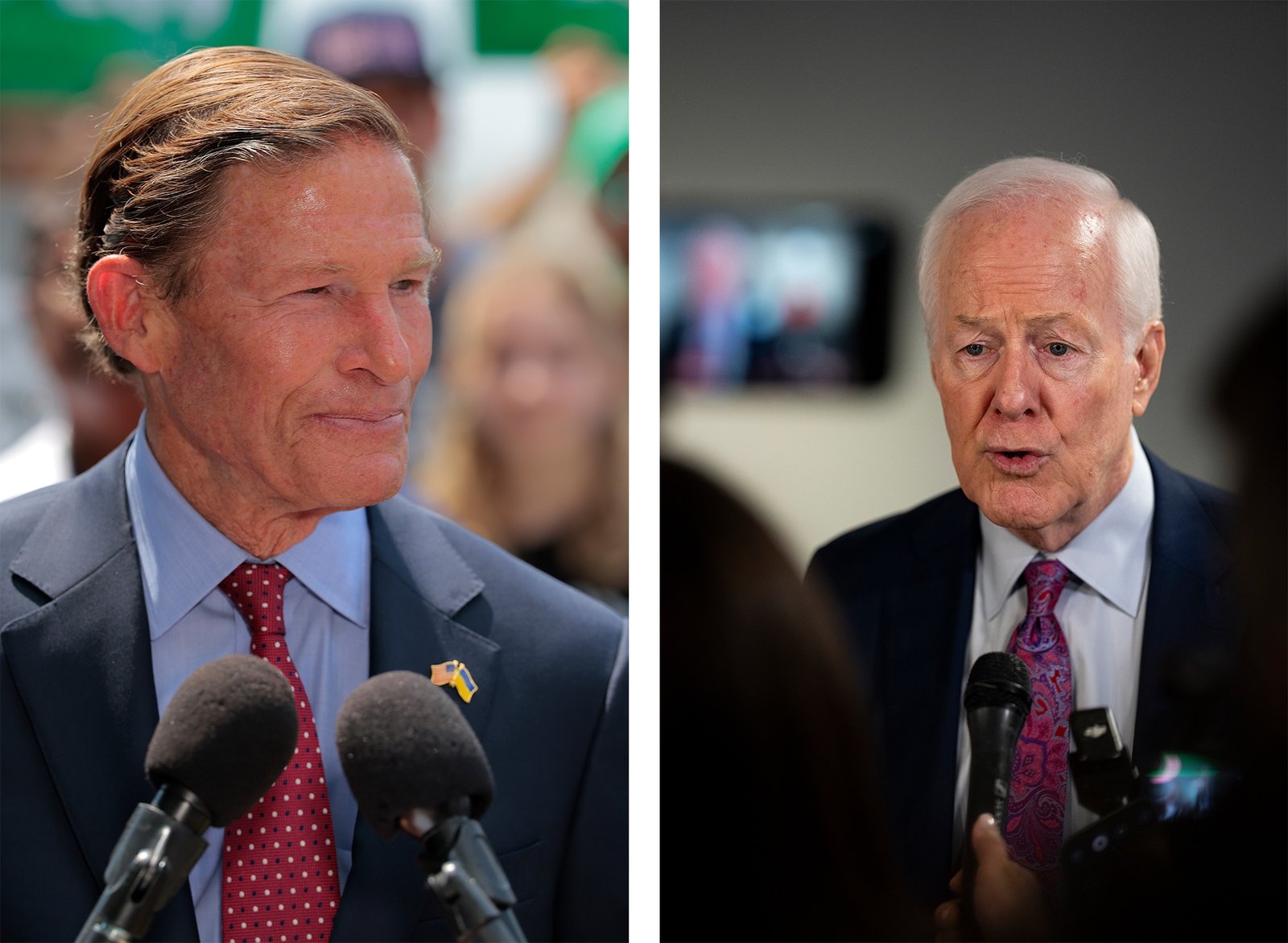
Friday’s filing directly responds to briefs submitted last month by the Department of Justice and by Senators Richard Blumenthal, a Democrat from Connecticut, and John Cornyn, a Republican from Texas. Both senators argued in favor of the HEAR Act’s constitutionality. Neither responded immediately to requests for comment.
President Donald Trump signed amendments to the HEAR Act into law last year. Congress originally passed the act in 2016, and it was due to expire in 2026. The amendments extend it indefinitely. They also address several high-profile restitution cases that previously failed in court on technical grounds, including inconsistent statutes of limitations across different states.
Although the defendants acknowledge the senators’ efforts to address Holocaust-era injustices, they maintain that Congress overstepped its constitutional authority when it passed the amended version of the law.
Constitutional Concerns at the Core
The defendants argue the HEAR Act does not establish a full federal law for art restitution, similar to federal copyright law. Instead, they say it leaves restitution matters to individual states while simultaneously stripping courts of key legal defenses. As a result, they contend the law violates both the Tenth Amendment and the separation-of-powers doctrine under Article III.
One specific concern involves the laches defense. This legal principle allows courts to dismiss claims where a plaintiff unreasonably delayed taking action. The 2025 amendments bar courts from considering whether such delays caused the loss of critical evidence. The defendants argue this effectively forces courts to rule in favor of plaintiffs without proper factual review.
“By forbidding the federal courts from any longer considering these equitable defenses, Congress is intruding on the constitutional right and obligation of Article III courts to decide such cases for themselves,” the filing states.
Potential Path to the Supreme Court
William L. Charron, an attorney for the defendants, said Friday’s filing aimed to directly address the constitutional arguments raised by the Justice Department and the two senators. He also noted the case could potentially reach the Supreme Court if courts must rule on the HEAR Act’s constitutionality.
“I believe these are important and serious issues,” Charron said. “But we have given the Court a number of grounds to dismiss the case without addressing those constitutional questions.”