English











































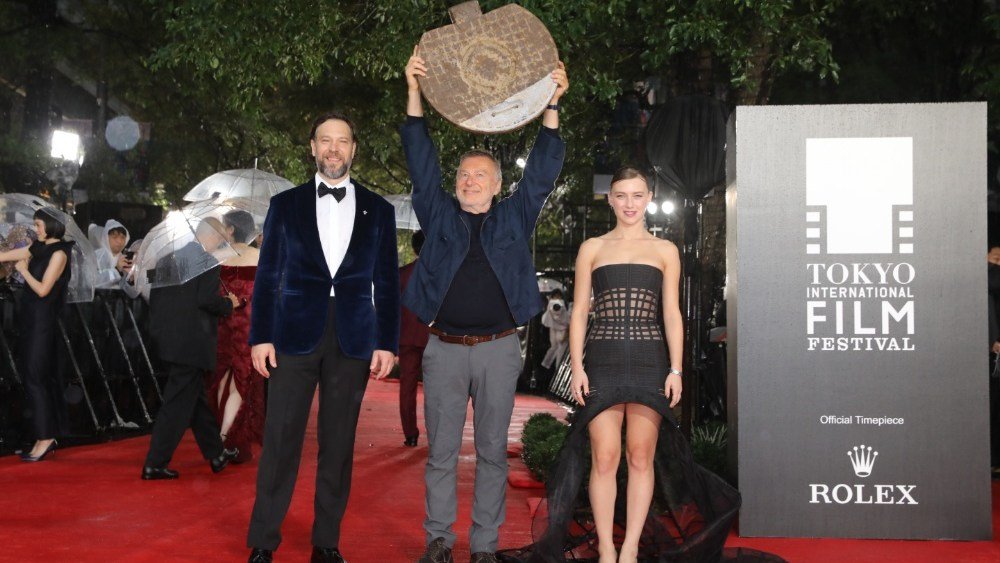
North Macedonian filmmaker Milcho Manchevski has returned to international competition with his new dark comedy Sister Brother Manhole Cover, screening at the Tokyo International Film Festival. The film marks a significant comeback for the director, whose debut feature Before the Rain won Venice’s Golden Lion in 1994 and earned an Oscar nomination. The project faced years of delays after Manchevski publicly accused his country’s film agency of corruption.
A Story of Siblings on the Margins
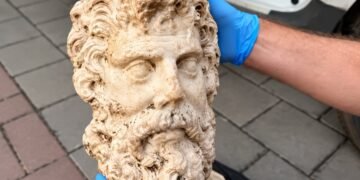
The film follows Malina and Viktor, a sister and brother surviving on the edges of post-Communist Macedonia. They steal bronze busts of national heroes and manhole covers, then sell the metal for cash. When a job goes badly wrong and Viktor suffers serious injuries, Malina strikes a deal with a corrupt doctor. The siblings soon find themselves on the run and eventually take shelter with the doctor’s wealthy blind mother, Todora.
Stay connected to every major update — subscribe and follow us on the PhoenixQ website and across our social media platforms.
Manchevski says the story grew from his interest in sibling love. “I wanted to tell a story about a kind of love that is rarely at the center of films, yet it is so beautiful: the love between a brother and a sister,” he told Variety. “It can be fierce, complicated, sometimes painful, but also unconditional like no other type of love.” He also drew inspiration from traditional Macedonian songs about sisterly bonds, which he describes as poignant and at times shocking.
The director was careful not to romanticize his characters or their poverty. “Poverty is not picturesque. It is painful and dehumanizing,” he said. “The circumstances that shape these lives are real, and they are political.” Although Malina and Viktor break the law and make serious mistakes, Manchevski chose not to portray them as victims. Instead, he sees their refusal to accept that label as a way of reclaiming their own story.
Symbolism Behind the Stolen Objects
For Manchevski, the stolen busts represent the values a society claims to honor while abandoning people like his protagonists. The manhole covers carry a different meaning. They conceal what he calls “the ugliness of society, its septic underground” — until someone removes them. Both objects reflect a world where everyday infrastructure and national ideals exist far from the lives of ordinary struggling people.
Political Harassment and Years of Delays
The film’s path to the screen was far from straightforward. Manchevski reported alleged corruption at North Macedonia’s Film Agency in 2020 and 2022. He says the project, first approved in 2023, faced political harassment, a media smear campaign and criminal proceedings against him. However, he won two court cases against the agency. The State Commission for Prevention of Corruption and the State Audit Office both confirmed his account. The Venice Film Festival, Whistleblowing International and Transparency International also offered their support.
Once the blockade lifted, Manchevski shot the film alongside Good People, a documentary about survivors of the Kočani nightclub fire. This marks his fourth appearance at Tokyo. His previous feature, Kaymak, competed there in 2022. The film is a co-production involving North Macedonia, Bulgaria, Serbia, Albania, Italy and the U.K. Coccinelle Film handles world sales. Next, Manchevski plans to direct Homecoming, a film he describes as a simple story about regret and forgiveness.