English














































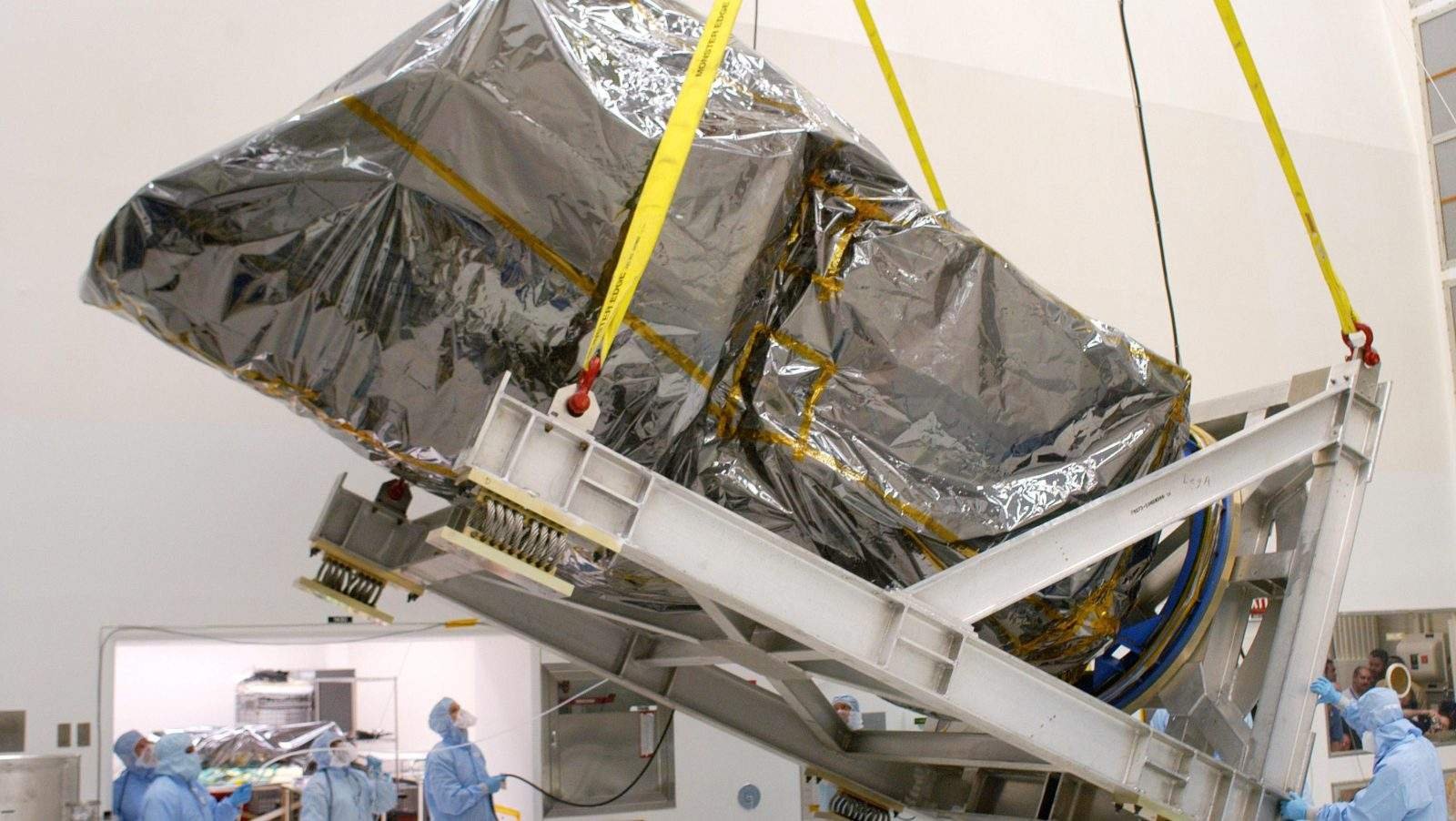
NASA’s Swift Observatory is on course for an uncontrolled reentry into Earth’s atmosphere, with the U.S. Space Force predicting the aging telescope will fall on or around Friday. The 1.5-ton spacecraft has been slowly losing altitude after a rescue mission failed to save it from orbital decay.
A Failed Rescue and a Falling Telescope
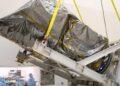
Intense solar activity over recent years dragged Swift lower than expected. NASA hired Katalyst Space a year ago to attempt an emergency rescue. However, the company’s three-armed robot, named Link, ran into trouble after launching in July. It got no closer than 7 to 9 miles (12 to 15 kilometers) from the telescope before the mission was abandoned. Link itself fell back to Earth in September.
Stay connected to every major update — subscribe and follow us on the PhoenixQ website and across our social media platforms.
After the rescue attempt ended, Swift briefly resumed scientific operations. It continued detecting gamma ray bursts and other high-energy events. By late October, though, the telescope had dropped too low to hold a stable position. NASA shut down its systems shortly after.
What Happens During Reentry
Most of Swift is expected to burn up as it passes through the atmosphere. However, NASA chief scientist Brad Cenko noted that some components may survive. Dense tungsten parts and certain mirror pieces could reach the surface. Any surviving debris will most likely land in the ocean. Meanwhile, parts of Africa, Australia, India, Southeast Asia, and Central and South America fall within the potential reentry zone. The Space Force continues to track the telescope’s descent.
Twenty-Two Years of Discovery
Swift launched on November 20, 2004, with a mission to detect gamma ray bursts and supernovas. Over 22 years, it catalogued more than 2,000 gamma ray bursts and 1,400 exploding stars. It also observed comets, asteroids, and black holes tearing apart nearby stars. Its defining ability was speed. Swift could pivot rapidly toward sudden cosmic events, which is how it earned its name.
NASA treated Swift as a first responder for larger observatories such as Hubble and Webb. When Swift detected an event, those telescopes would follow up with deeper observations. Scientists are now working to determine how to replace that capability.
John Nousek, an astronomer at Pennsylvania State University who led Swift’s control team, reflected on the telescope’s end. “We’ve known this day would come since before Swift was launched,” he said. “At least in low-Earth orbit, what goes up must come down. And that end is catastrophic.” Despite the loss, Nousek expressed hope for the future. “Our fervent hope is that the lessons learned by the successes of Swift can be applied to new generations of space missions to accelerate our discoveries about the universe,” he added.
The Swift team described a mix of grief and gratitude as the observatory nears its final hours. For more than two decades, the telescope transformed humanity’s understanding of the most violent events in the universe.