English









































With midterm debates intensifying across the United States, a number of Republican candidates in competitive races are working to separate themselves from President Donald Trump. Rising costs linked to the Iran war have become a central issue, and polls show that affordability and the cost of living are the top concerns for voters heading into November.
Candidates Break From Trump on Economic Concerns
Several GOP candidates in tight contests are carefully managing their distance from the president. The Iran war has driven up costs for many Americans. As a result, candidates in close races face growing pressure to address those economic anxieties directly.
Stay connected to every major update — subscribe and follow us on the PhoenixQ website and across our social media platforms.
Polls consistently show that voters rank affordability as their primary concern. The cost of living has emerged as a defining issue in this midterm cycle. For Republicans in competitive districts, that creates a difficult balancing act with a president who remains influential within the party.
NBC News correspondent Gabe Gutierrez reported on the trend for TODAY, noting that the dynamic is playing out visibly as candidates take the debate stage. Some Republicans are choosing their words carefully when asked about Trump and his administration’s handling of the conflict with Iran.
Debate Season Puts GOP Candidates in a Difficult Position
As debate season reaches its peak, the political tension inside the Republican Party is becoming harder to ignore. Candidates who rely on Trump’s base cannot afford to alienate his supporters. However, they also need to appeal to independent and moderate voters who are feeling the financial strain.
The Iran war has added an unexpected economic dimension to the midterm campaign. Rising prices tied to the conflict have sharpened voter frustration. That frustration is now shaping how candidates in both parties frame their closing arguments.
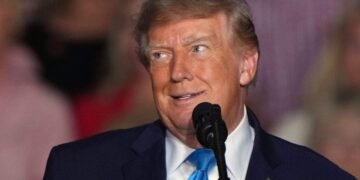
Meanwhile, Trump himself has remained active on the campaign trail. He has visited four states in five days as part of a final push before November. His rallies continue to draw large crowds, and he has appeared alongside Republican candidates in key states including Ohio.
Polls Signal Trouble in Key Demographics
New polling data adds further complexity to the Republican outlook. One survey shows Trump’s approval rating among Latino voters stands at just 27 percent. That figure could prove significant in several competitive districts where Latino turnout plays an important role.
Furthermore, broader approval trends suggest that the president’s standing with certain voter groups has weakened. For GOP candidates in close races, those numbers make the decision to distance from Trump a calculated political move rather than a personal one.
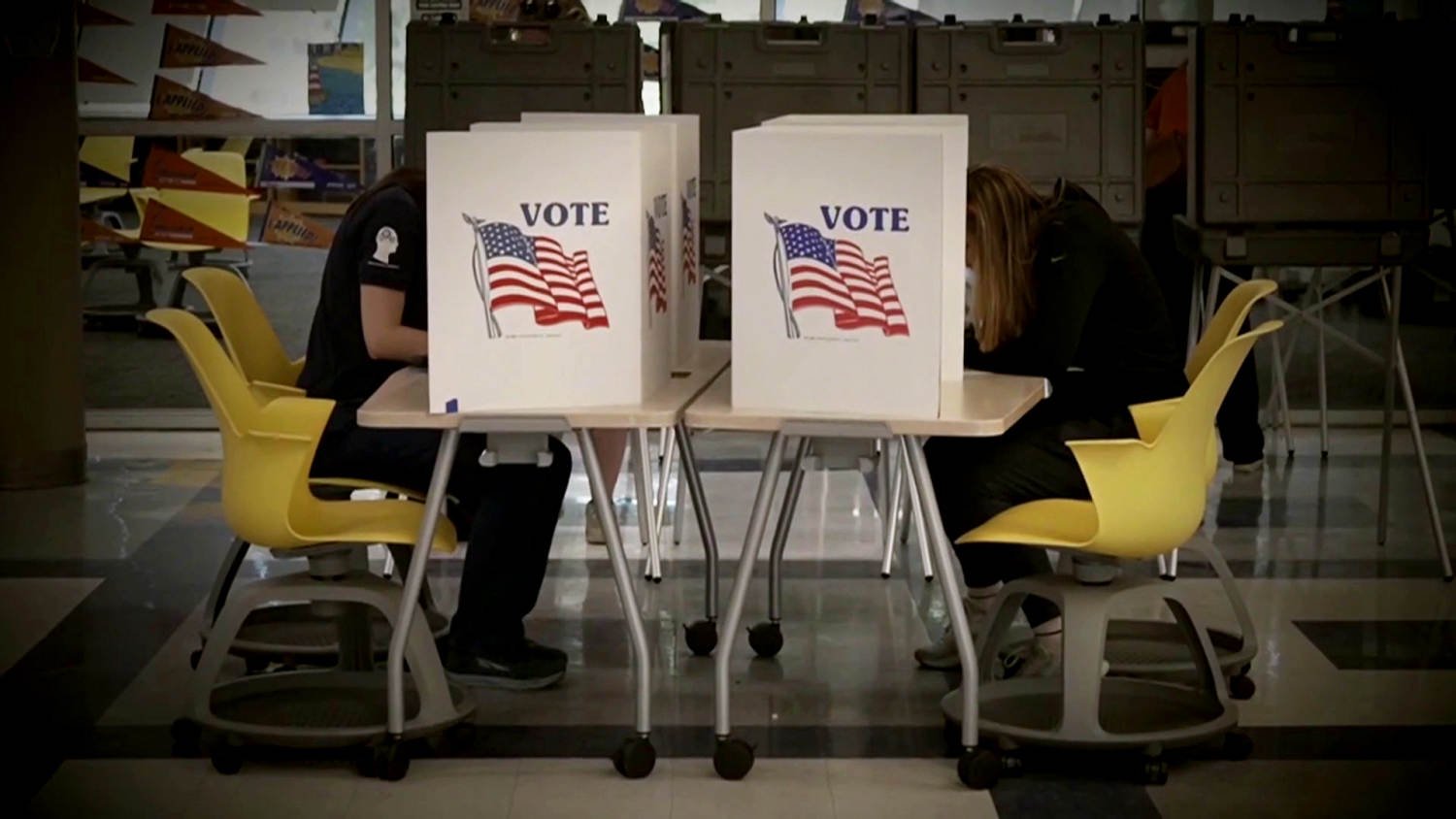
The coming weeks will determine whether that strategy pays off. Voters will head to the polls in November with economic concerns firmly at the top of their minds. Republican candidates are betting that a measured distance from Trump on cost-of-living issues will be enough to hold their seats.