English






























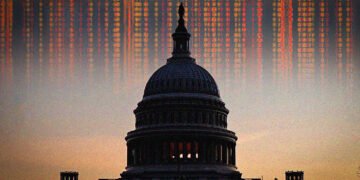



Artificial intelligence tools have made their way into the 2026 Winnipeg mayoral race, with some candidates using AI to produce campaign materials. However, many residents are expressing concern about the growing role of the technology in local politics.
Candidates Turn to AI for Campaign Materials
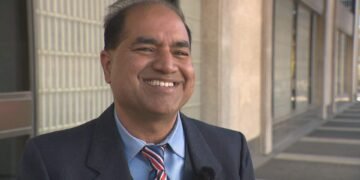
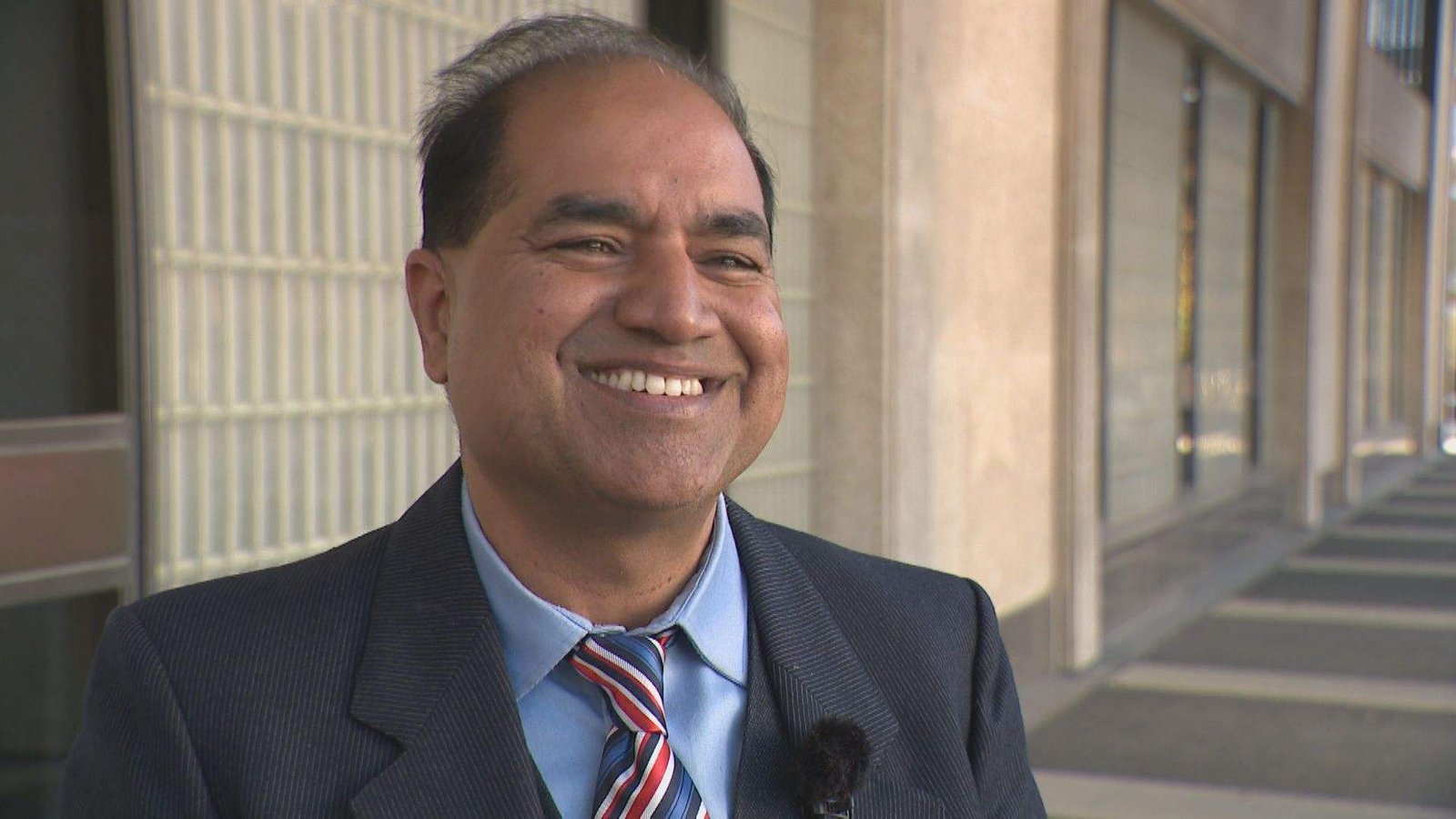
Two mayoral candidates, Umar Hayat and Mike Vogiatzakis, both confirmed to Global News that they use artificial intelligence to create posters and advertisements. Vogiatzakis was candid about his reasons for doing so.
Stay connected to every major update — subscribe and follow us on the PhoenixQ website and across our social media platforms.
“We’re a couple weeks away from the election, so I can’t wait two weeks for a graphic designer to send me something,” Vogiatzakis said. “We need to get it out now so people know what we’re all about. I use AI minimally. Should I be using AI? Probably not.”
His comments highlight a tension many smaller campaigns face. Speed and cost often push candidates toward tools that might otherwise raise ethical questions. The 2026 race marks a notable shift from the last Winnipeg municipal election, held in October 2022. That vote took place just one month before ChatGPT launched publicly, meaning AI campaign tools were essentially unavailable at the time.
Technology Analyst Warns of Democratic Risks
Technology analyst and journalist Carmi Levy acknowledged that AI holds real appeal for campaigns. He described the technology as a “dream come true” for some candidates because it speeds up tasks and costs very little.
However, Levy also raised serious concerns about the broader implications. He warned that AI tools can spread misinformation in ways that directly influence voters.
“It allows an untruth to dictate who people prefer and who they don’t, which to me is a real and direct threat to democracy,” Levy said. “It could mean that the wrong person is elected for the wrong reasons.”
Public Reaction Largely Negative
Many Winnipeg residents are not embracing the trend. According to Global News, public sentiment toward candidates using AI in their campaigns leans mostly negative. Voters appear uneasy about the authenticity of AI-generated political content.
The 2026 Winnipeg mayoral race therefore arrives at a crossroads. AI tools offer practical advantages for under-resourced campaigns. At the same time, their potential to mislead voters is drawing sharp criticism from both the public and technology experts. As election day approaches, the debate over AI in local politics shows no sign of fading.