English















































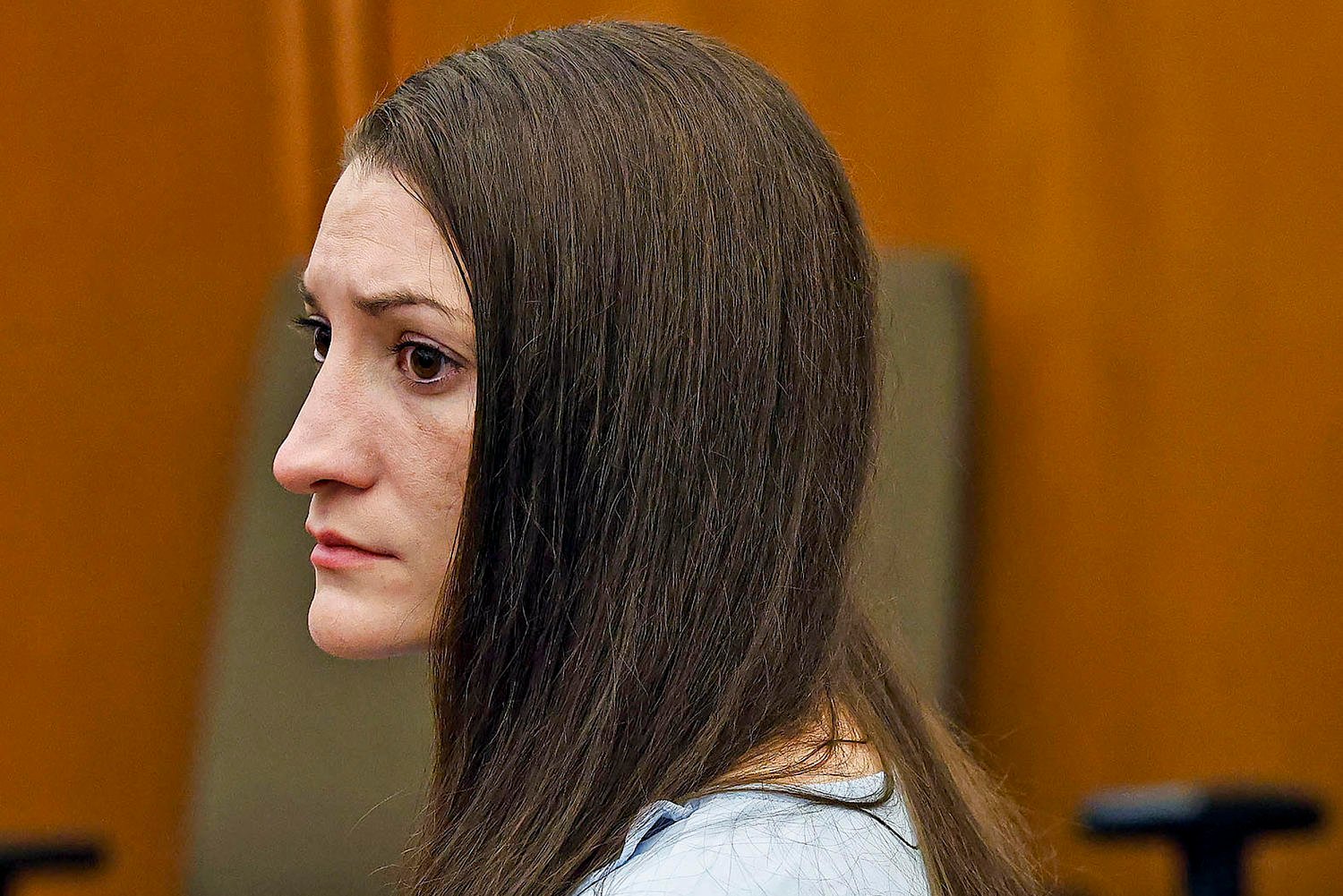
The murder trial of Lindsay Clancy moved closer to a potential mistrial on Friday as jurors entered their seventh day of deliberations at Plymouth Superior Court, with the jury having already signaled deadlock twice and a dispute over a single juror threatening to derail the proceedings entirely.
Defense Pushes for Open Court Proceedings
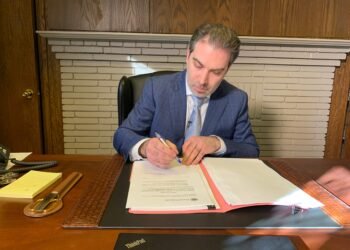
Clancy’s defense attorney, Kevin Reddington, filed a motion Friday asking Judge William Sullivan to conduct all remaining proceedings in open court, eliminating private sidebars for the rest of the trial. Reddington told reporters Thursday that he wants the public to know what is happening inside the courtroom.
Stay connected to every major update — subscribe and follow us on the PhoenixQ website and across our social media platforms.
The motion came after a contentious Thursday session in which Sullivan held a sidebar with attorneys that visibly agitated Reddington. Observers from NBC News in the courtroom reported that Reddington waved papers aggressively during the private discussion. He then wheeled Clancy over to join the conversation, as she appeared visibly upset during the exchange.
Juror Dispute Intensifies
At the center of Friday’s hearing was a dispute over one juror whom Reddington believes is obstructing deliberations. He argued that the juror has a personal issue preventing fair deliberation and called for that juror’s removal and replacement with an alternate. He went further, suggesting the juror had been dishonest under oath.
The prosecution took the opposite position. Prosecutors argued there was no evidence of bias, outside influence, or an inability to deliberate, and urged Sullivan to simply send the jury back to continue its work. Sullivan sided with the prosecution on this point, declining to remove the juror. He cautioned that dismissing a deliberating juror is a “sensitive undertaking, fraught with potential error.”
Reddington also pushed Sullivan to deliver a stronger instruction on the legal definition of reasonable doubt, criticizing Thursday’s reading as “soft.” Sullivan responded sharply. “What do you want me to do? Get a brass band?” the judge said, noting he had already addressed the issue the day before. “I’m not an actor. I’ve just given the instructions.”
Mistrial Risk Grows After Repeated Deadlock Notes
The jury submitted deadlock notes to Sullivan on both Tuesday and Wednesday of this week. In response, Sullivan issued the Tuey-Rodriguez instruction on Wednesday — a formal directive used in Massachusetts to encourage a deadlocked jury to continue deliberating. Under state law, a judge may only send a jury back for further deliberations twice before declaring a mistrial, unless the jurors themselves agree to continue.
If the jury submits a third deadlock note, Sullivan will almost certainly declare a mistrial. Thursday’s session also included Sullivan individually questioning each juror to confirm they could follow his instructions on reasonable doubt, after the jury submitted a note that appeared to relate to that standard. “They’ve said at this point that they can,” Sullivan told the court.
Reddington has told reporters he is prepared for a retrial as early as next week if the case ends in a hung jury, though he clarified he is not seeking that outcome. “Why would I want a mistrial? I kicked the s— out of their case,” he said after Thursday’s session. The prosecution has not indicated whether it would pursue a retrial if the current proceedings collapse.
What the Jury Must Decide
The jury of nine women and three men must determine whether Lindsay Clancy bears criminal responsibility for the deaths of her three children — Cora, 5; Dawson, 3; and Callan, 8 months. Prosecutors allege she strangled each child with exercise bands before jumping from a second-story window in a suicide attempt that left her paralyzed from the waist down.
Reddington has argued that Clancy acted under the influence of auditory hallucinations driven by postpartum psychosis, a condition he says she was experiencing at the time of the killings. Prosecutors counter that Clancy was not in psychosis, that she planned the deaths deliberately, and that she understood what she was doing. They are seeking a first-degree murder conviction, which carries a mandatory life sentence.
The jury may also consider lesser charges, including second-degree murder or manslaughter, or return a verdict of not guilty by reason of lack of criminal responsibility. As deliberations continue into a seventh day, the Lindsay Clancy trial remains unresolved, with the outcome increasingly uncertain.