English














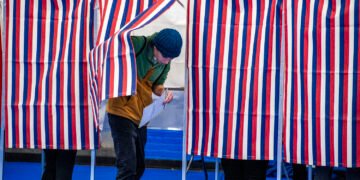


























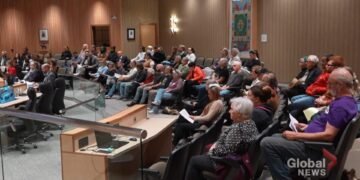




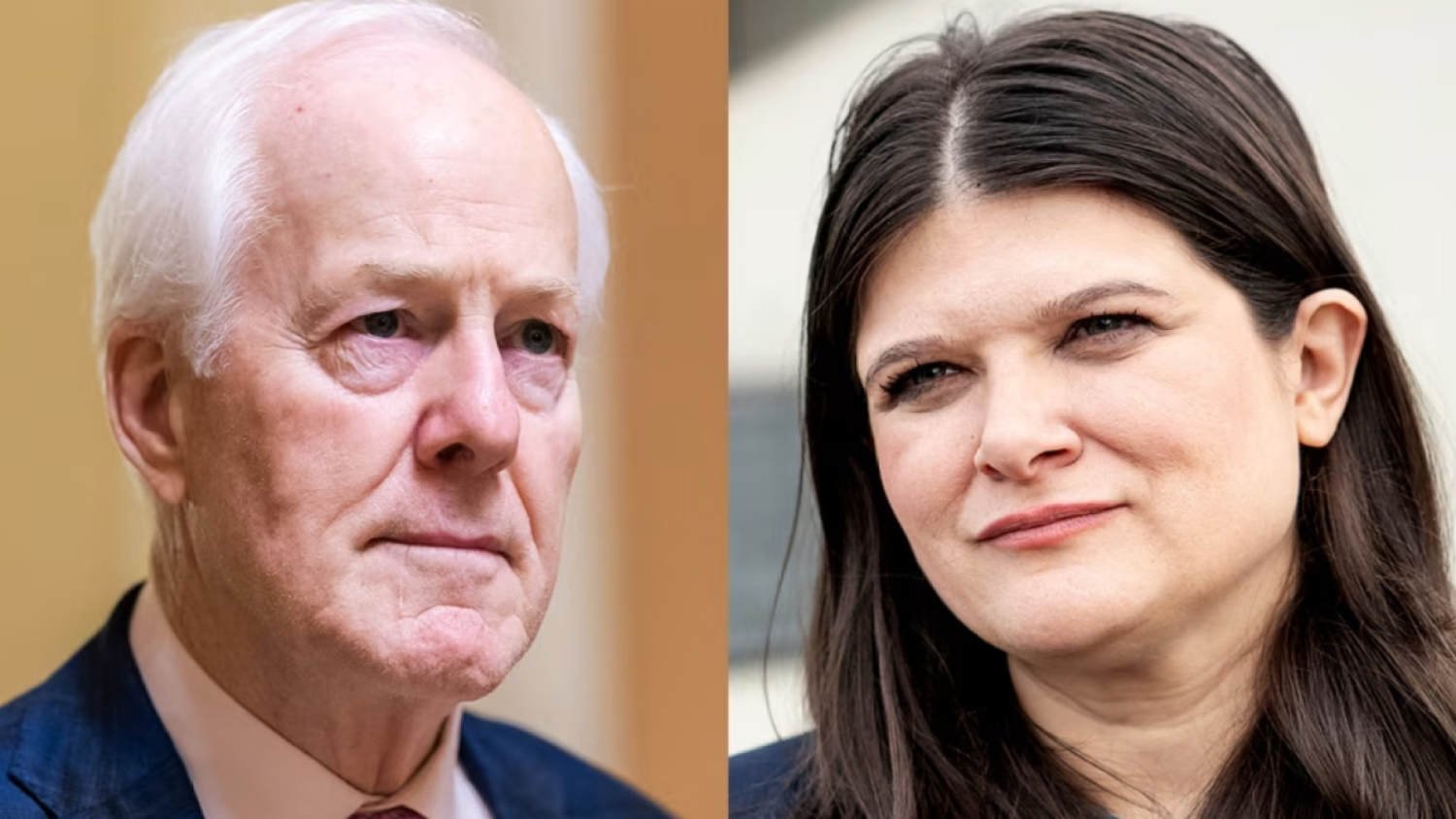
Voters in Michigan and Texas who supported candidates that lost in primary races are now weighing their options ahead of the general election. Syracuse University’s Margaret Talev spoke with these voters as part of a focus group study published on October 23, 2026.
Focus Groups Explore Voter Sentiment After Primary Defeats
The focus groups brought together supporters of losing primary candidates from both states. Researchers from Syracuse University, along with the firms Engagious and Sago, produced the sessions. NBC News observed the discussions.
Stay connected to every major update — subscribe and follow us on the PhoenixQ website and across our social media platforms.
The conversations aimed to understand how these voters plan to cast their ballots in the general election. After backing candidates who did not advance past the primary, many participants faced a difficult choice. Their preferred options were no longer on the table.
Focus groups like these offer a closer look at voter decision-making. They also reveal the emotional weight that comes with a candidate’s primary loss. For some participants, the path forward remained unclear.
Broader Election Landscape Shapes Voter Decisions
The focus group findings arrive during a busy and competitive election season. Across the country, several closely watched races are drawing national attention. Voters in multiple states are reassessing their priorities as the general election approaches.
Meanwhile, political analysts have noted shifts in several key contests. The Cook Political Report recently moved 11 House races toward Democrats. At the same time, some forecasters have adjusted their outlooks in other competitive districts.
In Ohio, the political environment has drawn particular scrutiny. A gubernatorial race and several House contests are generating significant media coverage. Candidates on both sides are working to consolidate support from voters whose primary choices did not succeed.
Voter Loyalty Tested Across Party Lines
The Michigan and Texas focus groups reflect a broader challenge facing both parties. When a preferred candidate loses a primary, their supporters do not always follow party lines in the general election. Some may stay home, while others may cross over.
Political researchers use focus groups to track these shifts in real time. The sessions produced by Syracuse University, Engagious and Sago provide structured insight into how voters reason through these decisions. Their findings can inform campaign strategies in the final weeks before an election.
As the general election draws closer, the choices made by these primary-loss voters could prove significant. In competitive states like Michigan and Texas, even small shifts in voter behavior can influence outcomes. Both parties will be watching these groups carefully in the weeks ahead.