English






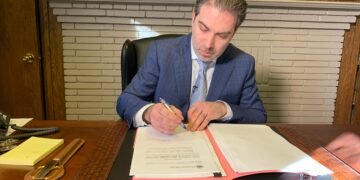






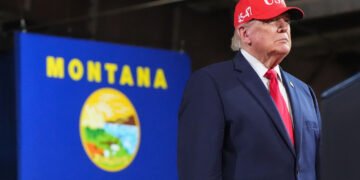














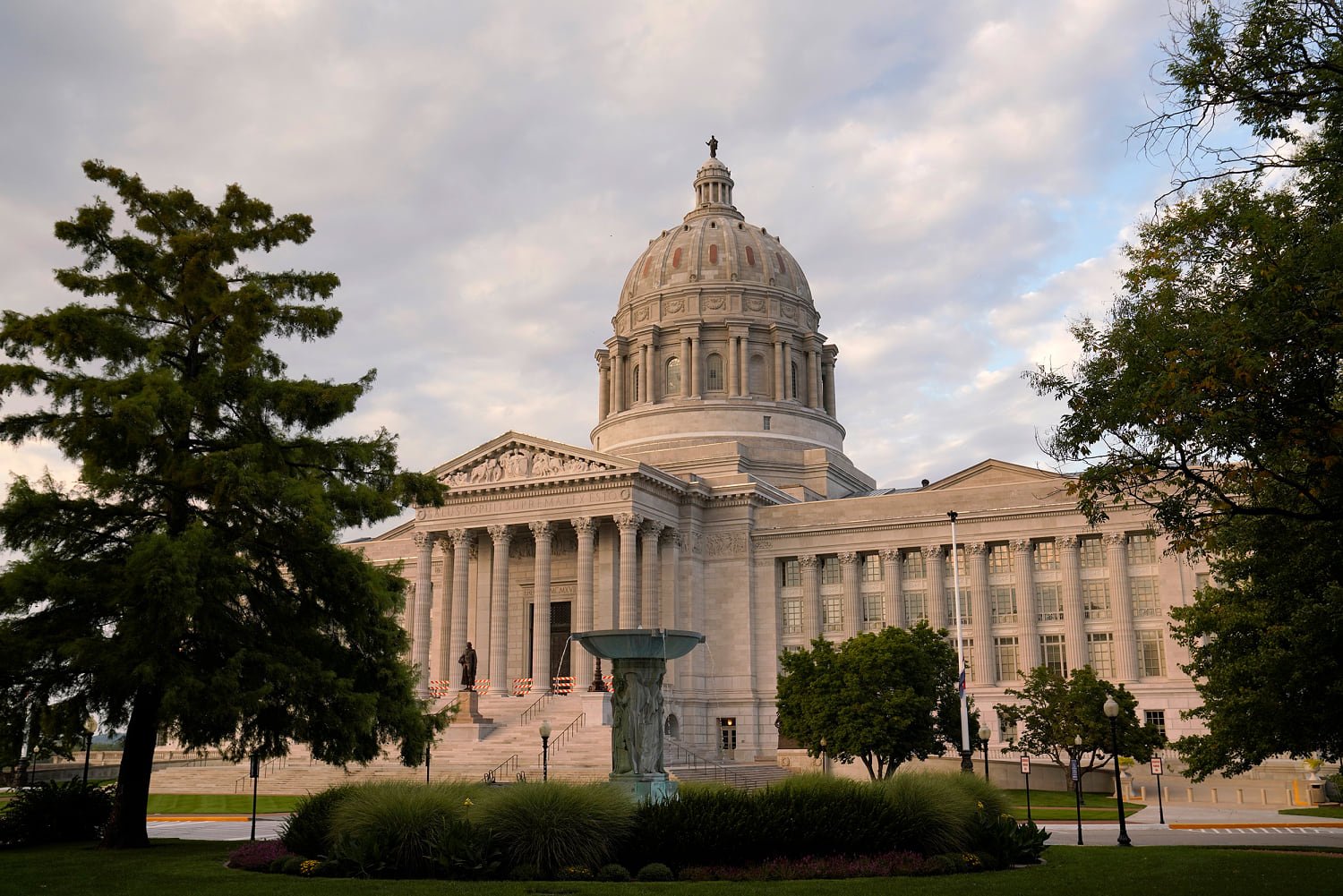
The U.S. Supreme Court has rejected a Republican bid to use Missouri’s newly redrawn congressional map in this year’s midterm elections. Justice Brett Kavanaugh issued the brief order on Tuesday, leaving in place a Missouri Supreme Court ruling that blocked the map while a voter referendum moves forward.
Kavanaugh handles emergency applications arising from Missouri. His decision means the 2022 congressional map will govern November’s general election. That map gives Republicans six seats and Democrats two seats in Missouri’s congressional delegation.
Stay connected to every major update — subscribe and follow us on the PhoenixQ website and across our social media platforms.
What the New Map Would Have Changed
Missouri Republicans drew the new map in 2025 as part of a broader redistricting wave following President Donald Trump’s return to office. The plan aimed to eliminate one of the state’s two Democratic-held congressional seats. That seat is currently held by Representative Emanuel Cleaver.
Although the Supreme Court blocked the new map for the general election, Missouri’s August primaries already took place under the redrawn boundaries. As a result, voters in November will use a different map than the one used during the primary.
Referendum Battle at the Center of the Dispute
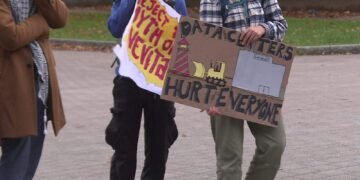
The legal fight began after the 2025 redistricting plan took effect. A group called People Not Politicians Missouri, led by Richard von Glahn, gathered enough signatures to trigger a state referendum. The referendum would have suspended the Legislature’s map and delayed it until after a public vote in 2026.
However, Missouri Secretary of State Denny Hoskins, a Republican, refused to place the measure on the ballot. He argued that redistricting plans cannot be overturned through the referendum process.
The Missouri Supreme Court disagreed. It ruled unanimously that state law contains no exemption for redistricting plans. The court found the referendum petition was “legal, sufficient and timely.” Under Missouri law, when a valid referendum petition targets a legislative act, that law is automatically suspended until voters decide the question.
The state court also found that Hoskins contributed to the confusion. He waited until the last moment before an August 4 deadline to reject the petition. The court noted he broke with the state’s standard practice of suspending laws that face valid referendum challenges once enough signatures are submitted.
Arguments Before the Supreme Court
Hoskins appealed to the U.S. Supreme Court. His legal team argued the Missouri Supreme Court’s ruling violated the U.S. Constitution’s elections clause. That clause, they said, grants state legislatures significant authority over elections. The U.S. Supreme Court rejected a nearly identical argument in a North Carolina redistricting case in 2023.
Hoskins’ lawyers also warned the justices that reverting to the old map would create serious disruption. They argued that hundreds of thousands of Missouri voters who participated in the primary under the new map would effectively see their votes rendered meaningless.
In contrast, lawyers for the referendum supporters pushed back sharply. They told the justices that Hoskins was seeking a “political victory to which he was never entitled under the Missouri Constitution.”
Broader Context
The Missouri case is not the first redistricting dispute to reach the Supreme Court this year. In May, the court rejected a similar effort by Virginia Democrats. They had sought to revive a congressional map approved by voters, but the Virginia Supreme Court found legal flaws in the referendum process that produced it.
The Missouri GOP’s congressional map dispute now returns attention to November, when voters will cast ballots under the older 2022 boundaries. The underlying referendum question over the new map remains unresolved and could still come before voters in 2026.