English








































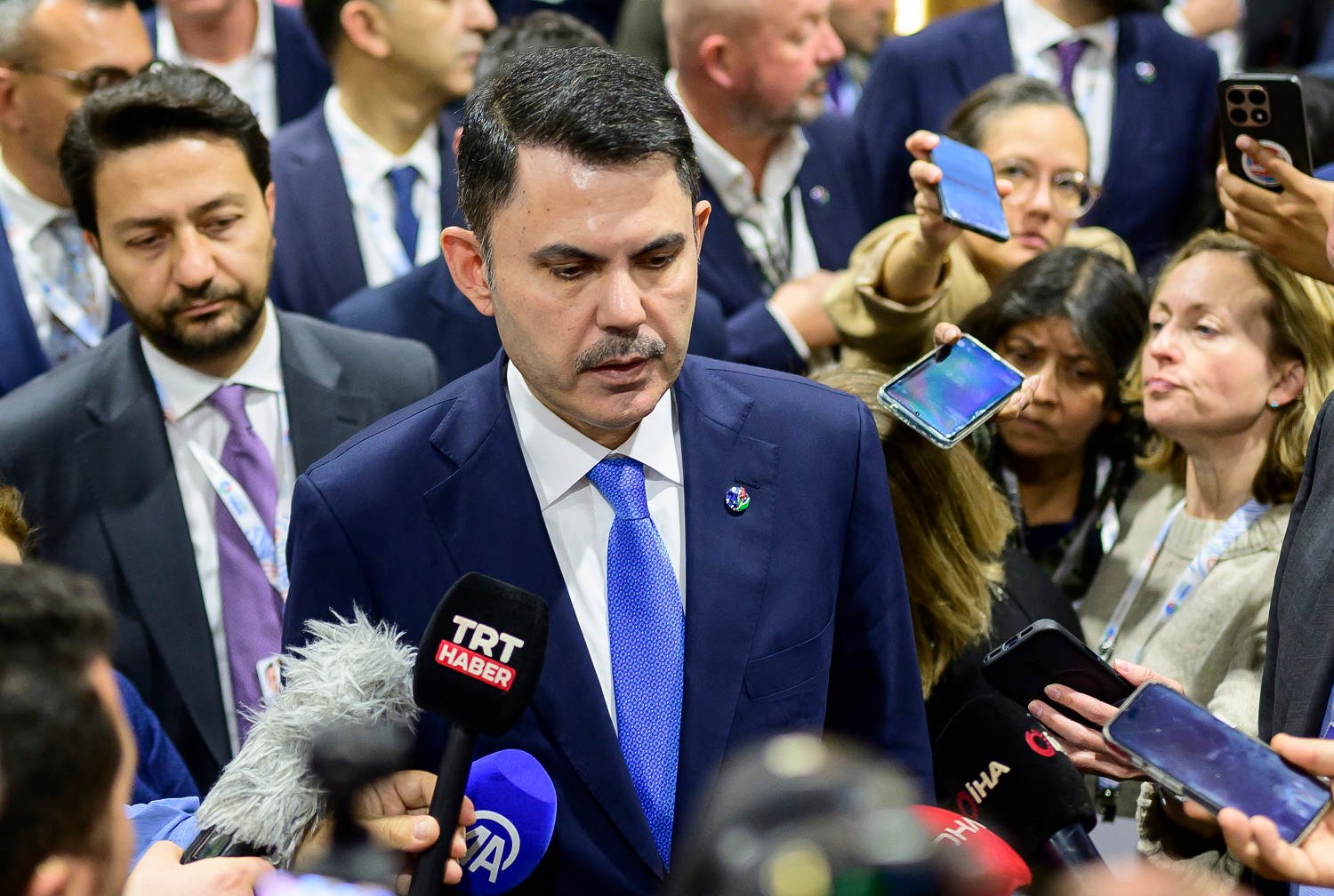
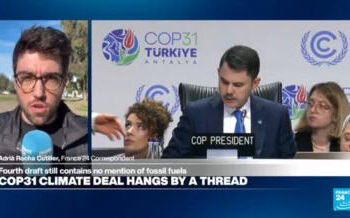
United Nations climate negotiations in Antalya, Turkey, collapsed on Sunday after the European Union and a coalition of other nations refused to accept a proposed agreement on global climate commitments. The breakdown centered on a bitter dispute over fossil fuels, marking one of the most significant failures in the history of COP climate talks.
Talks Collapse After Four Failed Drafts
Delegates from 196 countries and the EU gathered in the Mediterranean resort city of Antalya but could not reach consensus on new climate pledges or how to fulfill earlier promises. COP31 President Murat Kurum, Turkey’s environment minister, confirmed Sunday that no further draft agreement would be produced. The conference had already run two days past its official closing date of Friday.
Stay connected to every major update — subscribe and follow us on the PhoenixQ website and across our social media platforms.
“There is nothing to do, we did all that we could,” Kurum said. “We will not be carrying out work on a new text in an environment where there is no consensus.”
Chris Bowen, the COP31 president of negotiations and an Australian minister, told reporters that “unbridgeable red lines” had emerged during discussions. He described the geopolitical environment surrounding this summit as “the most complicated and fraught in living memory.” Issues that proved manageable at previous conferences, he said, became absolute deal-breakers this time.
Fossil Fuels at the Heart of the Dispute
The final 12-page draft, released Sunday, proposed measures to accelerate climate action. However, it drew immediate criticism because it contained no mention of fossil fuels. The EU and several other nations had demanded explicit language on moving away from coal, oil and gas.
Irish minister Darragh O’Brien, representing the EU in Antalya, rejected the deal outright. He called it “greenwashing” and said the bloc “strongly objects” to the text. “It is unconscionable that we would have a climate pact that makes no mention of fossil fuels,” O’Brien said.
Panama, the Marshall Islands and the United Kingdom also rejected the draft. UK spokesperson Kate Hughes described it as the “lowest common denominator.” Panama’s environment minister, Juan Carlos Navarro, went further, saying the world was “being held hostage by the petroleum mafia.”
Meanwhile, countries including Saudi Arabia, Russia and India pushed back against any fossil fuel references, citing economic concerns about phasing out energy sources central to their economies. The United States, one of the world’s largest greenhouse gas emitters, did not participate at all. The Trump administration had withdrawn from a series of international climate commitments before the summit began.
A Historic Low Point for Climate Diplomacy
The summit began on November 9. An early draft circulated a week later referenced fossil fuels six times. However, a second draft published Thursday removed all such references, angering many delegations. The final draft on Sunday still contained none.
The talks also became the longest in COP history, surpassing the delays seen at COP25 in Madrid. The last time COP talks fully collapsed was at COP6 in The Hague in 2000.
COP31 President Kurum now faces a choice between convening a follow-up meeting or deferring decisions to next year’s conference, which Ethiopia will host. The draft also acknowledged that the Paris Agreement target of limiting global warming to 1.5 degrees Celsius is likely to be missed, raising further alarm about the pace of international climate action.