English









































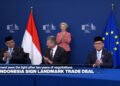
The European Union and Indonesia have finalized a landmark trade agreement, concluding negotiations that began more than a decade ago. The deal eliminates 98.5 percent of tariffs between the two economies, marking a significant step forward in their commercial relationship.
What the Deal Covers
For the EU, the agreement opens access to a market of 280 million people. It also secures a more stable supply of nickel, a critical material used in electric vehicle batteries. Both factors make Indonesia a strategically important partner for Europe.
Stay connected to every major update — subscribe and follow us on the PhoenixQ website and across our social media platforms.
Indonesia, meanwhile, gains easier access to European markets for key export products. Palm oil, textiles and footwear are among the sectors expected to benefit most. The timing is also significant. The deal arrives just before Indonesia’s existing EU trade preferences expire on January 1.
A Decade in the Making
Talks between the EU and Indonesia first began ten years ago. The length of the negotiations reflects the complexity of aligning trade rules between two very different economies. However, both sides ultimately reached an agreement that serves their core interests.
Airlangga Hartarto, Indonesia’s Coordinating Minister for Economic Affairs, spoke about the deal following its announcement. His comments highlighted the importance of the agreement for Indonesia’s export-driven economy. The deal also strengthens broader ties between Europe and Southeast Asia at a time of shifting global trade patterns.
Broader Significance
Indonesia is Southeast Asia’s largest economy. Therefore, this agreement carries weight beyond bilateral trade. It signals growing EU engagement with the region and reflects Europe’s interest in diversifying its supply chains for critical minerals.
For Indonesia, the deal provides long-term trade certainty. It replaces temporary preferences with a structured, permanent framework. As a result, Indonesian exporters can plan with greater confidence when accessing European markets. The agreement represents a mutual commitment to deeper economic cooperation in the years ahead.