English





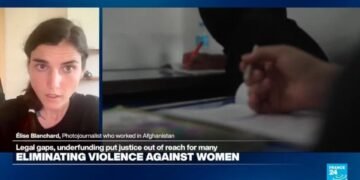





























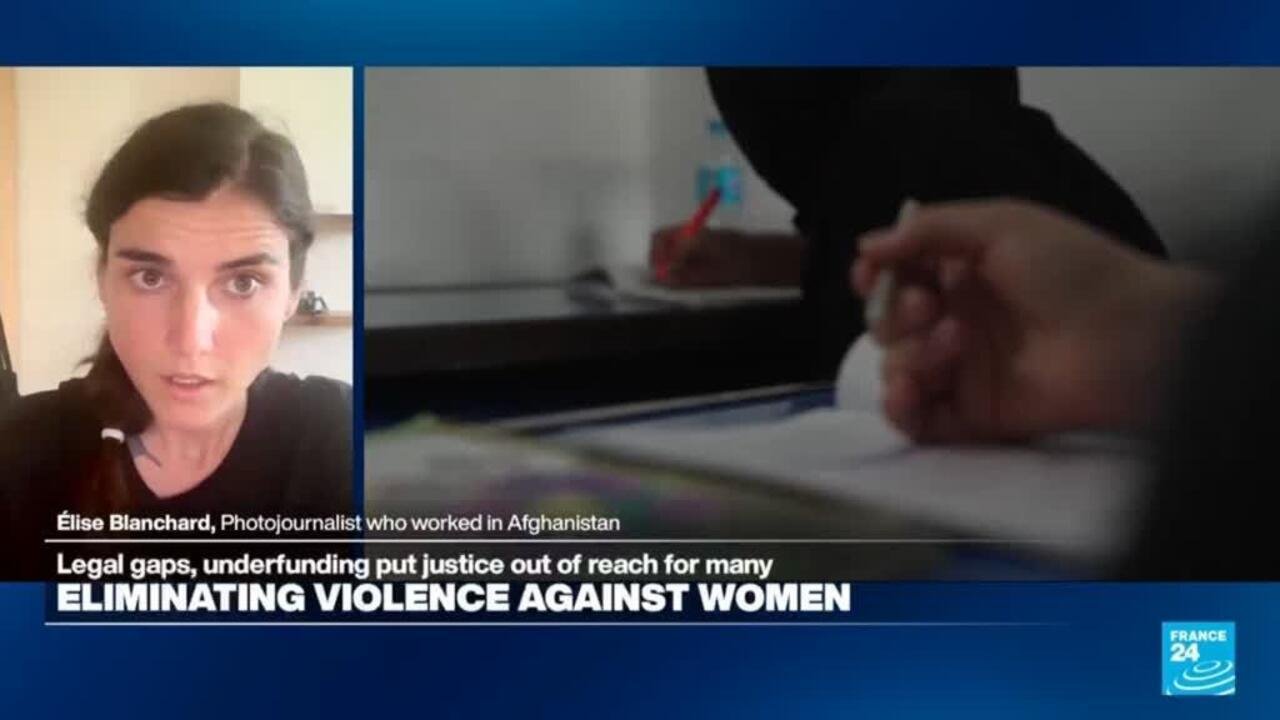
Afghan women are losing access to vital humanitarian aid as Taliban restrictions tighten across the country, according to photojournalist Élise Blanchard, who has spent seven years living and working in Afghanistan.
Blanchard shared her firsthand account on the International Day for the Elimination of Violence against Women, speaking with journalist Genie Godula. Her observations paint a detailed picture of daily life for Afghan women under Taliban rule.
Stay connected to every major update — subscribe and follow us on the PhoenixQ website and across our social media platforms.
Restrictions Vary Across Afghanistan
Blanchard explains that Taliban enforcement is not uniform across Afghanistan. The level of restriction women face depends heavily on where they live, their family circumstances, and how local authorities apply Taliban decrees. Women in some areas experience harsher conditions than those in others.
Despite these regional differences, the broader pattern remains deeply concerning. Women throughout the country face significant limitations on their freedom, movement, and access to basic services.
Aid Cuts Threaten Healthcare and Education
Blanchard stresses that maintaining access to healthcare, primary education, and food is critical for Afghan women and girls. However, she points to severe cuts in humanitarian assistance as a growing threat to these basic needs.
Both the United States and the European Union have significantly reduced their humanitarian funding for Afghanistan. As a result, aid organizations operating in the country are struggling to sustain essential programs. The consequences for vulnerable women and children are severe.
Furthermore, Taliban restrictions have made it increasingly difficult for aid workers to reach women directly. In many cases, female aid workers face barriers that prevent them from doing their jobs effectively.
A Ground-Level View of Afghan Women’s Lives
Blanchard’s seven years in Afghanistan give her account a depth that few outside observers can offer. She describes a population of women navigating an increasingly restricted environment while trying to maintain some degree of normal life.
Her testimony highlights the gap between international policy decisions and the real-world impact on Afghan women. Aid reductions made in distant capitals translate directly into hardship on the ground.
The International Day for the Elimination of Violence against Women served as a timely backdrop for Blanchard’s account. Her message is clear: without sustained international support, Afghan women lose access to the services they need most. The international community, she suggests, must not allow funding cuts to erase years of humanitarian progress in the country.