English



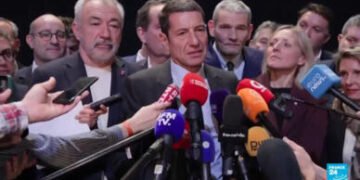
































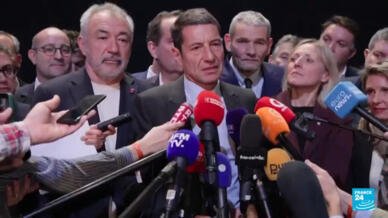
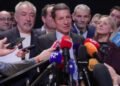
David Lisnard, the mayor of Cannes and head of France’s Association of Mayors, has emerged as a serious contender in the country’s 2027 presidential race. Once barely known outside local politics, Lisnard now polls at 11 percent, according to a November 23 survey by Toluna Harris Interactive. That figure places him ahead of former Prime Minister Édouard Philippe and level with Socialist frontrunner Raphaël Glucksmann.
From Local Mayor to National Contender
Lisnard was born in Limoges in 1969. He entered politics through Cannes’ municipal council in 2001 and became the city’s mayor in 2014 with the backing of former President Nicolas Sarkozy. He has led the Association of Mayors (AMF) since 2021, representing approximately 34,000 French municipalities. His reelection as AMF head on November 25, 2026, gave him a prominent national platform.
Stay connected to every major update — subscribe and follow us on the PhoenixQ website and across our social media platforms.
His presidential campaign took shape through a deliberate digital strategy. He enlisted political consultant Frank Tapiro, who previously worked on Sarkozy’s successful 2007 campaign. A hashtag campaign, #IlSePasseQuelqueChose (“Something is happening”), gained traction online. Meanwhile, his newly formed party, Nouvelle Énergie (New Energy), attracted nearly 150,000 members.
A Pro-Market, Anti-Bureaucracy Platform
Lisnard’s platform sharply breaks from President Emmanuel Macron’s centrist economic approach. He argues that France is overregulated, overtaxed and burdened by a state that promises too much. At his party’s April policy launch, he fed printed copies of France’s labour, environmental and urban regulations into a shredder to dramatise his anti-bureaucracy message.
His spending proposals are ambitious. He plans to cut public expenditure by €200–€300 billion over a five-year presidential term, including €80 billion in the first year alone. To achieve this, he intends to shrink the civil service, eliminate 400,000–500,000 public sector jobs through attrition and cuts, and place all teachers on fixed-term contracts. He also advocates greater local autonomy and decentralisation of municipal finances.
Lisnard has openly admired Argentine President Javier Milei, whose 2023 campaign used a chainsaw as a symbol of state cuts. However, Lisnard distances himself from the nationalist protectionism of Marine Le Pen’s National Rally party, favouring economic liberalism over populist trade barriers.
Controversy and Criticism
On immigration, however, Lisnard moves closer to the far right. His party seeks to abolish State Medical Assistance for undocumented migrants and restrict foreign nationals’ access to non-contributory social benefits. His refusal to say whether he would back Le Pen or Philippe in a hypothetical runoff has drawn sharp criticism. LR politician Jean-François Copé said on BFMTV on November 1 that Lisnard’s praise for far-right figure Éric Ciotti amounted to courting Le Pen herself.
Lisnard has also faced backlash over remarks about the October 17, 1961, massacre of Algerian demonstrators by Parisian police. During a televised debate, he said: “I don’t care. I couldn’t give a damn; I wasn’t even born.” The comment drew widespread condemnation. Nevertheless, his blunt style has boosted his visibility. A September 15 Facebook video criticising what he called socialist political rhetoric has since accumulated nearly two million views.
France’s crowded right-of-centre field, combined with Macron’s constitutional inability to seek a third consecutive term, has created space for Lisnard’s rise. Whether he can convert online momentum into lasting political support remains to be seen.