English













































Amnesty International has called on the International Criminal Court to investigate possible genocide by Israeli officials in Gaza, citing evidence that Israeli actions have severely damaged women’s reproductive health and prevented births since the war began in October 2023.
Report Warns of Reproductive Health Crisis
The human rights organization published its findings on Wednesday, coinciding with the International Day for the Elimination of Violence against Women. The report documents the devastating impact of the conflict on women’s physical, mental and reproductive health in Gaza.
Stay connected to every major update — subscribe and follow us on the PhoenixQ website and across our social media platforms.
Amnesty International Secretary General Agnès Callamard said at a press conference that Israeli actions had blocked access to fertility treatment and contributed to pregnancy complications, including miscarriage and stillbirth, from October 2023 through October 2026. The report raises “serious concerns that this outcome was intentional,” though Amnesty acknowledged it could not conclude this categorically.
Callamard urged the ICC to “consider the commission of genocide by Israeli officials since October 2023” and to include gender-based crimes and reproductive harms in its investigation. Under Article II of the UN Convention on the Prevention and Punishment of the Crime of Genocide, measures intended to prevent births within a group can constitute genocide when carried out with intent to destroy that group.
Medical Shortages and Attacks on Maternity Care
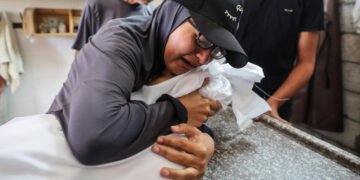
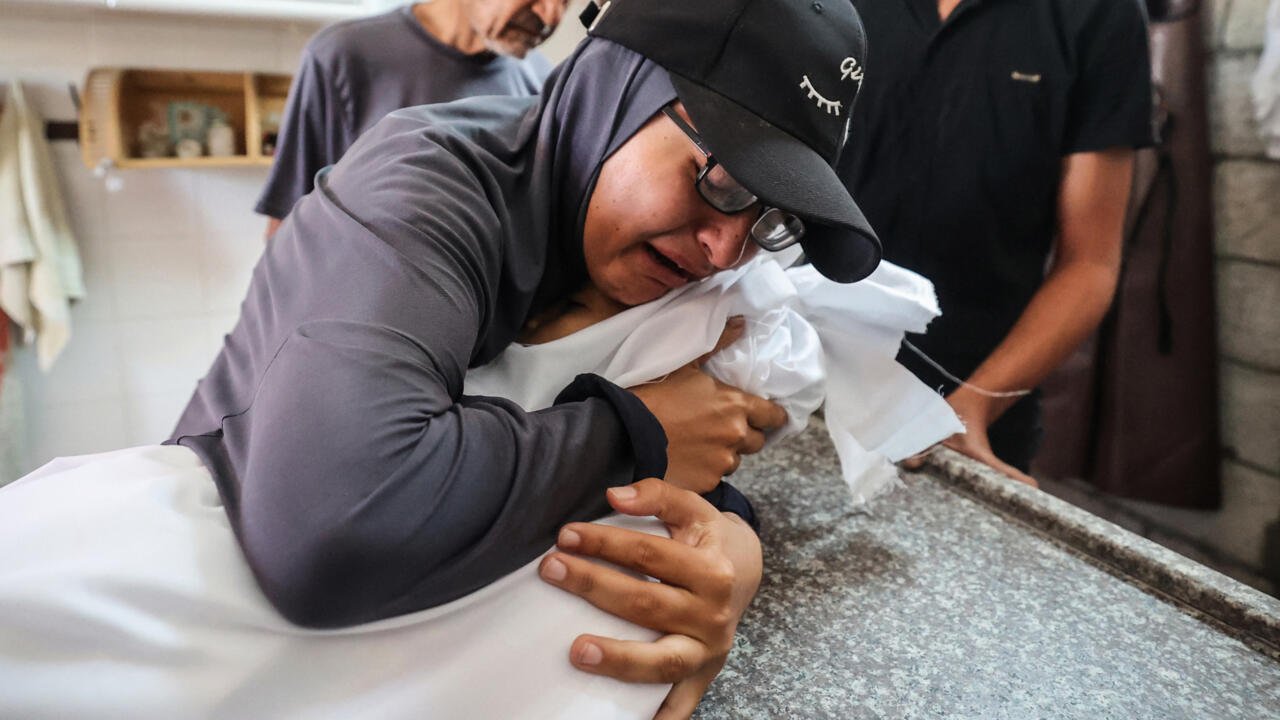
The report details cases of women and girls killed or injured while seeking medical care or while in maternity wards. Many women experienced pregnancy or cared for newborns while injured and under sustained bombardment.
Shortages of medical equipment have also compromised pregnancy monitoring, obstetric care and postnatal services. In addition, a lack of anaesthetics and medicines used to control bleeding during childbirth has sometimes proved fatal. Amnesty attributed these shortages to Israeli restrictions on humanitarian aid, which it said contributed to rising maternal and neonatal mortality.
Among the 228 interviews conducted for the report, two paramedics described separate incidents in early 2026 near the Yellow Line demarcating the area under Israeli control. In both cases, a woman in labor and the ambulance sent to assist her came under fire. The report also cites the death of a 20-day-old infant in 2025 from an infection contracted after sharing an incubator with another sick baby.
Fertility Services Destroyed
Before the war, Gaza had at least nine clinics offering in vitro fertilisation. However, none currently provide these treatments. Amnesty reported that thousands of stored embryos, sperm and eggs were destroyed during the conflict.
Gaza’s health ministry recorded a roughly 41 percent drop in live births during the first half of 2025 compared with 2022. The UN also recorded a decline in deliveries in the first half of 2026 compared with the same period the previous year. More than 74,000 Palestinians have been killed since the war began, according to the health ministry, whose figures the UN considers reliable.
Israel’s COGAT, the defence ministry body overseeing civilian affairs in Palestinian territories, rejected Amnesty’s findings. It accused the organization of “echoing Hamas’s false narratives” and said more than 27,000 tonnes of medical supplies had entered Gaza since a US-brokered ceasefire began in October 2025, with 35 hospitals now operational, including women’s health and fertility facilities.