English



















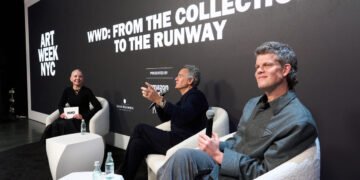








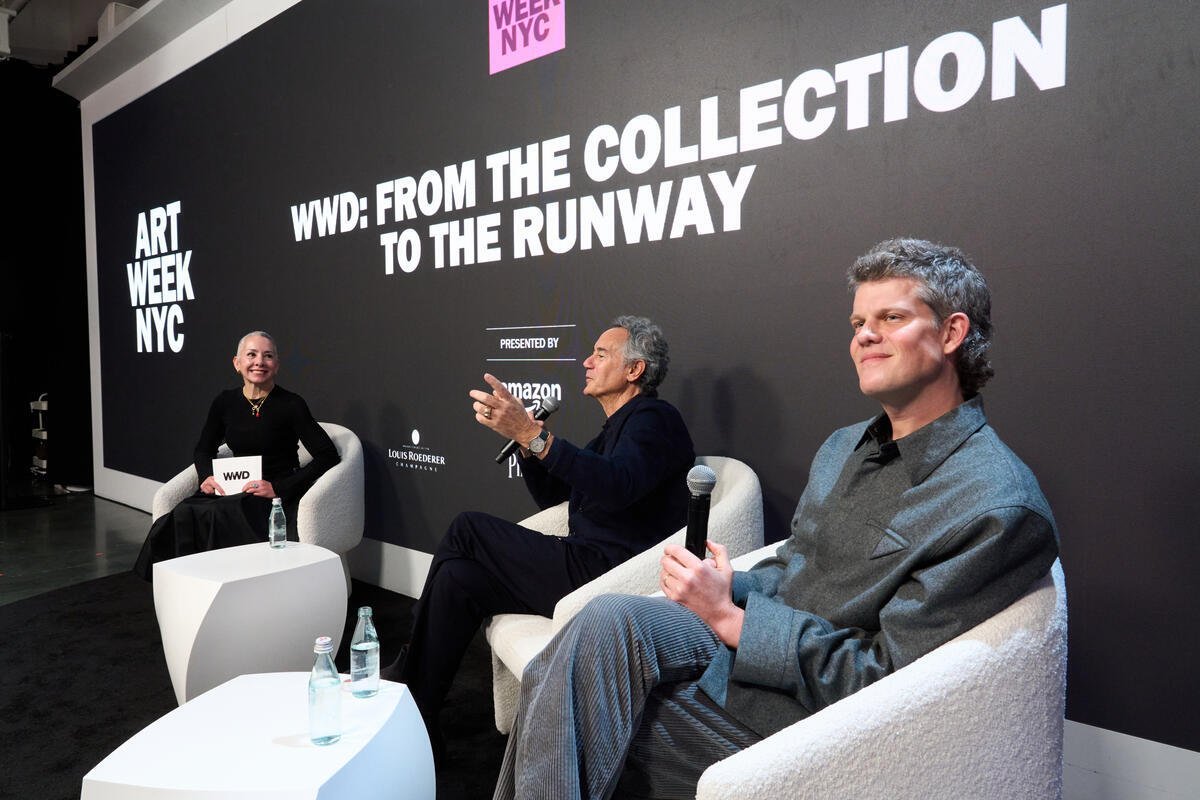
The art world has made meaningful progress in expanding its historical canon over the past several years, but experts warn that momentum may already be slowing. During Art Week NYC, held earlier this month, ARTnews brought together art historian and curator Joseph L. Underwood and Art in America deputy editor Emily Watlington to assess the decade so far. Both agreed that genuine gains have been made, though neither was certain those gains would last.
A Decade of Disruption and Discovery
The 2020s have been a turbulent period by almost any measure. The Covid pandemic shut down much of the world in early 2020. What followed included wars in Ukraine, Gaza, and Sudan, two Trump administrations, widespread culture wars, and significant economic upheaval that reached the art world as well.
Stay connected to every major update — subscribe and follow us on the PhoenixQ website and across our social media platforms.
Despite that turbulence, some positive shifts have emerged. Watlington pointed specifically to the recovery of overlooked artists and figures who had long deserved wider recognition. “We’ve recovered a lot of individual figures that have totally deserved a spotlight,” she said. “I’m looking forward to how we can now use that research and rediscovery to tell different stories about art history.”
Canon Expansion: Progress With Limits
Underwood noted that efforts to broaden the art historical canon were already underway before 2020. He pointed to scholarship such as Chika Okeke-Agulu’s influential 2015 book on Nigerian modernism as an early example. However, he argued that deeper connections between individual rediscoveries have been slow to form.
“There have been articles and books about single artists, but there hasn’t been that kind of interconnectivity,” Underwood said. “That’s what was starting, and there is still some of it in art history. But museums and the market have cooled on it.”
He also pointed to recent Venice Biennale editions as a telling indicator of shifting priorities. The 2022 edition, curated by Cecilia Alemani, featured many female Surrealists. The 2024 edition, organized by Adriano Pedrosa, offered a global view of modernism. In contrast, the 2026 edition, curated by Koyo Kouoh, included fewer overlooked or under-recognized artists. “That cooled off in 2026,” Underwood said.
Can Institutions Keep Pace?
The central question raised during the discussion was whether museums and institutions can sustain the progress made in recent years. Both speakers expressed cautious concern. Watlington summed up the decade with a pointed observation. “It’s certainly been a decade of two steps forward, one step back,” she said, before adding with dry humor: “Change the number of steps.”
The conversation reflected a broader tension in the art world. Scholars and curators have pushed hard to surface marginalized voices and rewrite narrow historical narratives. Meanwhile, major institutions and market forces have not always followed at the same pace. Whether the canon expansion of recent years becomes a lasting shift or a temporary trend remains an open question for the years ahead.