English















































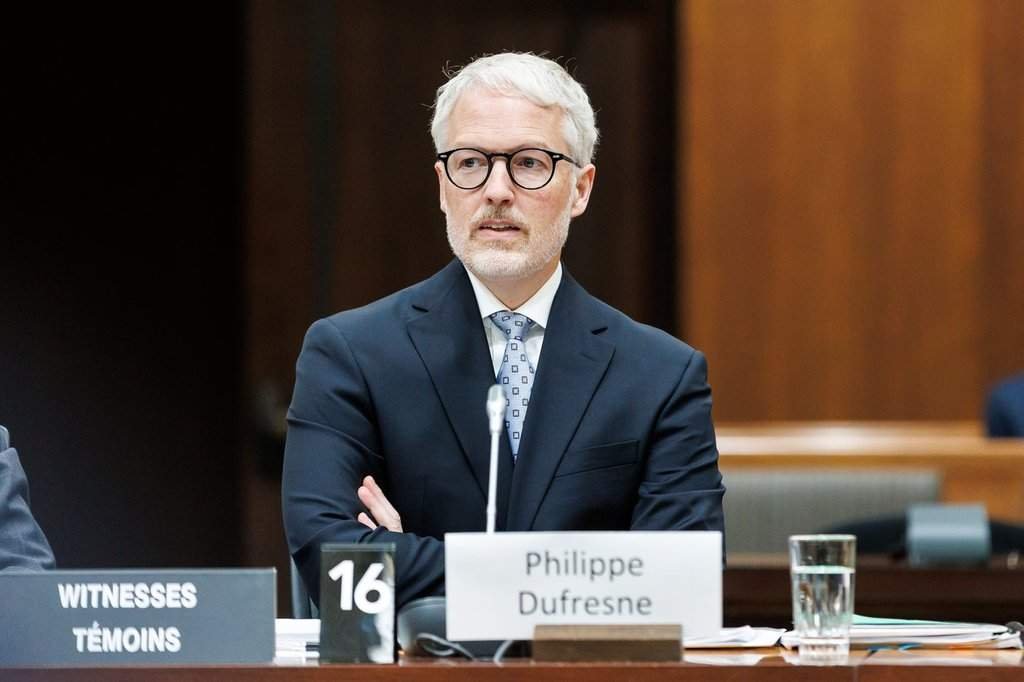
Canada’s Privacy Commissioner Philippe Dufresne is calling for clear consumer alerts when businesses use surveillance pricing to set personalized prices based on individual data. Dufresne made the announcement before a parliamentary committee on Monday, stating that his office will develop formal guidance on how current Canadian privacy law applies to the practice.
Consumers Deserve to Know What They Pay and Why
Dufresne emphasized that meaningful consent is already a requirement under existing privacy law. He said the guidance will define what that means in the context of surveillance pricing. “We want Canadians to know what’s happening, why they’re getting the prices,” he told the committee.
Stay connected to every major update — subscribe and follow us on the PhoenixQ website and across our social media platforms.
He drew a clear distinction between price changes driven by market conditions and those driven by personal data. For example, prices rising during a large conference in town differ significantly from charging a sick person more for medication because of their health status. Furthermore, Dufresne stressed that even consumers receiving a discount through surveillance pricing deserve to know about it.
Consultation and Formal Guidance Coming Soon
The Privacy Commissioner’s office plans to launch a stakeholder and expert consultation within the coming weeks. As a result, the office aims to release formal guidance within the coming months. That guidance will clarify how privacy law applies and outline key expectations to protect Canadians in this area.
Dufresne noted that his office has not yet received any complaints about surveillance pricing. He also expressed hope that the practice is not widespread in Canada. However, he acknowledged that many people may have little awareness that their personal data influences the prices they see. This lack of awareness, he said, limits their ability to recognize or challenge unequal treatment.
Parliamentary Committee Examines AI-Driven Pricing
The House of Commons ethics committee is currently studying the use of artificial intelligence in algorithmic pricing, also known as surveillance pricing. Last week, the committee heard that surveillance pricing operates as a black box for consumers. Customers are not told when they are seeing a price that other shoppers do not see, nor are they told why.
Dufresne also warned that surveillance pricing raises significant privacy risks. In addition, he said the practice could negatively affect vulnerable groups who may be least equipped to push back against differential treatment.
Meanwhile, NDP MP Jenny Kwan moved to introduce a private member’s bill on Monday that would ban surveillance pricing outright. The bill adds a legislative dimension to what is already becoming a broader political and regulatory debate in Canada over how businesses collect and use personal data to set prices.