English
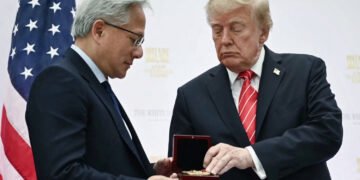


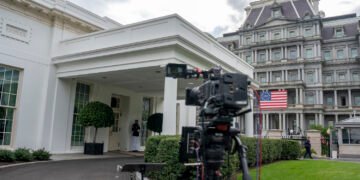



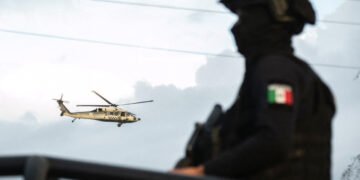



























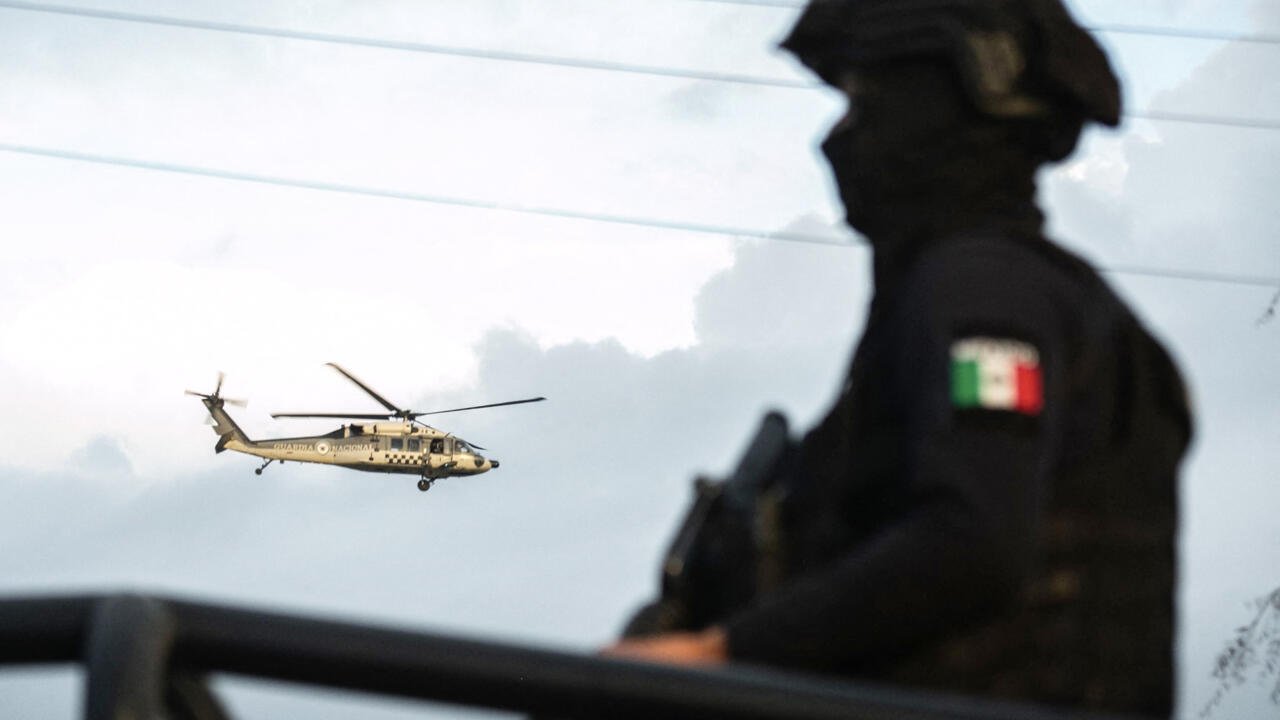
A United States surveillance drone flew over Mexican territory last weekend to help locate and capture one of Mexico’s most wanted drug traffickers, Mexican security officials confirmed on Monday. The operation led to the arrest of Fausto Isidro Meza Flores, widely known as “El Chapo Isidro,” in the northern state of Sinaloa.
Intelligence Cooperation Behind the Arrest
Defense Secretary General Ricardo Trevilla Trejo said the capture resulted from three months of intelligence sharing with U.S. authorities. That cooperation helped pinpoint Meza Flores’ location in the city of Guasave. In the days before the arrest, Mexico authorized U.S. drones to fly over its territory to support the operation.
Stay connected to every major update — subscribe and follow us on the PhoenixQ website and across our social media platforms.
Trevilla Trejo confirmed that Mexican forces arrested Meza Flores along with 16 members of his criminal group. Officials stressed that the intelligence mission complied fully with Mexican law. The U.S. government acknowledged its role in supporting the operation but did not provide further details about the drone’s use.
Mexico Defends Its Sovereignty
President Claudia Sheinbaum emphasized on Monday that U.S. forces did not operate on the ground in Mexico. She said the two governments shared intelligence only. “This case in particular demonstrates the capacity of the armed forces” of Mexico to make major detentions, Sheinbaum said.
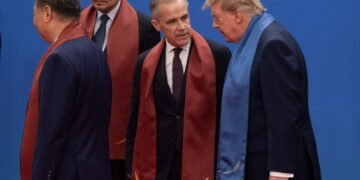
U.S. involvement in Mexican security operations has long been a sensitive issue. President Donald Trump has pressured Sheinbaum to take stronger action against cartels. However, Mexico has consistently defended its sovereignty in response to those demands.
Violence Erupts After the Capture
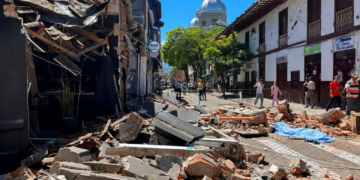
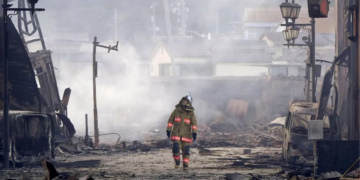
The arrest triggered a wave of violence in Guasave. At least 20 people died in clashes that followed, including four soldiers and 16 suspected criminals, officials said. The unrest highlighted the volatile security situation in Sinaloa, where rival cartel factions are engaged in an ongoing territorial war.
Meza Flores led the Beltran Leyva organization before forming his own group, the Meza Flores Transnational Criminal Organization. He also served as a key ally of a Sinaloa Cartel faction known as “Los Mayos.” The FBI listed him among its most wanted fugitives. U.S. authorities also hold an existing extradition request against him for drug trafficking, leaving open the possibility he could face trial in the United States.
Broader Strategy and Its Risks
His arrest is the latest in a series of targeted operations against cartel leaders. The largest earlier this year was the February killing of Jalisco New Generation Cartel leader Nemesio Oseguera Cervantes, known as “El Mencho.”
However, many experts warn that targeting individual leaders without dismantling the broader criminal structure can backfire. In previous anti-cartel campaigns across Mexico and Latin America, removing kingpins often triggered bloody power struggles between rival factions. That pattern has already played out in Sinaloa in recent years, raising questions about the long-term effectiveness of the current strategy.