English










































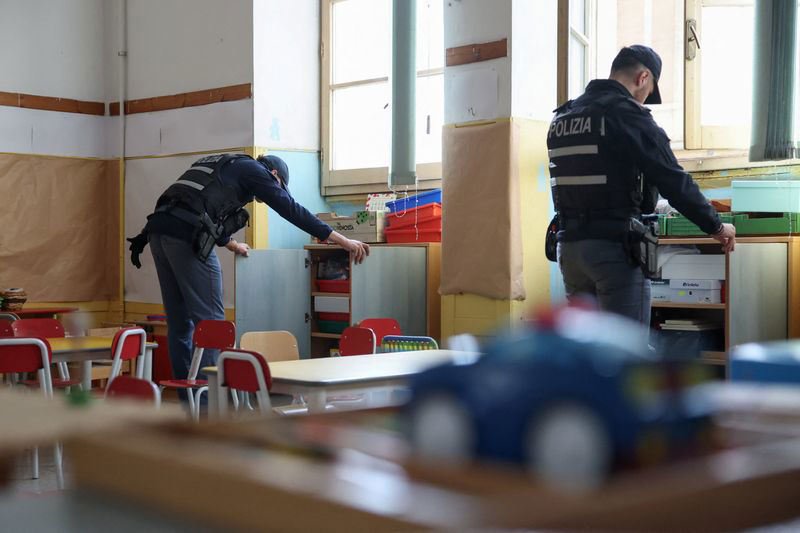
More than 300 schools across Italy were evacuated on Wednesday after receiving bomb threat messages, the Italian government confirmed. Schools in Northern Ireland also received threatening emails on the same day, adding to a growing wave of disruptions hitting institutions across Europe.
Schools Evacuated Across Italy
Italian Education Minister Giuseppe Valditara told La7 TV channel that authorities believed the alerts were hoaxes. He also warned that the number of affected schools was likely to rise. One school in Rome notified parents through a messaging app, stating that all students had moved to a safe area and remained under staff supervision.
Stay connected to every major update — subscribe and follow us on the PhoenixQ website and across our social media platforms.
The email sent to Italian schools carried the signature “Mikhail Andropov, leader of the Vilayat of Misoginistan,” according to a copy reviewed by Reuters. The same name appeared on bomb threat emails sent the previous Friday to newsrooms in Ireland and Bulgaria.
Northern Ireland Schools Also Targeted
The Northern Ireland Education Authority confirmed that a large number of schools in the region also received a threatening email. However, authorities advised schools to remain open. Police did not consider the threat credible.
Italian Defence Minister Guido Crosetto described the threats as part of a deliberate strategy. “This is part of a strategy that is quite clear by now: to spread fear and create anxiety,” he said, according to Adnkronos news agency. He also noted that not every threat comes from foreign states. “There are also attention-seekers and lunatics who cannot wait to unleash terror in a city or a region,” he added. Italian police confirmed they are investigating the incidents.
Broader Pattern of Disruption Across Europe
Wednesday’s school threats are the latest in a series of attacks and disruptions affecting multiple European countries. Targets have included supermarkets, blood banks, air traffic systems and television broadcasters.
Earlier this week, France summoned Iran’s ambassador after accusing Tehran of a cyberattack that disabled refrigerators in hundreds of French supermarkets. Iran’s foreign ministry rejected the accusations as “baseless and hostile,” denying that its Revolutionary Guards played any role.
Meanwhile, European officials have raised concerns that hoax threats and cyberattacks may form part of a coordinated “hybrid” disruption campaign. Many officials have pointed to Russia as a possible source, suggesting the campaign targets countries supporting Ukraine. Moscow has denied any involvement.