English











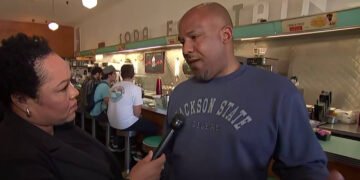
































Mississippi U.S. Senate candidate Scott Colom is criticizing his own party for failing to invest enough in the state, as his Senate race remains too close to call. Colom, a Democrat, made the remarks in an interview that NBC News correspondent Yamiche Alcindor brought to Meet the Press NOW on November 5, 2026.
Colom Blames Democrats for Lack of Investment
Colom argued that Democrats did not do enough to compete seriously in Mississippi. He suggested the party’s limited commitment to the state left his campaign without the support it needed. His criticism points to a broader frustration among some Democrats about where the party chooses to direct its resources.
Stay connected to every major update — subscribe and follow us on the PhoenixQ website and across our social media platforms.
The Mississippi Senate race drew attention partly because of its competitive margin. However, Colom’s comments suggest he believes the outcome could have looked different with stronger party backing. He did not hold back in placing responsibility on Democratic leadership.
A Familiar Argument in Southern Politics
Colom’s critique echoes a long-standing debate within the Democratic Party about its strategy in Southern states. Many Democrats in red states have argued that the national party writes off entire regions too quickly. As a result, candidates in those states often run with fewer resources than their Republican opponents.
Earlier in the campaign, Colom drew a sharp contrast between national promises and local outcomes. He accused former President Donald Trump of pledging “America First” while delivering what he called “Mississippi last.” That framing highlighted his effort to connect federal policy failures directly to conditions in his state.
Race Still Undecided
As of the broadcast on November 5, 2026, the Mississippi Senate race had not yet been called. The tight margin kept the contest in the spotlight despite Mississippi’s reputation as a reliably Republican state. Colom’s ability to remain competitive drew interest from political observers watching the broader midterm landscape.
Alcindor’s report added context to the race by highlighting Colom’s direct challenge to his own party. His willingness to publicly criticize Democratic strategy, even while his own race remained undecided, signaled his frustration with how the party approaches states like Mississippi. Whether that message resonates beyond the state remains to be seen.