English

































The United States Supreme Court opened its new term on Monday by hearing arguments in a high-stakes climate liability case. The justices struggled to find common ground as oil companies sought to dismiss lawsuits demanding they pay damages for the effects of climate change.
The case centers on a lawsuit filed by the city and county of Boulder, Colorado, against Exxon Mobil and Suncor Energy. However, the outcome could affect more than two dozen similar lawsuits filed by cities and counties across the country.
Stay connected to every major update — subscribe and follow us on the PhoenixQ website and across our social media platforms.
Justices Press Both Sides on Climate Liability
The court heard arguments without a full bench. Justice Samuel Alito recused himself from the case, leaving only eight justices. His absence raises the possibility of a 4-4 split, which would leave the core legal questions unresolved while allowing the Boulder case to move forward.
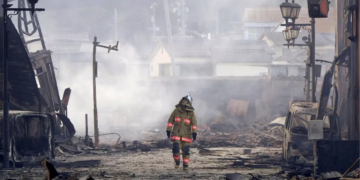
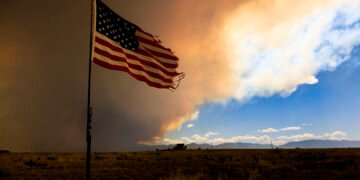
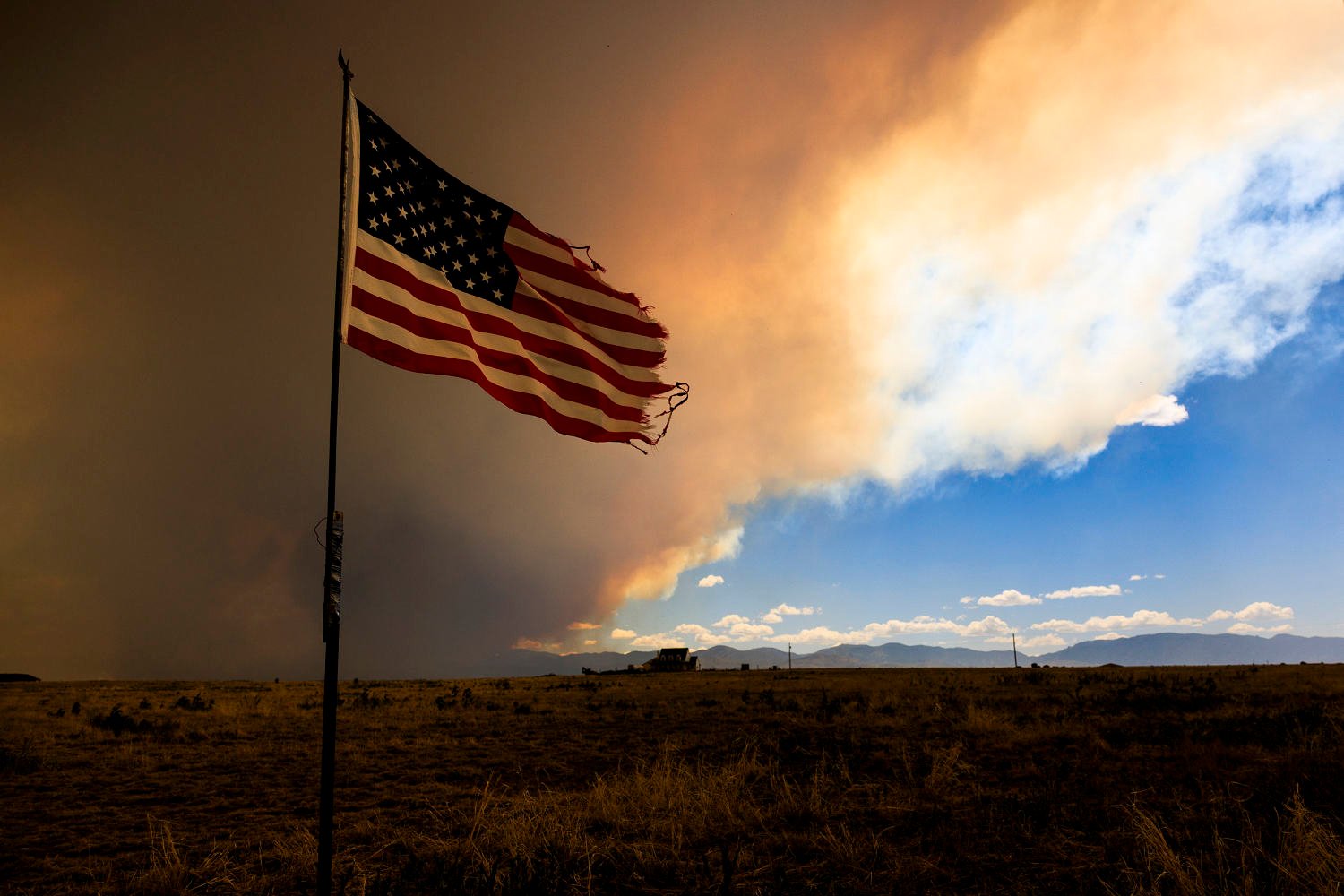
The justices pressed lawyers on both sides with tough questions. Boulder officials argue the city faces rising costs linked to climate change, including efforts to reduce wildfire risks. Colorado experienced extreme heat, drought, and multiple fires this past summer.
The Boulder lawsuit claims Exxon and Suncor misled consumers about the climate impact of their products. The claims rest on state consumer protection law rather than federal environmental regulations.
Oil Companies Warn of Crippling Financial Exposure
Exxon and Suncor deny the allegations. They warn that allowing this case and others like it to reach trial could expose energy companies to billions of dollars in damages. The companies also argue that climate change is a national and international issue. Therefore, they say, state courts are not the proper venue for such disputes.
Chief Justice John Roberts appeared sympathetic to that concern. He questioned what would happen if the court allowed the Boulder case to continue.
“Just to make sure I have a correct understanding,” Roberts told Boulder’s lawyer. “Presumably, if you prevail, the next day a municipality in every single state will file a lawsuit.”
Roberts also seemed skeptical of Boulder’s framing. Although the city bases its claims on consumer deception, he suggested the lawsuit looked more like “an effort to reduce emissions.” At the same time, however, Roberts acknowledged that state court litigation against out-of-state companies over harmful products is not unusual.
Liberal Justices Draw Comparisons to Tobacco and Opioid Cases
Not all justices leaned toward the oil companies. Liberal Justice Elena Kagan compared the climate lawsuits to earlier litigation against tobacco companies and opioid manufacturers. Those cases, she noted, proceeded through state courts and resulted in major settlements.
The oil companies pushed back on that comparison. They argued the tobacco and opioid cases involved a much more direct link between the product and harm to consumers. Climate change, they contend, involves far more complex and diffuse causal chains.
The divided questioning from the bench reflects the broader difficulty of the case. The justices must decide whether state courts can hear climate liability claims against major energy companies. The decision could shape how climate litigation proceeds across the entire country for years to come.