English
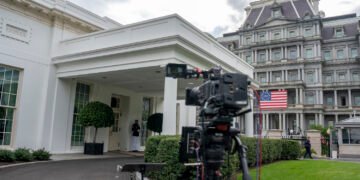






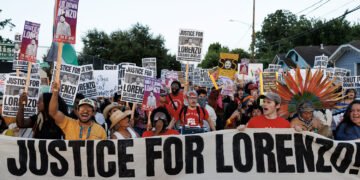
























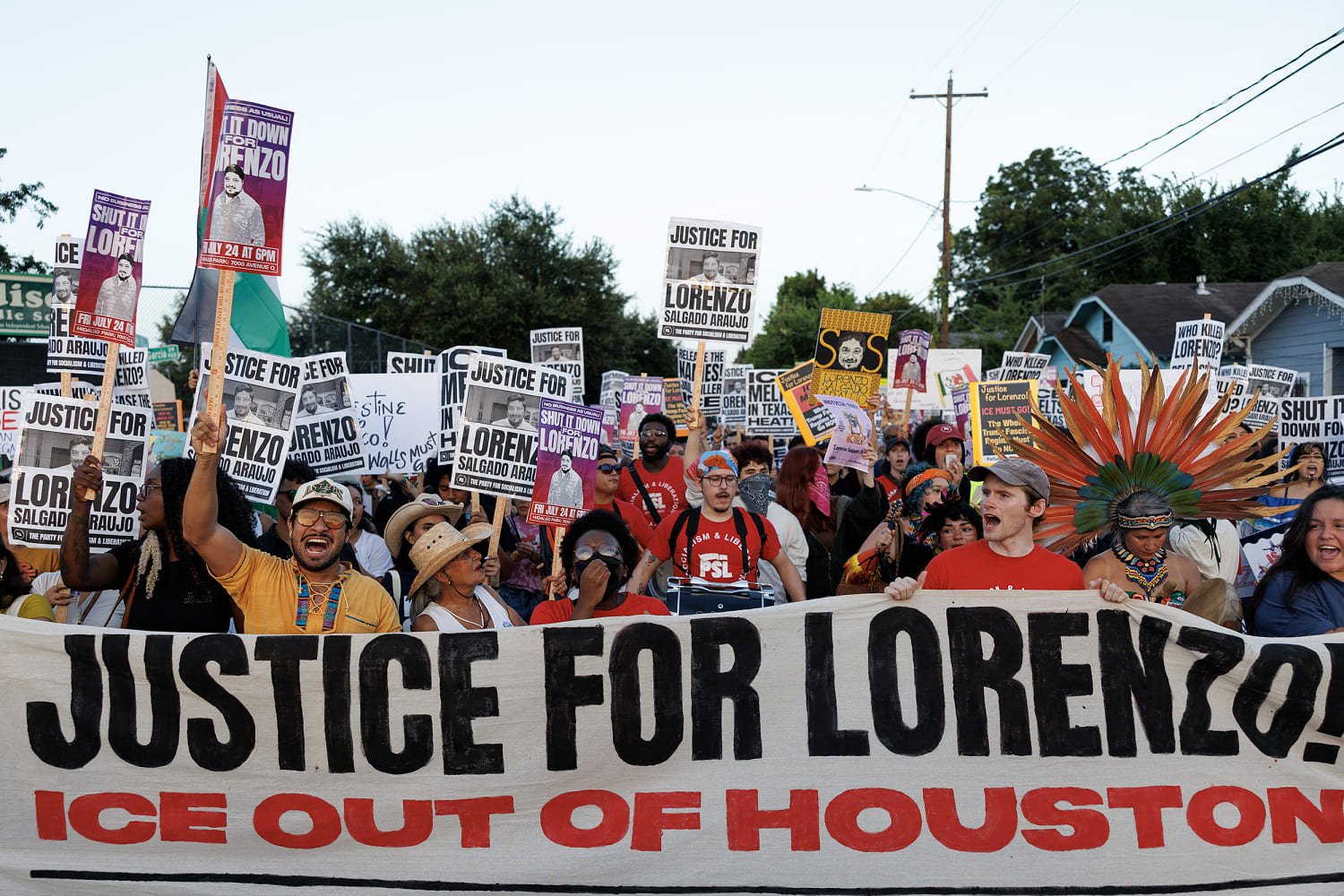
The fatal shooting of Lorenzo Salgado Araujo, a Houston father and longtime immigrant worker, has ignited a wave of political anger among Latino voters in Texas. His death at the hands of immigration agents is now reshaping community activism and driving unprecedented voter engagement ahead of upcoming elections.
A Father Shot on His Way to Work
Salgado Araujo rose before dawn on July 7, as he did most mornings. He had lived in the United States for decades without legal status but was actively pursuing a work permit. He had no criminal record.
Stay connected to every major update — subscribe and follow us on the PhoenixQ website and across our social media platforms.
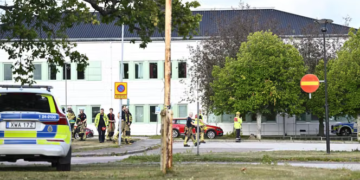
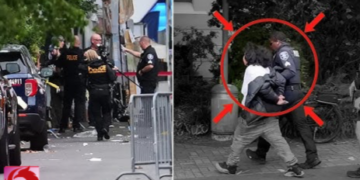
That morning, he picked up workers in his white van and headed to a job site. Immigration agents in unmarked vehicles pursued him. Authorities say he used his van to ram their vehicles, and an officer shot him. However, witnesses inside the van directly contradict that account.
Authorities later admitted that Salgado Araujo was not even the intended target of the operation.
His eldest son, Ronaldo Salgado, stepped before cameras in the days that followed and delivered an emotional tribute that spread widely online. “He was a hardworking family man who never wanted his name to be known by anyone outside of his family,” Ronaldo said at a news conference, while his brother held up a photograph of their father.
Ronaldo also pushed back firmly on the official account. Their father, he said, had always taught his children to pull over calmly, hand over their documents and act respectfully if law enforcement stopped them. He told NBC News that as immigration arrests increased in 2025, the family had discussed exactly what to do during an encounter. “Just remember, don’t sign anything. Call us,” Ronaldo said he had told his father.
Authorities Allege Drugs — Then Backtrack
Federal officials took an unusual step after the shooting. They made public an FBI search warrant seeking access to Salgado Araujo’s van. The warrant cited baggies containing crystals that agents said resembled methamphetamine.
Ronaldo Salgado said he smiled when he heard that. He knew exactly what the substance was. His father mixed a homemade electrolyte solution — mainly salt — into Gatorade for himself and his workers to cope with Houston’s extreme summer heat.
The U.S. attorney’s office later confirmed the substance was not methamphetamine. Ronaldo believed the allegation was a deliberate attempt to damage his father’s reputation and reduce public outrage. The community saw it the same way.
“It really shook the community,” said Jasmine Khadem González, an immigrant rights organizer with the Houston Democratic Socialists of America. “A lot of us who are Latino, we have somebody in our family: If it’s not our father then it’s our uncle who has a very similar job. To see somebody like that be targeted for just existing.”
Sitting at Las Perras Cafe in Houston, where a makeshift altar to his father stands in the corner, Ronaldo named others killed by immigration officers, including Renee Good, Alex Pretti and Ruben Ray Martinez. “These are lives that are lost, and they need to be investigated, just like any other life lost,” he said. “It needs to be investigated with the full cooperation of the agents involved.”
Amy Zachmeyer, executive director of New Economy for Working Houston, said the family’s public stand kept authorities accountable. “They never let a narrative set in that he was anything but a loving father, a Houstonian, a Texan, a hard worker,” she said.
Anger Reshapes Local Politics
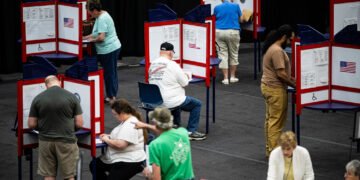
The shooting has accelerated a political shift among Latino voters in the Houston area. Harris County Commissioner Adrian Garcia said Latinos are “feeling a lot of attack and disrespect.” He has spent the past year reaching out to infrequent voters. From his perspective, people now want to vote with an intensity he has rarely seen.
“The low-propensity voters that I’ve been speaking to absolutely have a great intensity to vote in this election, and they specifically speak to ICE enforcement,” Garcia said. “A lot of young kids: ‘I’m voting for my mom. I’m voting for my dad.’ I hear that a lot.”
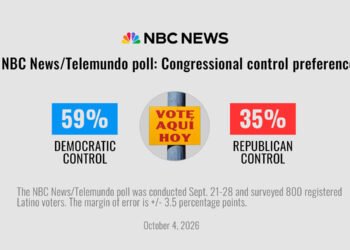
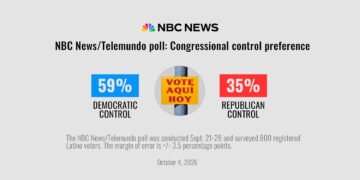
A recent NBC News/Telemundo poll found that 72% of Latino registered voters — more than ever recorded — rated their interest in the upcoming election as 10 out of 10. The same poll found that 31% of Latino voters say they or someone close to them started carrying identification because of concerns about ICE enforcement. Meanwhile, 27% say they know someone deported or detained by ICE in the past two years.
Jareli Barrera, a server at Cielito Cafe in Houston, said she has never followed an election so closely. Today, she actively helps co-workers register to vote. “Republicans are probably going to lose,” she said. “Most of these immigrants are the ones that are making the U.S. successful. They’re doing the hard work.”
Political and Legal Fallout in Houston
Before the shooting, local advocates had already been working to limit cooperation between Houston police and federal immigration agencies. Texas Governor Greg Abbott, a strong Trump ally running for re-election in November, threatened to block $200 million in grants to Houston and other major cities unless they changed local rules that restricted police from holding individuals longer to assist ICE. The cities, including Houston, ultimately rewrote their ordinances.
Houston Mayor John Whitmire, a centrist Democrat, had previously told The New York Times that he kept a low profile while other city leaders clashed with the White House over immigration. He said Houston had avoided the “turmoil” others experienced. After the shooting, however, Whitmire initially said the Houston Police Department lacked jurisdiction to investigate independently. Community pressure forced a change in direction.
Harris County District Attorney Sean Teare has since launched a formal investigation. The county government approved a $2.5 million request to fund the probe.
Jennefer Canales-Pelaez, a senior policy attorney with the Immigrant Legal Resource Center, said the death illustrated the deep fear that immigrant communities in Texas have lived with for years. “When the mayor told us that we weren’t going to be another Minneapolis, we weren’t going to be a Los Angeles, well, now we are,” she said. “Someone’s dead. That really has sparked this rage, this collective, righteous anger.”