English






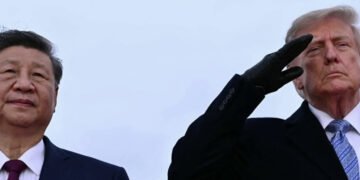
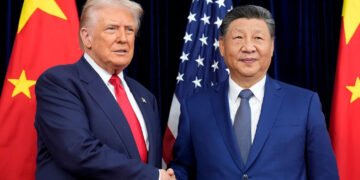





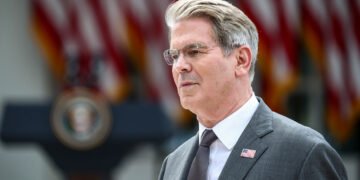



















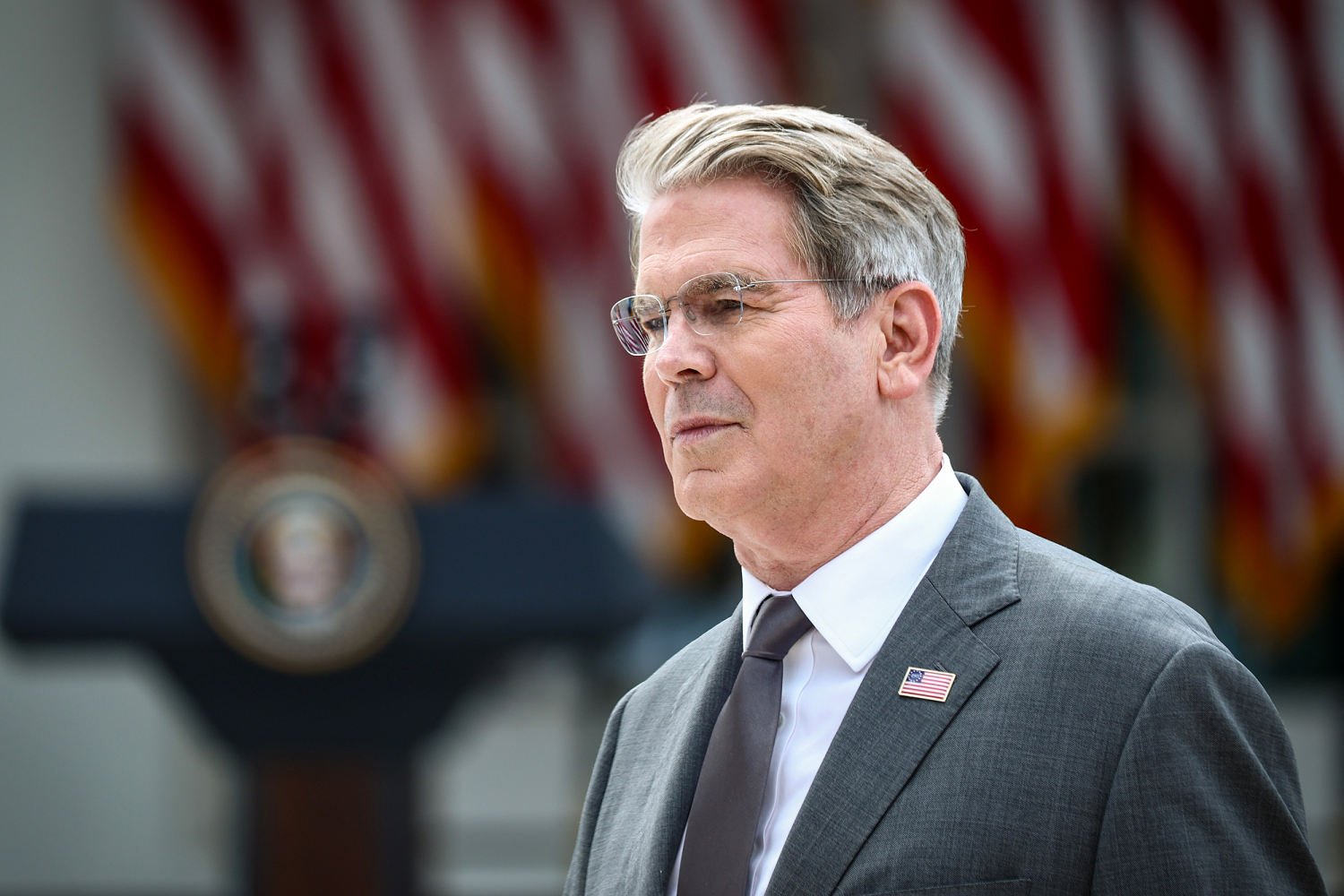
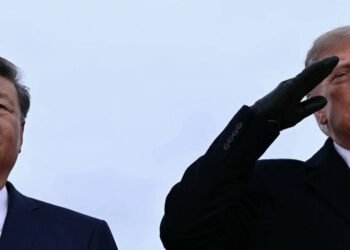
The United States and China have agreed to extend their bilateral trade truce until January 10, pushing past the original November deadline. Treasury Secretary Scott Bessent announced the extension on Wednesday, shortly after Chinese President Xi Jinping arrived in Washington for a multiday state visit.
Bessent Confirms the Extended Trade Truce
Bessent made the announcement during an interview on Fox News Channel. “We will extend what we call the ‘Busan Agreement’ — the economic détente between the two countries that was scheduled to end on Nov. 10 — that is going to be extended until Jan. 10,” he said.
Stay connected to every major update — subscribe and follow us on the PhoenixQ website and across our social media platforms.
The announcement followed an unscheduled meeting between Bessent and Chinese Vice Premier He Lifeng in Washington. The timing was notable. Xi touched down at Joint Base Andrews just minutes before the extension became public.
Bessent said a broader economic package could be finalized by January. However, he also noted that the two sides could simply roll the current deal forward if needed. He acknowledged that China had not fully met all its commitments under the existing agreement. “There are some deliverables that have not been perfect on the Chinese side,” he said. “We want to see, now that we’ve sat down and told them our expectations, if over the coming months they can be more fulsome in enacting the agreement.”
Further Deals Could Follow in Coming Days
Bessent suggested that additional announcements may come from the Chinese delegation during the state visit. These could include agreements for China to purchase more American agricultural products. Potential deals in the financial services sector are also under discussion.
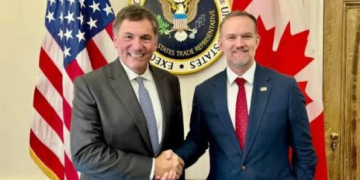
Since Sunday, Bessent and U.S. Trade Representative Jamieson Greer have held talks with their Chinese counterparts to prepare for Xi’s visit. On Sunday, the two sides proposed exchanging alerts about AI-related hacking incidents, particularly those involving national security.
Greer also told reporters that the U.S. and China could agree on lists of goods eligible for lower tariffs. This would form part of President Donald Trump’s “Board of Trade” initiative with China. “We expect that the types of goods you’ll see in those lists are consumer goods, low-tech items coming in from the Chinese side,” Greer said. “On the U.S. side, energy products, agricultural goods, potentially medical devices and other things like that.”
Xi’s First U.S. State Visit in Over a Decade
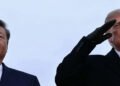
Xi’s current trip marks his first state visit to the United States in more than ten years. The visit carries significant weight for both governments. The U.S. and China remain among each other’s most important trading partners, supplying goods to millions of consumers and businesses on both sides.
As a result, the US-China trade truce extension has been widely welcomed in both Washington and Beijing. Economic stability between the world’s two largest economies benefits not only both countries but also global markets more broadly. Further developments are expected as the state visit continues in the coming days.