English

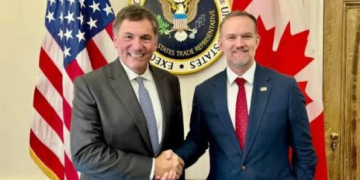






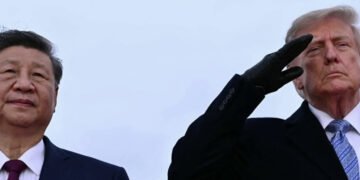
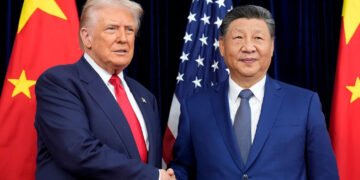

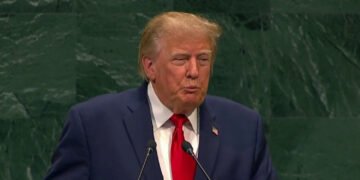

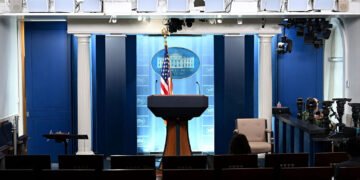





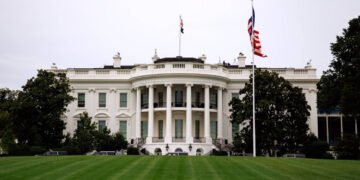





















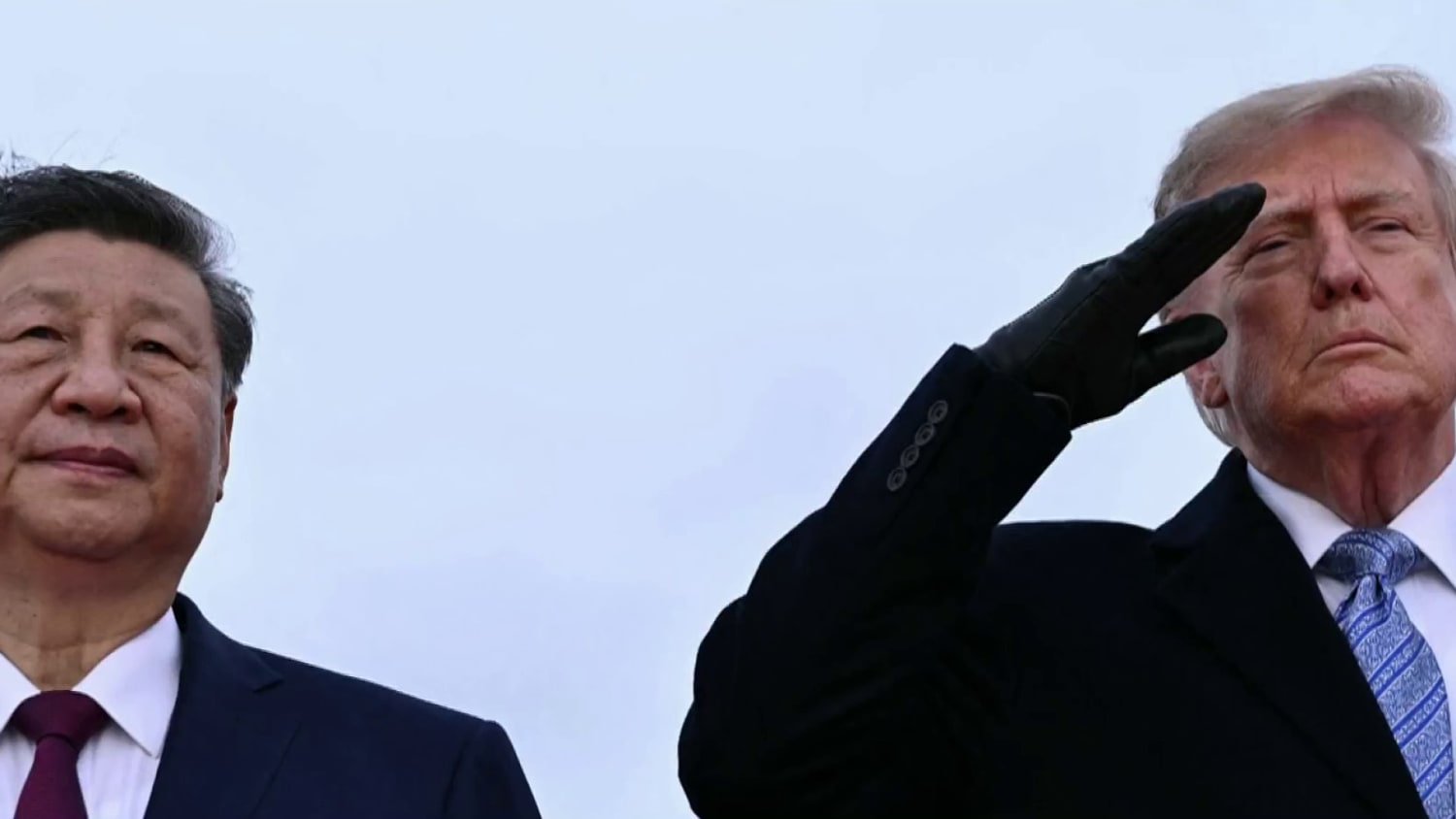
President Donald Trump hosted Chinese President Xi Jinping for a high-stakes summit in Washington, as the two leaders met to address some of the most pressing issues in the relationship between the world’s two largest economies.
NBC News correspondent Gabe Gutierrez reported on the meeting, which drew significant attention given the current state of U.S.-China relations. The summit took place on September 23, 2026.
Stay connected to every major update — subscribe and follow us on the PhoenixQ website and across our social media platforms.
A Critical Meeting Between Two Global Powers
The Trump-Xi summit in Washington marked a significant diplomatic moment. Meetings between U.S. and Chinese leaders carry enormous weight, given the broad range of issues the two countries must navigate together.
Trade, technology, security and geopolitical competition all remain central points of tension between Washington and Beijing. Therefore, any direct engagement between the two heads of state draws close scrutiny from governments and markets around the world.
High-level summits between American and Chinese leaders are relatively rare. As a result, each meeting tends to carry outsized expectations from both sides.
Washington as the Setting for Diplomacy
Hosting Xi Jinping in Washington signals a degree of diplomatic engagement that both governments chose to pursue at this time. The choice of location also reflects the formal and high-profile nature of the talks.
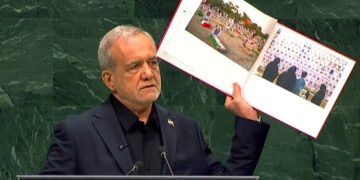
Meanwhile, the summit unfolded against a broader backdrop of active U.S. foreign policy. American negotiators were also meeting with Iranian officials at the United Nations around the same period, highlighting a busy stretch of international diplomacy for the Trump administration.
In addition, the administration was preparing for a series of high-stakes meetings at the United Nations, further underlining the intensity of U.S. diplomatic activity during this period.
Wider Context
The summit between Trump and Xi attracted wide coverage precisely because of what is at stake. The U.S.-China relationship shapes global trade flows, technological development and international security arrangements.
Both leaders face domestic pressures that influence how far each side can move in negotiations. However, direct leader-to-leader dialogue remains one of the most effective tools for managing tensions between the two powers.
The outcome of the Washington summit and its effect on U.S.-China relations will likely be closely watched by allied governments, international institutions and global financial markets in the weeks ahead.