English










































James Gunn and Peter Safran have stepped down as co-CEOs and co-chairmen of DC Studios, ending an era that promised bold creative ambition but ultimately delivered mixed results. Their departure raises serious questions about leadership, strategy, and the future direction of the DC film franchise.
A Grand Vision With Early Warning Signs
On January 31, 2023, Gunn and Safran unveiled an expansive slate of DC projects. The announcement generated excitement, but it also raised immediate concerns. Among their plans was an all-new Batman series that would run alongside Matt Reeves’ existing “The Batman” franchise at Warner Bros.
Stay connected to every major update — subscribe and follow us on the PhoenixQ website and across our social media platforms.
That decision stood out as a red flag. By that point, audiences had already endured decades of Batman reboots. Val Kilmer, George Clooney, and Ben Affleck had each taken a turn in the cape. Christopher Nolan’s Dark Knight trilogy finally transcended that cycle. Then Robert Pattinson and Matt Reeves delivered a critically acclaimed “The Batman” that felt definitive. Adding yet another competing Batman series seemed less like creative ambition and more like franchise clutter.
Sony had pulled off something similar with Spider-Man, releasing the animated Spider-Verse films alongside live-action entries. However, animation kept those projects spiritually separate. A second live-action Batman series offered no such distinction. It was an early signal of what critics would later describe as scattershot overreach.
Superman Offered Hope, Supergirl Raised Doubts
Last summer, Gunn directed “Superman,” the flagship launch of the new DC universe. The film divided critics but performed reasonably well commercially. Many viewers, including those skeptical of the new direction, found it a qualified success. Still, the film felt busy and self-conscious, packed with Easter eggs and a tone that seemed more eager to impress than to connect.
Gunn also directed the sequel, “Man of Tomorrow,” currently in post-production and scheduled for release on July 9, 2027. That fact alone prompted a legitimate question: why was the executive head of DC Studios still directing films at all?
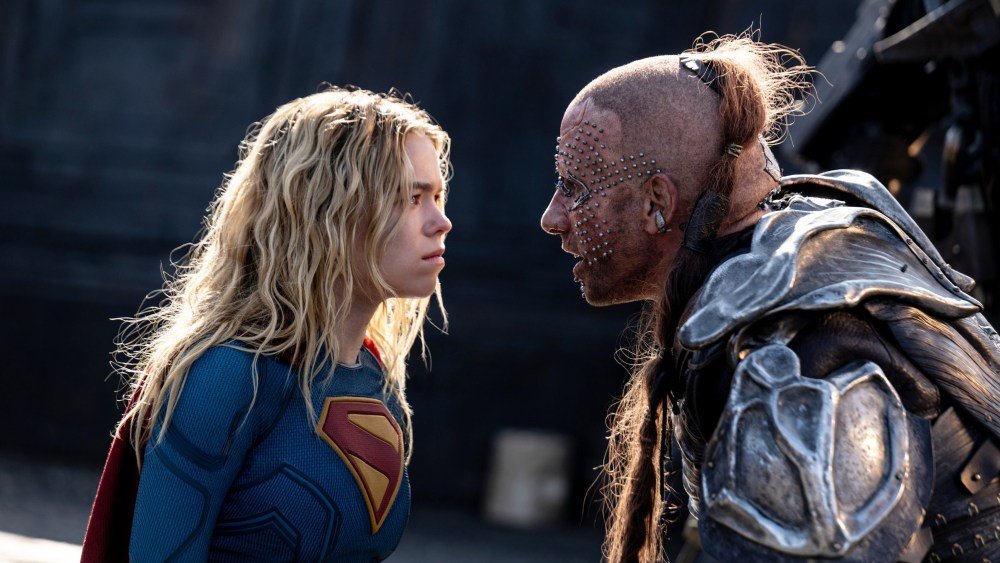
Meanwhile, “Supergirl” arrived roughly four months ago and disappointed significantly. Gunn had publicly committed to rigorous script quality before greenlighting any production. That commitment made “Supergirl” all the more damaging. The film featured a listless plot, flat characters, and a script widely regarded as among the weakest in recent superhero cinema. For many observers, it undermined the entire quality-control argument Gunn had built his leadership around.
Clayface and the Question of Strategy
DC Studios’ third major release, “Clayface,” fared better critically but struggled to generate cultural momentum. The film carried a modest $44 million budget and will likely gross around $65 million domestically, with roughly double that internationally. However, it barely registered in wider public conversation. Releasing a film centered on such an obscure character as DC’s third major theatrical effort struck many as a strategic miscalculation.
New Leadership Points to a Different Direction
David Ellison, who made the decision to remove Gunn and Safran, has chosen Jeremy Latcham as part of the new leadership structure. Latcham is a Marvel veteran who describes his creative outlook as faith-based, wholesome, and upbeat. That choice signals a clear departure from the edgier, more irreverent tone Gunn favored.
Gunn remains a genuinely talented filmmaker. However, as a corporate creative overseer responsible for a major franchise, his tenure produced results that were ambitious in scope but inconsistent in execution. The DC Studios experiment under his leadership earned a passing grade at best.