English















































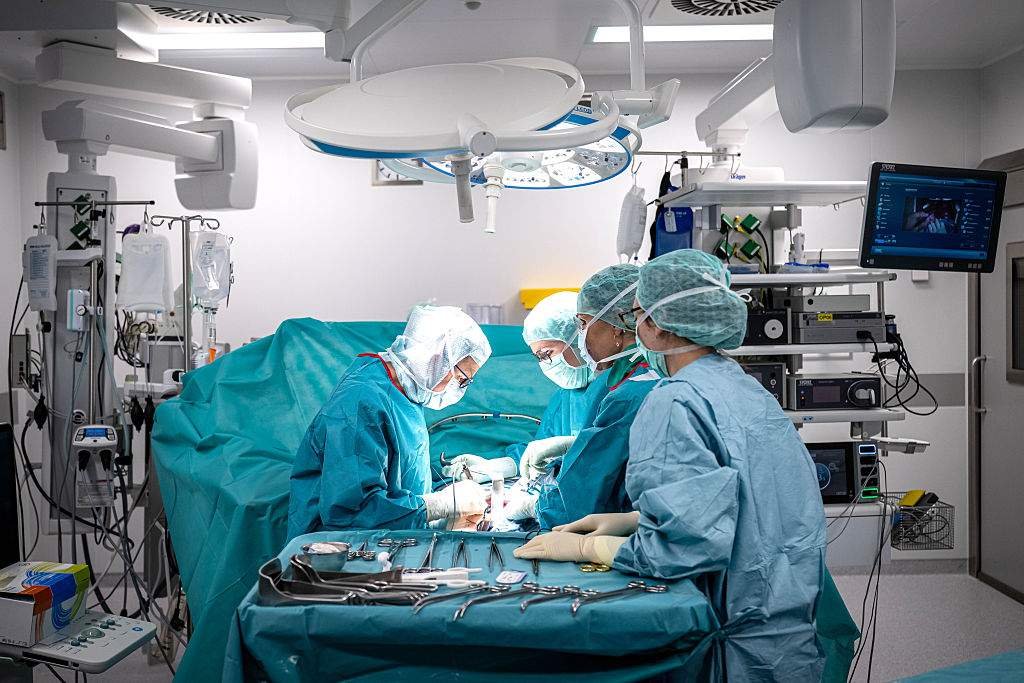
Canadian doctors are calling on women to consider a quick surgical procedure that could cut their risk of ovarian cancer by around 80 per cent. The procedure, known as an opportunistic salpingectomy, involves removing the fallopian tubes. Medical experts say most ovarian cancers originate in the fallopian tubes, making their removal a powerful preventive step.
Each year, approximately 3,000 Canadian women receive an ovarian cancer diagnosis. Around 2,000 of those women will die from the disease. Dr. Elyse Lackie, an OB/GYN, shared those figures with Global News and described the procedure as a highly effective preventive measure.
Stay connected to every major update — subscribe and follow us on the PhoenixQ website and across our social media platforms.
A Fast Procedure With Major Benefits
The operation itself takes fewer than five minutes. Surgeons perform it on patients already undergoing abdominal surgery who have decided they do not want children or have finished having them. Because it adds so little time to an existing procedure, doctors say the additional risk is minimal.
Importantly, the surgery removes only the fallopian tubes and leaves the ovaries intact. As a result, hormone production continues normally, and patients experience very few side effects from the added step.
A study from the University of British Columbia, published earlier this year, confirmed these findings. Co-senior author Dr. Gillian Hanley, an associate professor of obstetrics and gynaecology at UBC, said the results were clear. “This study clearly demonstrates that removing the fallopian tubes as an add-on during routine surgery can help prevent the most lethal type of ovarian cancer,” she said. “It shows how this relatively simple change in surgical practice can have a profound and life-saving impact.”
Why Ovarian Cancer Is So Dangerous
Ovarian cancer is particularly deadly because it rarely causes obvious symptoms in its early stages. There are also no reliable screening tests to catch it early. By the time most patients notice something is wrong, the disease has already advanced significantly.
“Essentially you’re not gonna see it at all, you’re not going to feel it at all, until it’s really advanced and that’s often too late,” Dr. Lackie said.
Symptoms can include bloating, constipation, back pain and feeling full quickly after eating. The disease most commonly affects post-menopausal women, though anyone can be at risk. According to the Mayo Clinic, about 20 per cent of all ovarian cancers link to a genetic mutation that also raises the risk of breast cancer. While the cancer often responds well to chemotherapy and radiation, it also carries a high recurrence rate.
Doctors and Patients Speak Out
Shaheen Mawani had the procedure last year during surgery to remove her uterus. She told Global News it was an “opportune thing” to do at the time. “This seemed like a brainer for me,” she said.
Dr. Peter Stotland, Chief of Surgery at North York General Hospital, also backed the approach. He said the surgery would mean “lives saved” and help women avoid intensive chemotherapy, radiation and further surgical treatment. “We’ve really put a concerted effort into getting this out there,” he said, so that more patients know the option exists.
Dr. Lackie, meanwhile, urged the Canadian government to invest in education and broader implementation of the procedure. She described it as a “really simple” operation with low financial costs. In the long run, she argued, preventing ovarian cancer would save the healthcare system “so much money.”
The opportunistic salpingectomy approach was developed and named by Dr. Dianne Miller, a gynaecologic oncologist with BC Cancer and Vancouver Coastal Health, and associate professor emerita at UBC. She summed up the case for the procedure simply. “If there is one thing better than curing cancer, it’s never getting the cancer in the first place,” Dr. Miller said.