English

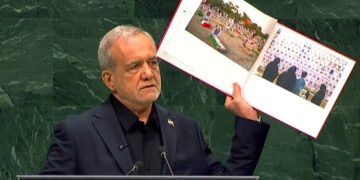
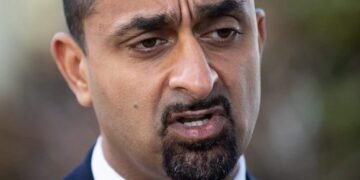










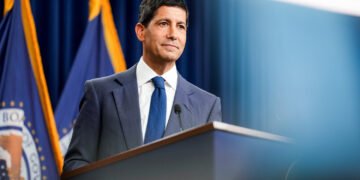











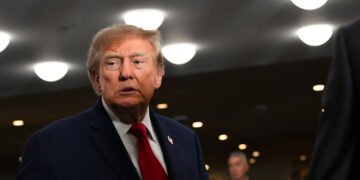






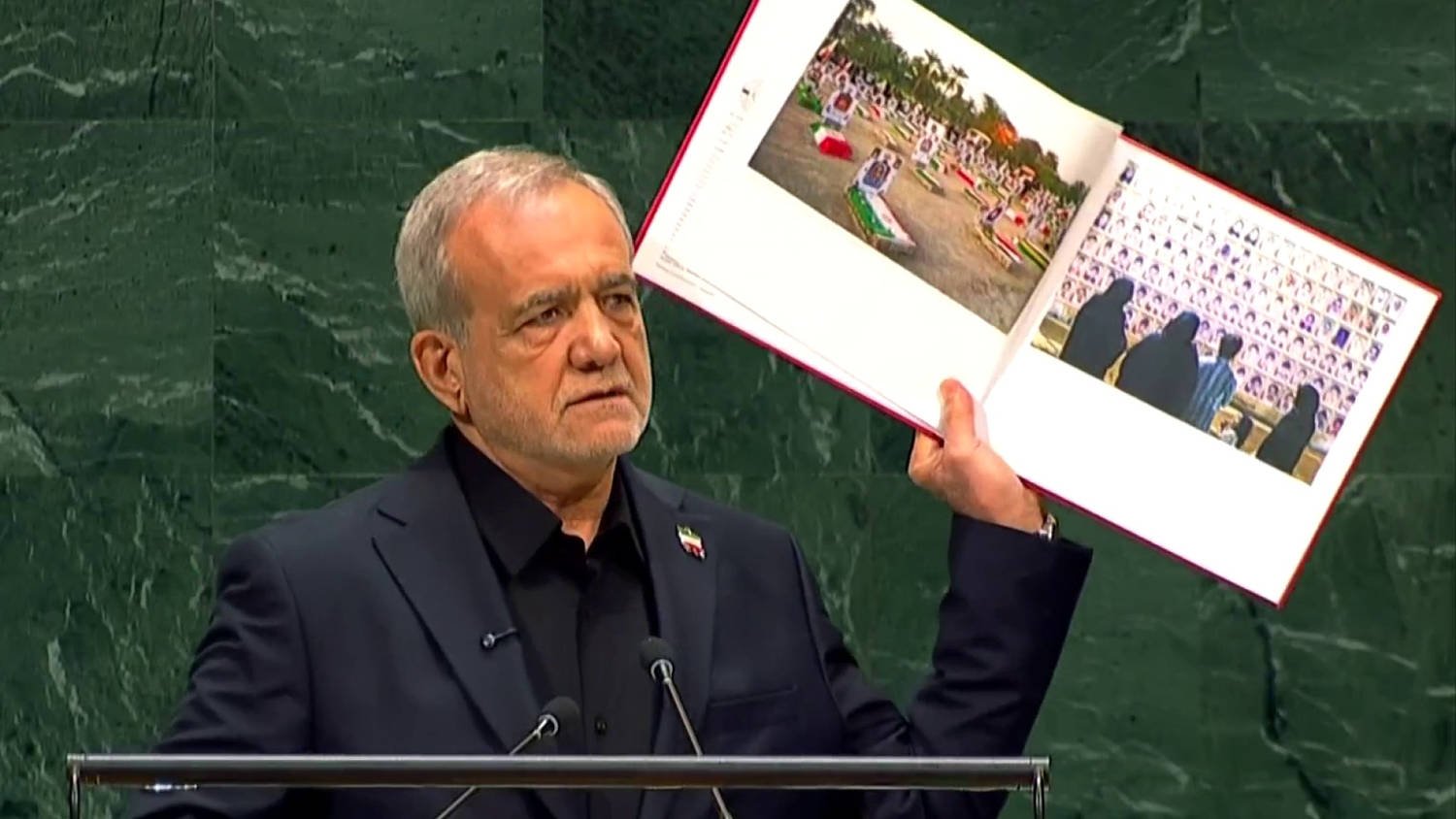
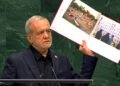
Iranian President Masoud Pezeshkian took the stage at the United Nations on September 23, 2026, and delivered a pointed speech accusing the United States of committing acts of “terrorism” against Iran. In his address, Pezeshkian drew attention to leaders, scientists, and civilians he said had been killed, framing Iran as a victim rather than an aggressor in the ongoing conflict.
Pezeshkian Accuses the United States at the UN
Speaking before the UN General Assembly, Pezeshkian argued that Iran has suffered at the hands of what he described as American-sponsored terrorism. He pointed to the deaths of prominent figures, including scientists and civilian victims, as evidence of his claims. His remarks drew significant attention at the international forum.
Stay connected to every major update — subscribe and follow us on the PhoenixQ website and across our social media platforms.
NBC News correspondent Matt Bradley reported on the speech and its broader context. The address came during a period of intensifying conflict between the United States and Iran. Tensions between the two countries have escalated sharply in the lead-up to the UN gathering.
Broader Conflict and US-Iran Tensions
The backdrop to Pezeshkian’s speech includes a series of serious military and diplomatic developments. US forces destroyed Iranian oil tankers as the conflict escalated. Meanwhile, global oil prices climbed above $105 per barrel as the war intensified.
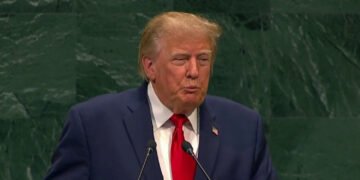
President Donald Trump also addressed the United Nations during this period. Trump called Iran the “bully of the Middle East” in his own UN speech. He also raised the possibility of moving to “annihilate” Iran if the two sides failed to reach a deal.
At the same time, US negotiators held separate meetings with Iranian officials on the sidelines of the UN gathering. Those talks suggested some diplomatic channels remain open, even as military actions continued. A growing divide within the Republican Party over the direction of the Iran war also emerged as a notable domestic development.
Military Actions and Regional Impact
The US military struck multiple Iranian oil tankers as part of the broader conflict. A US Air Force officer also came forward to detail an ordeal following the downing of an American jet over Iran. Furthermore, Iran-backed Houthi forces took control of a stretch of Red Sea coastline in Yemen during this period.
Trump suggested the war with Iran would conclude after the midterm elections. However, the conflict continued to affect global energy markets and American consumers. Diesel prices surged to record highs as a direct result of the ongoing hostilities. The situation remains fluid, with both military and diplomatic developments unfolding rapidly on multiple fronts.