English
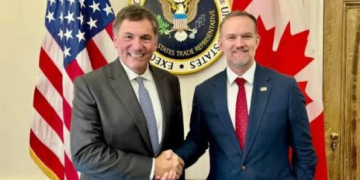











































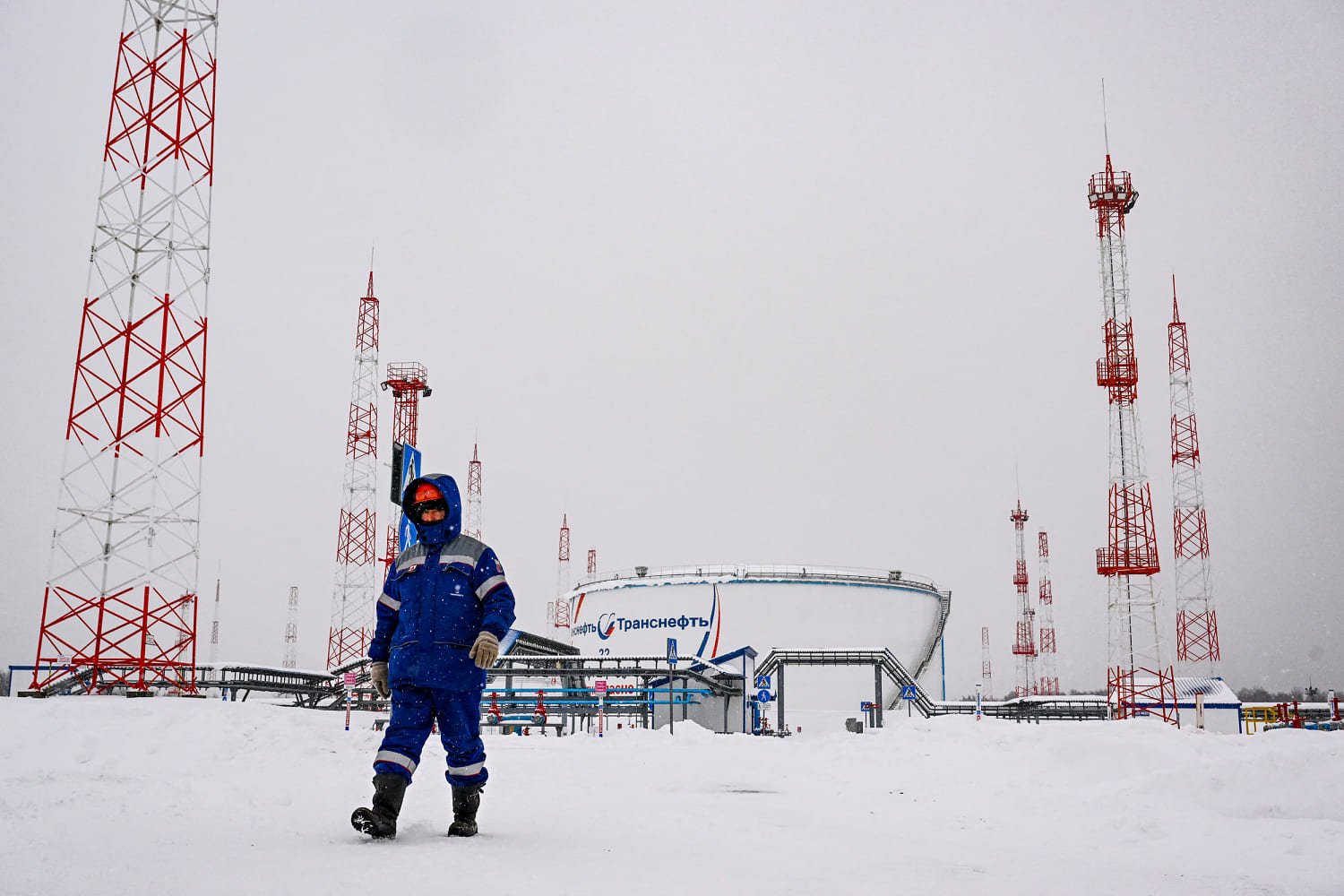
The U.S. House of Representatives passed sweeping legislation on Wednesday to impose sanctions on Russia and Iran, sending the bill to President Donald Trump for his signature. The final vote stood at 262-159, marking a significant step in congressional efforts to pressure Moscow over its ongoing war in Ukraine.
The legislation carries the name of the late Senator Lindsey O. Graham, honoring his long-standing advocacy for tougher measures against Russia before his unexpected death in July. The Senate had already passed the Lindsey O. Graham Sanctioning Russia and Iran Act of 2026 last month by a wide margin of 86-11.
Stay connected to every major update — subscribe and follow us on the PhoenixQ website and across our social media platforms.
Targeting Russia’s Energy Revenue
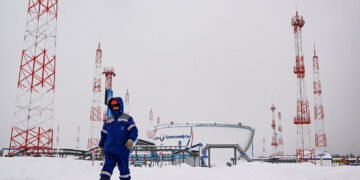
The 61-page bill focuses heavily on Russia’s energy sector. It allows the president to impose tariffs on goods from countries that buy large volumes of Russian oil and gas. Those countries could include China and India.
The core goal is to cut the revenue Russia uses to fund its war against Ukraine, which began in 2022. The nonpartisan Center for Strategic and International Studies described the bill’s most significant provision as the authority to place tariffs of up to 100 percent on third countries purchasing substantial amounts of Russian energy.
The center also noted that this approach replaces a blanket 500 percent tariff from the 2025 version. Instead, the new bill uses a more measured instrument. It also includes an exemption for countries that take meaningful steps to reduce their dependence on Russian energy and whose imports account for less than 15 percent of Russia’s annual natural gas exports.
The Atlantic Council further explained that the bill would authorize the Trump administration to impose tariffs of up to 100 percent on Chinese imports on national security grounds. That authority would apply if China continues purchasing Russian oil. The assumption is that such tariffs would compel Beijing to reduce its Russian energy imports.
Broader Sanctions and Iran Provisions
Beyond energy, the bill also targets Russian government officials, oligarchs, certain family members and Russian financial institutions. These measures aim to increase economic and political pressure on the Kremlin.
At President Trump’s request, the legislation also extends sanction authority against Iran. Specifically, it targets funding for Iran’s weapons and energy sectors, broadening the bill’s reach beyond the Russia-Ukraine conflict.
Political Debate in the House
The bill’s passage was not without controversy. Some senior House Democrats raised concerns that the legislation grants the president overly broad tariff powers that could be misused. However, those objections ultimately did not derail the vote.
House Speaker Mike Johnson, a Republican from Louisiana, expressed clear support for the measure. “I have always been in favor of the Russia sanctions bill,” he told reporters on Monday. “But we had to build a consensus around it, and I think we have it.”
Reaction from Ukraine Advocates
Supporters of Ukraine welcomed the bill’s passage with strong words. Daniel Balson of Razom for Ukraine, a U.S.-based advocacy group, called the development “momentous.”
“It comes as Russian officials move towards full-scale mobilization and intensify their bombing campaign against Ukraine’s critical energy infrastructure,” Balson said in a statement. He added that the bill sends an unmistakable message to Moscow. “For so long as Putin continues to inflict suffering on Ukraine, Congress will continue to impose consequences on Putin,” he said.
The bill now awaits President Trump’s signature before it becomes law.