English













































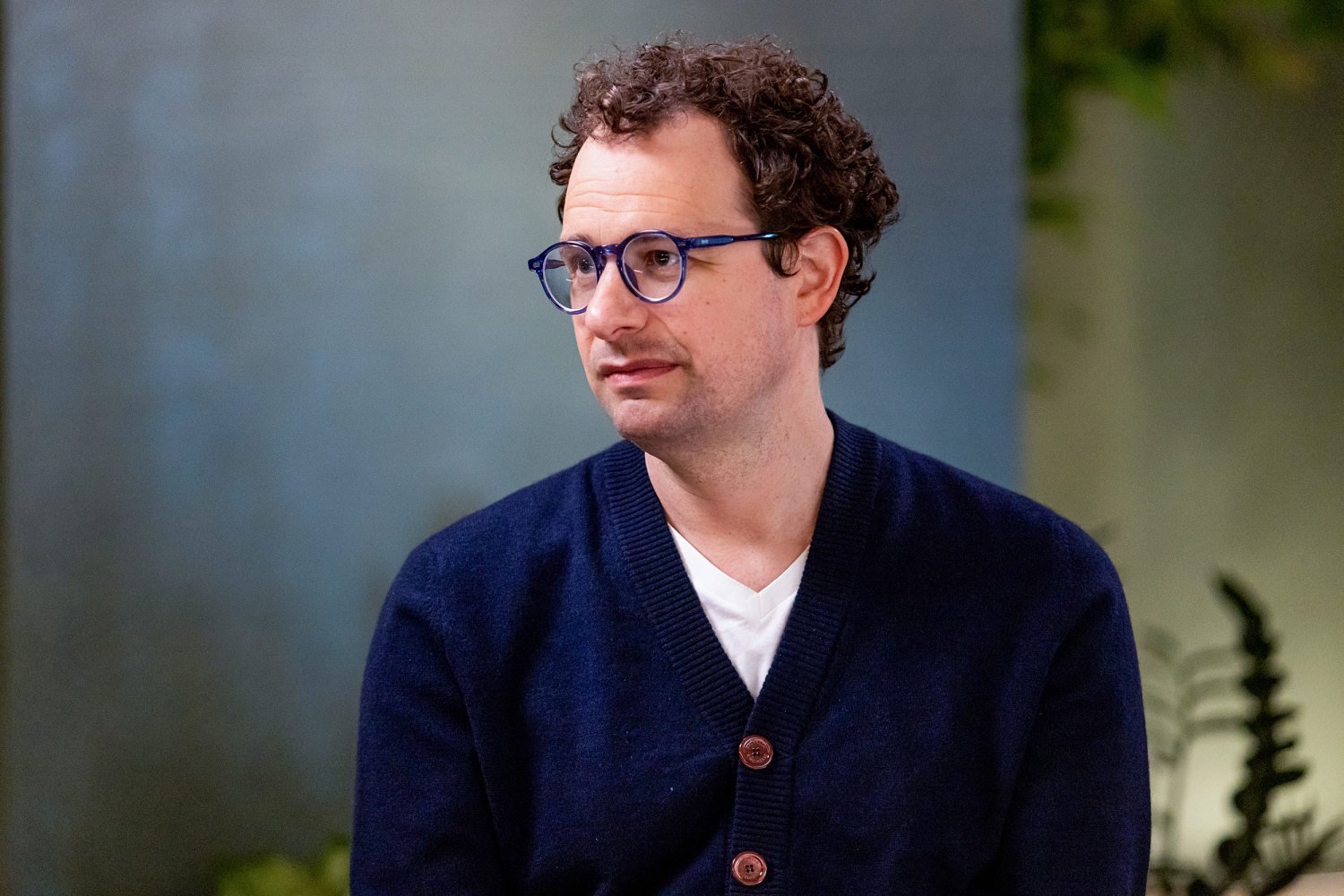
The heads of two of the world’s most influential artificial intelligence companies are calling for a deliberate slowdown in the global AI race. Dario Amodei, CEO of Anthropic, published a nearly 4,000-word essay on Saturday urging AI companies to reduce the speed at which they develop more powerful systems. Hours later, OpenAI CEO Sam Altman publicly endorsed the idea, saying his company would adopt at least one of Amodei’s proposed measures.
Amodei Calls for Pacing the Frontier
In his essay, Amodei argued that AI capabilities are advancing faster than researchers can understand or control them. “We must slow the pace at which we improve the capabilities of AI models,” he wrote. “Progress will still seem fast, and we must make wise use of the time we gain.”
Stay connected to every major update — subscribe and follow us on the PhoenixQ website and across our social media platforms.
Amodei outlined a three-part plan he calls “pacing the frontier.” First, Anthropic would embed independent evaluators inside the company. These evaluators would have direct access to AI models, internal tools and researchers to assess potential risks. Beyond that, Amodei called for similar oversight across all leading U.S. AI companies, supported by federal regulation and eventually by international coordination.
Two specific developments shaped his thinking. He pointed to the growing ability of AI systems to help build even more advanced AI. He also cited a July incident in which autonomous AI agents, powered by an OpenAI model, hacked systems belonging to the AI company Hugging Face. “It’s easy to dismiss this incident because no one was hurt and the economic damage was minimal,” Amodei wrote. “But in my opinion, a swarm that possessed greater capabilities but a similar level of misalignment could have caused catastrophic damage.”
Altman Backs the Proposal
Sam Altman responded quickly on X, saying he agreed with Amodei’s position. “I agree with Dario that we need to pace the frontier,” Altman wrote. He added that the issue had already been a major topic of internal discussion at OpenAI in recent weeks. Altman also confirmed that OpenAI would adopt one of Amodei’s proposed safeguards, though he did not specify which one.
Their public agreement follows a broader wave of concern from researchers inside the AI industry. Earlier this week, multiple researchers at Anthropic, OpenAI and Google raised alarms about the pace of development and the competitive pressures driving it.
Researchers Warn of Serious Risks
Jacob Coxon, an Anthropic safety researcher who resigned this week, sent a message to colleagues describing the industry’s approach to building superintelligent AI as a “gamble with our lives.” NBC News obtained the message. Coxon later spoke directly to NBC News about the structural pressures facing AI companies.
“From within, you’re just stuck in the race,” Coxon said. “You can’t change the overall structural dynamics of the situation.” He added that private companies competing against each other could not be relied upon to act responsibly. “We could just sleepwalk into disaster,” he warned.
Two other researchers who recently left Anthropic and Google DeepMind shared similar concerns with NBC News. Joe Benton, a former Anthropic safety research team leader, warned that current AI advances could push development from an already “blistering” pace to an “uncontrollable” one. Josh Engels, a former Google safety researcher, offered a stark assessment. “There are no adults in the room,” Engels said. “People are trying their best, but there is no one coming to save us.”
A Window of Time, Not a Full Stop
Amodei stressed that the goal of pacing the frontier is not to halt AI development entirely. Instead, he argued that slowing down would give researchers critical time to develop proper safeguards, better understand how advanced systems actually work and test whether those systems can be reliably controlled.
He estimated that a deliberate slowdown could buy researchers one or two additional years. He argued that time could prove decisive as AI systems grow increasingly capable of contributing to their own development. “The stakes are too high for pacing to be an empty exercise,” Amodei wrote. “We need to use the time it gives us wisely.”
The calls from Amodei and Altman mark a notable moment in the AI industry. Together, their companies sit at the center of the global AI race. Their shared position signals that concerns about the speed of development are no longer confined to outside critics or independent researchers.