English

































Saskatchewan is pressing ahead with plans to introduce involuntary addiction treatment, even as key details about how the system will operate remain unresolved. The provincial government passed the Compassionate Intervention Act in May, creating a legal framework to place people with severe addictions into treatment without their consent. Officials designed the legislation to help individuals who cannot seek help on their own, despite facing serious risks to their health and safety.
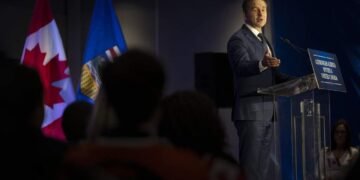
The province initially planned to launch the system this fall. However, the timeline has since shifted. Mental Health and Addictions Minister Lori Carr acknowledged the delay but defended the cautious approach. “With something of this magnitude, we just want to make sure we do it right out of the gate,” Carr said.
Stay connected to every major update — subscribe and follow us on the PhoenixQ website and across our social media platforms.
Once a facility opens in North Battleford, family members, doctors, and police will be able to refer individuals for assessment. Meanwhile, the province continues to establish the teams and tribunals that will evaluate each case before any treatment order proceeds.
Overdose Crisis Drives Urgency
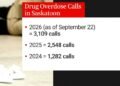
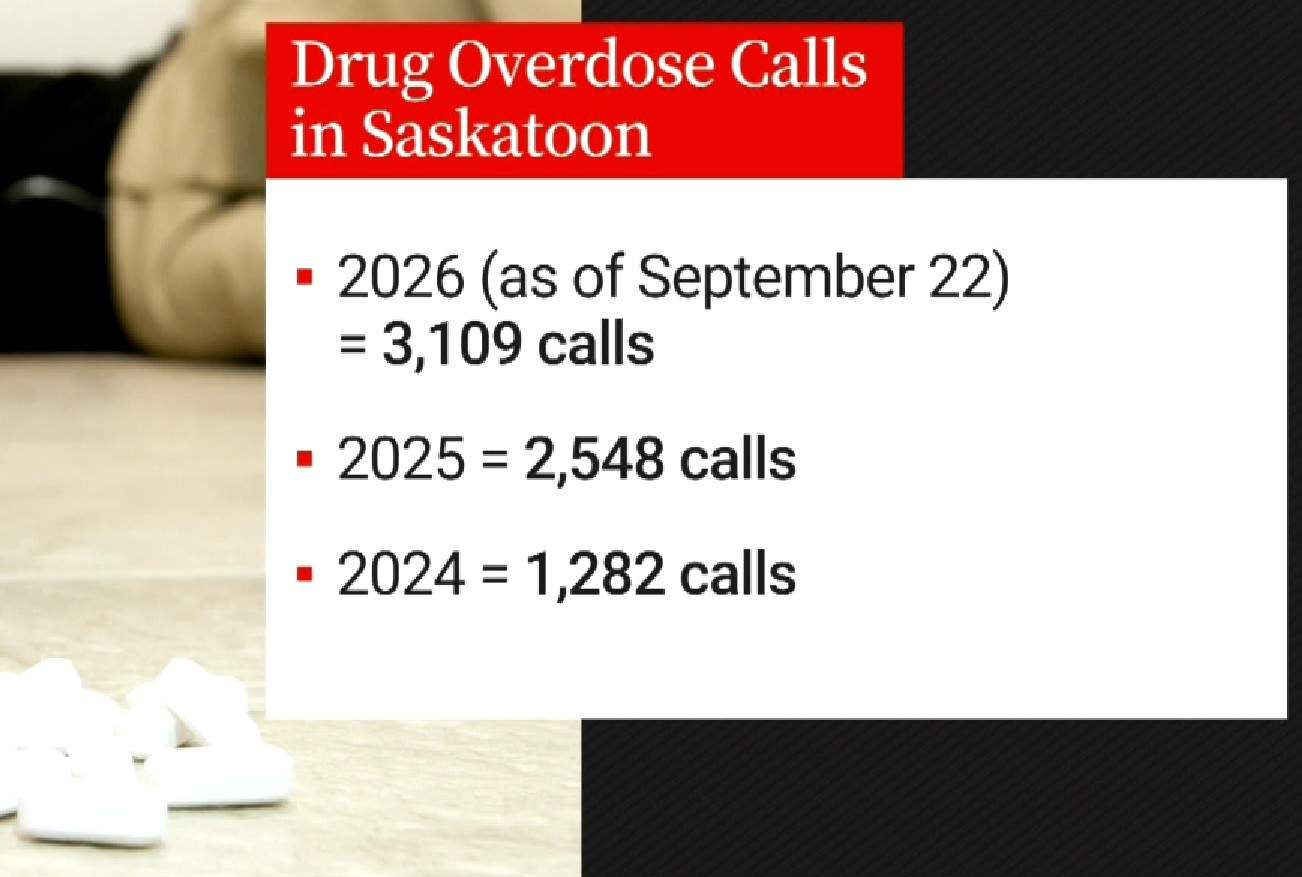
The push for involuntary treatment comes against a backdrop of rapidly worsening addiction statistics. According to the City of Saskatoon, the Saskatoon Fire Department responded to 3,109 overdose calls as of September 22 this year. That figure represents a sharp increase from 2,548 calls in 2023 and 1,282 in 2024.
Recovery advocate Wendy Gore-Hickman has watched the crisis unfold closely. After overcoming her own struggles with alcohol more than two decades ago, she has since helped hundreds of people access addiction treatment. Gore-Hickman argues that many people with severe addictions do not truly want to use substances but continue doing so simply to avoid withdrawal. She strongly supports the new legislation. “99 per cent of people that get into treatment say it was the best thing they ever did for themselves, whether they wanted to go to begin with or not,” she said.
Medical Community Raises Doubts
Not everyone shares Gore-Hickman’s confidence. Brian Salte of the College of Physicians and Surgeons of Saskatchewan says too many questions remain unanswered. “We are really in uncharted waters here,” Salte said.
Salte wants clearer guidance on how tribunals will make decisions to compel someone into treatment. He also stresses that those tribunals need proper training. “There’s going to be a lot of devil in the details, right? We don’t have details, so we feel that it’s really critically important that the tribunals be trained to try to deal with something that nobody’s ever done before,” he added.
Furthermore, Salte says the medical evidence supporting involuntary treatment remains thin. He argues there is simply not enough data to confirm that it produces positive outcomes.
Concerns Over Resources and Consultation
Beyond the question of effectiveness, Salte also worries about resource allocation. He contends that directing funding toward involuntary treatment makes little sense when voluntary treatment already faces serious shortages. “Seems very strange to be allocating resources to involuntary treatments in a scenario where we don’t have sufficient resources for voluntary treatment,” he said.
Salte points to multiple gaps in Saskatchewan’s existing addiction care system. These include too few addiction counselors, a shortage of physicians with relevant expertise, and an insufficient number of treatment facilities.
In addition, questions have emerged about who has had a voice in shaping the new system. The First Nations Health Ombudsperson’s Office says it reached out to the province but has not yet received a response. Ombudsperson Dianne Lafond expressed concern about the lack of communication. “I had my executive assistant send another e-mail. I’m concerned about it. Like, I’m not sure what’s going on actually,” she said. Lafond also stressed that any treatment system must incorporate culturally appropriate care.
The province says it continues to consult with various groups, including an Indigenous wing within the ministry, as it builds out the tribunal structure. Officials expect to release further details about how the Compassionate Intervention Act will function in practice later this fall or in early winter.