English
















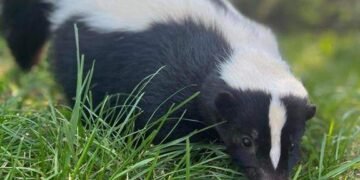






























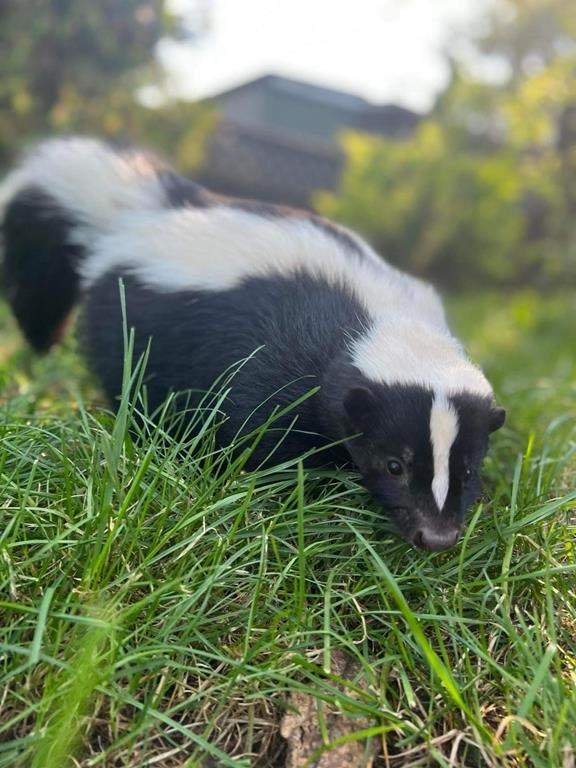
Health authorities in British Columbia have issued a rabies warning for residents in the Kootenay Lake region after a skunk tested positive for the disease. Interior Health and the BC Centre for Disease Control confirmed the case on Thursday, urging anyone who had contact with a skunk in the area to seek medical assessment immediately.
Officials believe the infected skunk was contagious between August 15 and September 4. Although skunk encounters are uncommon, Interior Health says it has already assessed and treated a small number of people who may have faced potential exposure during that period.
Stay connected to every major update — subscribe and follow us on the PhoenixQ website and across our social media platforms.
Who Should Seek Medical Attention
Anyone bitten or scratched by a skunk in the Kootenay Lake region should contact their local public health office right away. Alternatively, they can visit a primary care provider or go to an emergency department. This step is especially important if the contact occurred on or after August 15.
Pet owners should also take action. Interior Health advises that any pet bitten or scratched by a skunk in the region should see a veterinarian as soon as possible.
How Rabies Spreads — and How It Does Not
Rabies is a serious viral infection that attacks the brain and nervous system. It spreads through bites or scratches from an infected animal. However, officials clarified that contact with a skunk’s spray, urine or feces does not transmit the rabies virus in B.C.
According to Interior Health, bats are the only known reservoir of rabies in B.C. This means bats can carry and pass on the disease without showing symptoms themselves. Occasional spillovers to other animal species, such as skunks, have occurred in the province.
Rabies infections in people remain extremely rare in both B.C. and Canada. Nevertheless, officials stress that the disease is almost always fatal once symptoms appear. Fortunately, vaccines administered promptly after exposure can prevent infection entirely.
Signs of a Potentially Infected Animal
Residents should watch for wild animals behaving abnormally. An infected animal may appear disoriented or visibly sick. It may also be active at unusual times of day, show no fear of people, or act aggressively without provocation.
Anyone who spots a skunk or other wild animal displaying these signs should call the BC RAPP line at 1-877-952-RAPP (7277). For more information about rabies prevention and what to do after a bite or scratch from a skunk or bat, residents can visit the BC Centre for Disease Control website.