English





























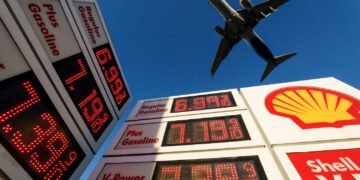


















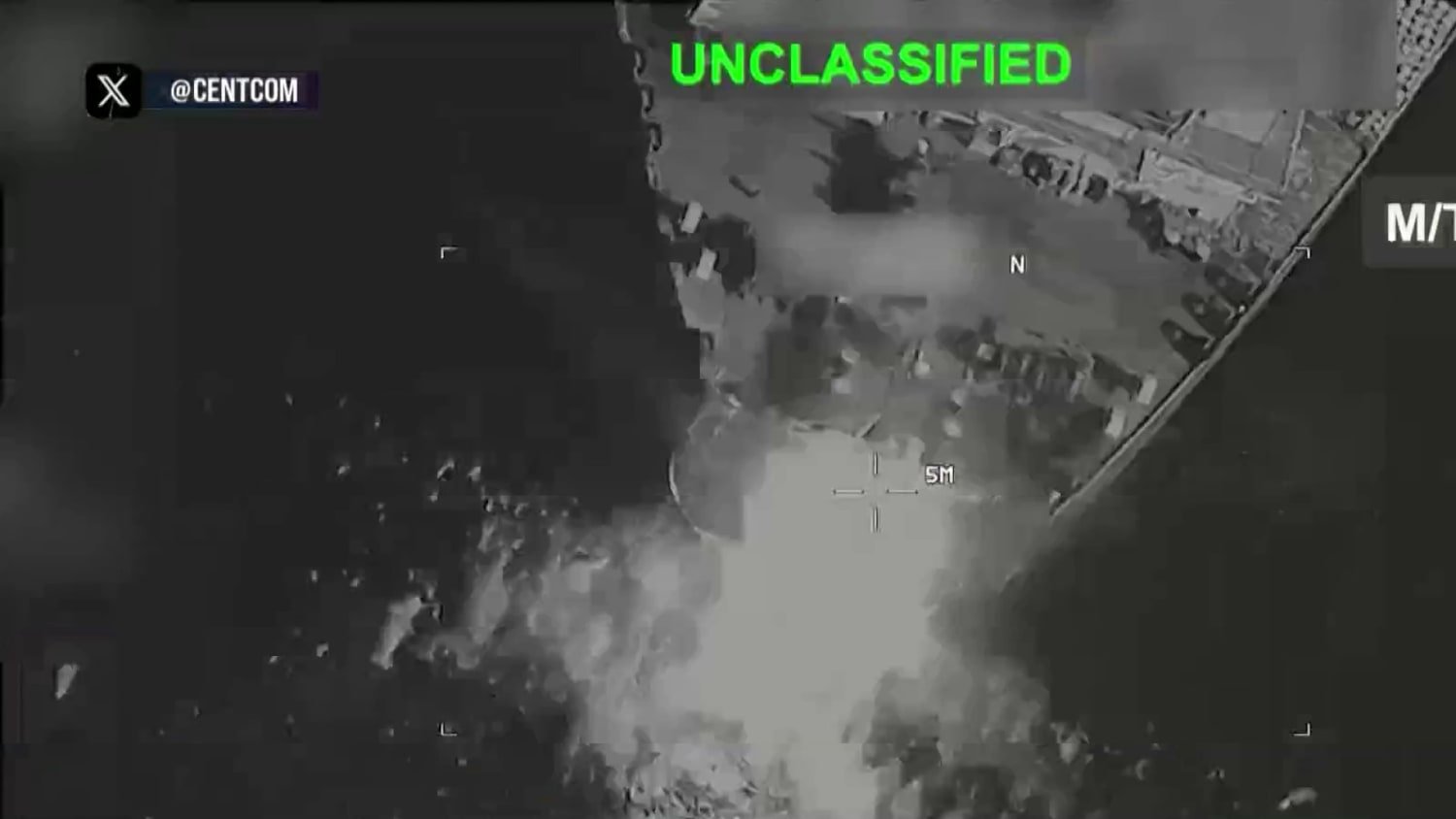
The United States military launched strikes against several Iranian oil tankers on Saturday, destroying the vessels in direct retaliation for Iran firing ballistic missiles at U.S. Navy ships. The escalating confrontation between the two nations has intensified concerns about rising energy costs, as gas prices in the United States continue to climb.
U.S. Military Destroys Iranian Oil Tankers
American forces targeted and destroyed multiple Iranian tankers following the missile attack on U.S. naval vessels. The strikes represent a significant military response and mark a sharp escalation in hostilities between Washington and Tehran.
Stay connected to every major update — subscribe and follow us on the PhoenixQ website and across our social media platforms.
NBC News correspondent Yamiche Alcindor reported on the exchange, noting that the back-and-forth between the two countries is compounding economic pressures already felt by American consumers. The destruction of Iranian oil tankers has added fresh uncertainty to global energy markets.
Gas Prices Rise Amid Escalating Tensions
The military confrontation is contributing to an already difficult economic environment at home. Gas prices have continued to rise as the conflict disrupts oil supply chains and rattles energy markets.
Analysts warn that prolonged military exchanges involving Iranian oil infrastructure could push fuel costs higher in the weeks ahead. American households are already contending with elevated prices, and further instability in the region may deepen that burden.
Broader Context of U.S.-Iran Hostilities
Recent military strikes show a dangerous pattern of escalation between both nations. Specifically, Iranian missile attacks recently targeted U.S. Navy ships. However, President Trump publicly downplayed the severity of the conflict. Indeed, he described a potential war with Iran as “small potatoes” for the United States.
Despite this characterization, the conflict remains serious and volatile. For instance, Iranian oil tankers were destroyed during recent operations. Furthermore, ballistic missiles were fired at American naval assets. Consequently, the situation continues to develop rapidly. Officials and analysts are now closely watching the military and economic fallout.
In addition, these U.S. strikes occur during a period of widespread global instability. Multiple international flashpoints currently demand American diplomatic and military attention. Meanwhile, officials have not indicated whether further retaliatory action is planned. Nevertheless, the rapid pa