English



































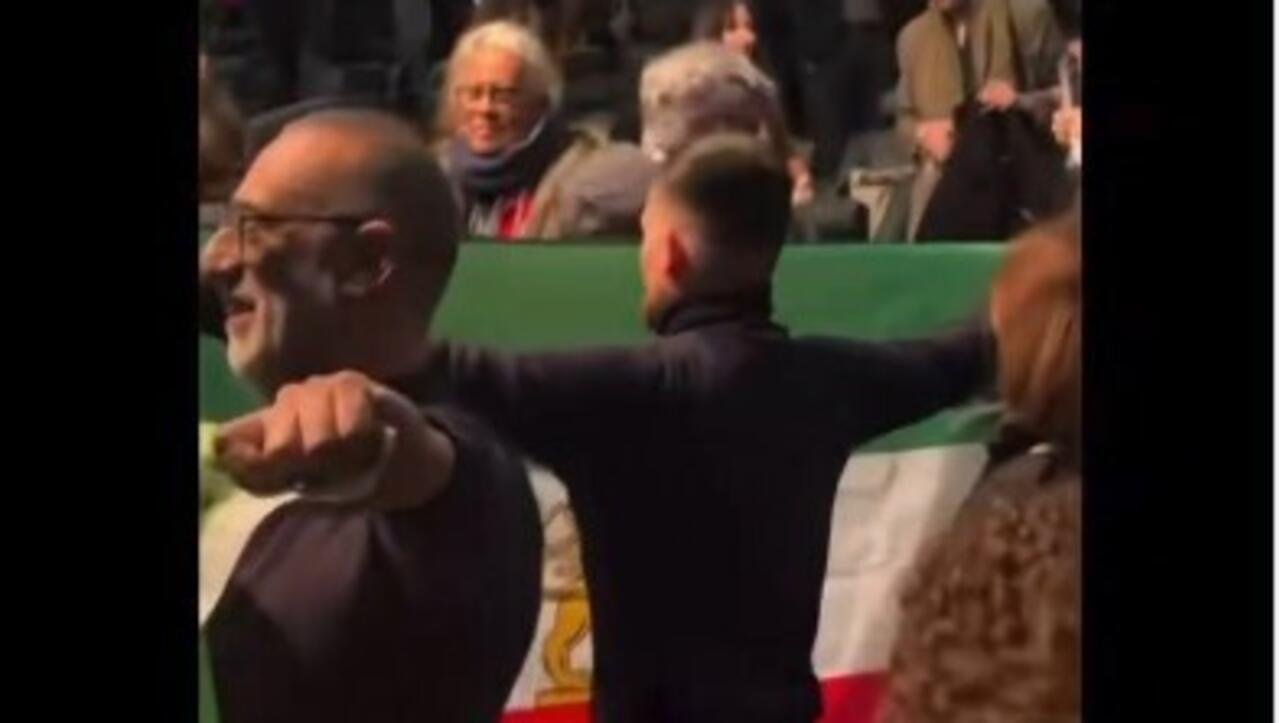
Deep divisions within Iran’s diaspora community spilled into public view in Paris on Wednesday, when monarchist activists disrupted an event designed to highlight the struggles of Iranian women. The incident has reignited a bitter feud between supporters of the deposed shah and left-wing opponents of the Islamic Republic.
Rally Disrupted at Paris Cultural Venue
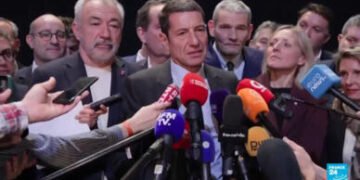
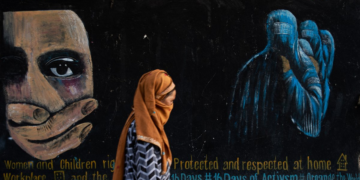
The event took place at the Arab World Institute and attracted French Foreign Minister Jean-Noël Barrot. Organizers planned it to mark the international day to eliminate violence against women. Their goal was to amplify the voices of women living inside Iran.
Stay connected to every major update — subscribe and follow us on the PhoenixQ website and across our social media platforms.
However, social media videos showed audience members rising during debates and brandishing the lion-and-sun flag associated with the late Shah Mohammad Reza Pahlavi. Demonstrators chanted “long live the shah!” and expressed support for his son, US-based opposition figure Reza Pahlavi.
Among those chanting was Paria Ahmadi, sister of singer Parastoo Ahmadi. Parastoo Ahmadi drew international outrage this week after authorities flogged her for performing without the Islamic hijab. Paria Ahmadi took to the stage and called for Reza Pahlavi to return to Iran.
Competing Accusations Divide Iranian Opposition
Reza Pahlavi’s communications director, Tina Ghazimorad, defended the disruption on X. She argued the event had catered only to a specific political faction and excluded other voices.
In contrast, Paris-based lawyer Chirinne Ardakani called the disruptions a “serious incident.” Ardakani, whose clients include Nobel Peace Prize winner Narges Mohammadi, accused the activists of “violence, intimidation and taunting” directed at left-wing attendees.
Film director Sepideh Farsi described the incident as “lamentable.” She said it reflected tensions that have long existed within the Iranian diaspora. Meanwhile, the France-based pro-monarchist group Association Femme Azadi accused left-wing activists of “hijacking the struggle of the Iranian people.”
Broader Divisions Within the Diaspora
Iranian Foreign Minister Abbas Araghchi dismissed the Paris events as a “circus.” He told Barrot to focus on freedom of expression for Iranians in France before commenting on rights inside Iran. Barrot responded on France 5 TV, saying the event existed so “Iranian voices can express themselves freely — something they cannot do in today’s Iran.”
Analysts noted the incident exposed long-standing fractures among diaspora opponents of Iran’s clerical leadership. French academic Clément Therme, who recently authored a book on Iran’s future, told AFP that opposition groups broadly agree on the need for regime change. However, they sharply disagree on how to achieve it.
“Is one ready to pay the price of war and ally with foreign powers to have a change of regime, or prefer to see it collapse from within?” Therme said.
The Paris confrontation came roughly nine months after the killing of Supreme Leader Ayatollah Ali Khamenei in a US-Israeli strike on February 28, an event that sparked wider conflict across the Middle East. Observers say the millions-strong Iranian diaspora has long struggled to unite, often spending more energy on internal disputes than on opposing the clerical government in Tehran.