English





































“Editor-in-Chief: SHAPOUR-T”
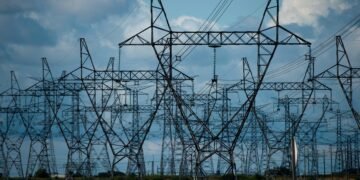
The Iran-US war is no longer just a conflict involving Iran, America and their allies. The crisis has become a global issue. The Strait of Hormuz, oil markets, European and Chinese economies, US investment and American elections are now closely connected.
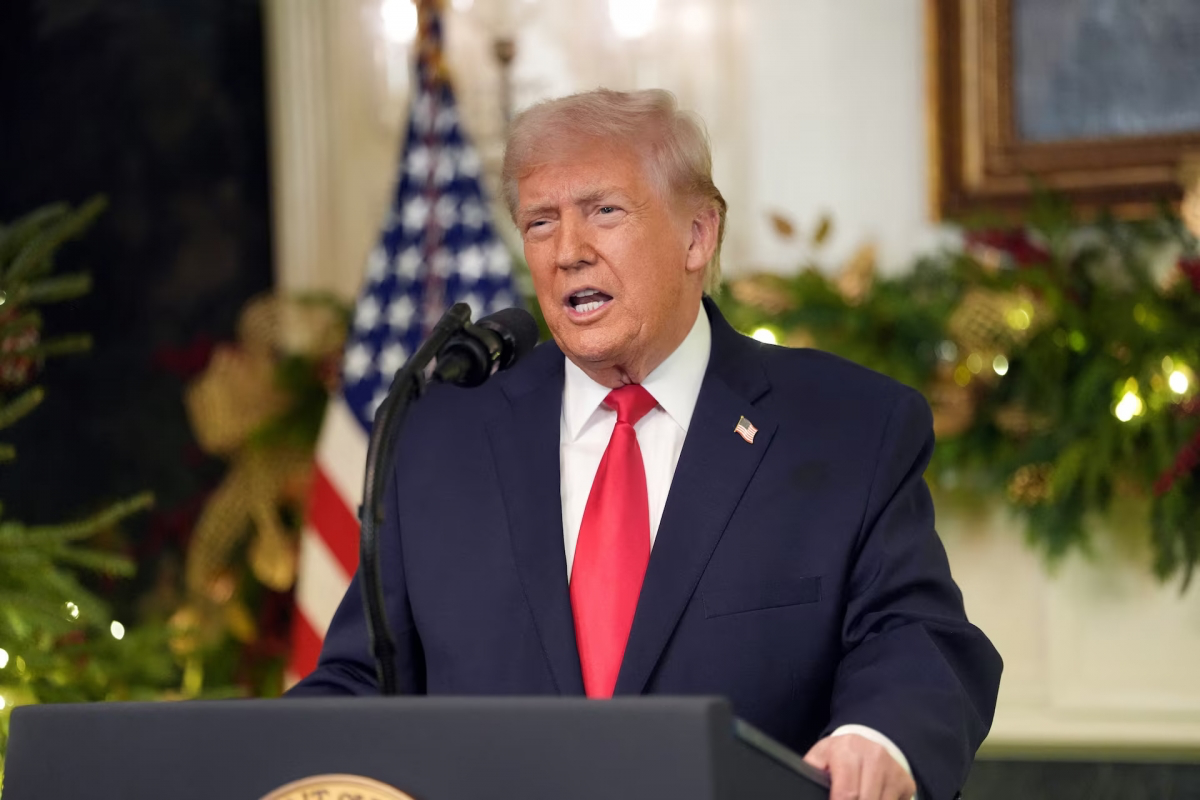
Meanwhile, the Iranian people have become the war’s biggest losers. They face the human cost of conflict and mounting economic pressure. A government without broad public support ultimately transfers the cost of its policies to ordinary people. The United States, however, could gain political and economic advantages from a prolonged crisis. In the writer’s view, Donald Trump differs sharply from the image often presented by his critics. He has shown an ability to turn uncertainty and disruption into political leverage.
The Strait of Hormuz A narrow passage with global consequences
The Strait of Hormuz remains one of the world’s most important energy chokepoints. Large volumes of Gulf oil and gas pass through the waterway.
Therefore, any disruption can quickly affect global energy markets. Rising risks can also increase insurance and shipping costs. Iran has used the Strait of Hormuz as a source of political pressure. The United States, meanwhile, seeks to maintain a dominant security role around the waterway.
As a result, Hormuz has evolved from a commercial passage into a major instrument of geopolitical power.
Why could a prolonged Iran US war benefit Trump?
Trump does not necessarily need a quick military victory to gain from the crisis. On the contrary, a controlled and prolonged confrontation could create additional opportunities for Washington. First, an energy crisis could increase other countries’ dependence on US maritime security. Second, investors could move more capital toward the American economy. During periods of instability, global investors often seek safer markets. The United States remains one of the world’s principal destinations for international capital.
From this perspective, the crisis could offer Washington more than military leverage. It could also strengthen America’s economic position.
Is Trump deliberately portraying Iran as more powerful?
This question sits at the heart of this analysis. Trump has repeatedly placed Iran’s capabilities and threat at the center of his statements. That approach could also serve a broader political purpose. If Iran remains portrayed as a major threat, America’s regional presence becomes easier to justify. Washington’s allies may also become more dependent on US security guarantees. From the writer’s perspective, Trump could use the perceived Iranian threat to connect global economic and political calculations to the Iran crisis. In that scenario, America would not simply confront Iran. Washington would also gain greater influence over energy security, trade routes and international investment.
This remains an analytical interpretation. Proving a deliberate hidden strategy would require independent evidence.
Iran’s economy Pressure on society, not only the government
Iran’s economy faced deep structural problems before the war. Inflation, currency weakness, sanctions and declining purchasing power had already hurt millions. The war has intensified those pressures. Higher transportation costs and weaker exports can create additional economic strain. Inflation is therefore more than an economic statistic. It directly affects food, housing, healthcare and education. Ordinary Iranians also bear the human cost of the conflict. Civilian deaths and increased security pressure add another burden to society.
For these reasons, Iran’s population can reasonably be described as the war’s biggest loser.
Gulf states Between opportunity and danger
The Arab Gulf states face a complicated situation. Higher oil prices can increase revenues for energy exporters. However, a prolonged conflict threatens ports, energy infrastructure and commercial shipping routes. Saudi Arabia, the United Arab Emirates and Qatar therefore cannot focus only on higher oil revenues. Regional stability remains crucial to their economies. These countries could gain from stronger energy prices. At the same time, prolonged warfare could threaten investment and regional trade.
Russia A beneficiary of higher oil prices
Russia is among the countries that could benefit from higher oil prices. Moscow relies heavily on energy revenues to support its economy and military spending. Higher crude prices could therefore ease some pressure from Western sanctions. Russia could also benefit politically from greater European uncertainty. A weaker European position could give Moscow additional room for diplomatic maneuvering.
However, a prolonged Gulf conflict also carries risks for Russia. Major changes in energy markets can produce unpredictable consequences.
Europe and China The biggest economic losers after Iran
Europe stands among the major economic losers from the crisis. European economies depend heavily on imported energy and international trade. Higher energy prices increase production costs. European industries could consequently face additional pressure. China also faces significant risks. Its economy depends heavily on energy, exports and maritime trade. Long disruptions to energy routes could raise Chinese production and transportation costs. Beijing therefore has a strong interest in restoring regional stability.
America Turning crisis into opportunity
The United States occupies a different position. It remains both a major energy producer and a central destination for global capital. Greater energy insecurity could strengthen the position of American energy producers. At the same time, investors could shift more assets toward the United States. Trump has repeatedly promoted the return of investment and manufacturing to America. From this perspective, an external crisis could support parts of his domestic economic strategy.
The war, therefore, is not simply a security issue for Washington. It could also become an instrument for strengthening American economic influence.
US elections A crucial factor in Trump’s calculations
American elections remain closely tied to economic and security issues. Fuel prices, inflation and financial markets can influence voters. Trump cannot absorb a major rise in energy prices without facing political consequences. He must therefore balance pressure on Iran with the economic impact on Americans. At the same time, projecting strength against Iran could appeal to part of the American electorate. The Iran crisis could consequently become an important issue in US domestic politics.
Trump Turning uncertainty into political leverage
Trump often presents himself through confrontational, unpredictable and sometimes deliberately provocative rhetoric. Yet that behavior may form part of his political method. By changing positions abruptly, he can make it harder for rivals to predict his next move. Opponents may struggle to determine whether his next step will involve military, economic or diplomatic pressure. That uncertainty can complicate the decision-making process for other governments. Trump can then turn ambiguity into a bargaining tool.
In the writer’s view, the ultimate objective may not necessarily involve destroying the Iranian government. It could instead involve creating an international order in which America controls more strategic leverage.
Who really loses?
If the Iran US war continues, the list of losers could become much longer. The Iranian people remain the biggest losers. They face war, repression and the destruction of their purchasing power. Europe faces higher energy costs and greater trade insecurity. China confronts increased energy and transportation expenses. Gulf states could earn more from oil while facing greater security risks. Russia benefits from higher oil prices. Yet America could gain from the crisis in ways that extend beyond the energy market.
A war over oil or a struggle over the global order?
The central issue may no longer involve only Hormuz or Iran’s nuclear program. The current crisis could form part of a much broader struggle over the future structure of global economics and politics. If America increases its influence over energy security, maritime routes and international capital, Washington’s bargaining power will grow. From this perspective, Trump is trying to force the world to make choices involving security, energy and American economic power.
A prolonged crisis therefore does not necessarily represent failure for Trump. If Washington can keep the crisis contained, it could become a tool for reshaping global power. Yet one major danger remains. A war that continues too long could eventually escape everyone’s control. Ultimately, the key question is not simply who wins on the battlefield. The more important question is who shapes the world that emerges afterward.
And one bitter reality remains: ordinary Iranians have the least influence over decisions about the war, yet they bear its greatest costs.