English



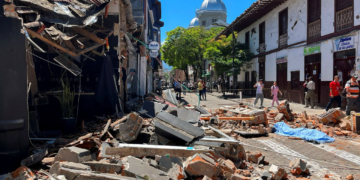










































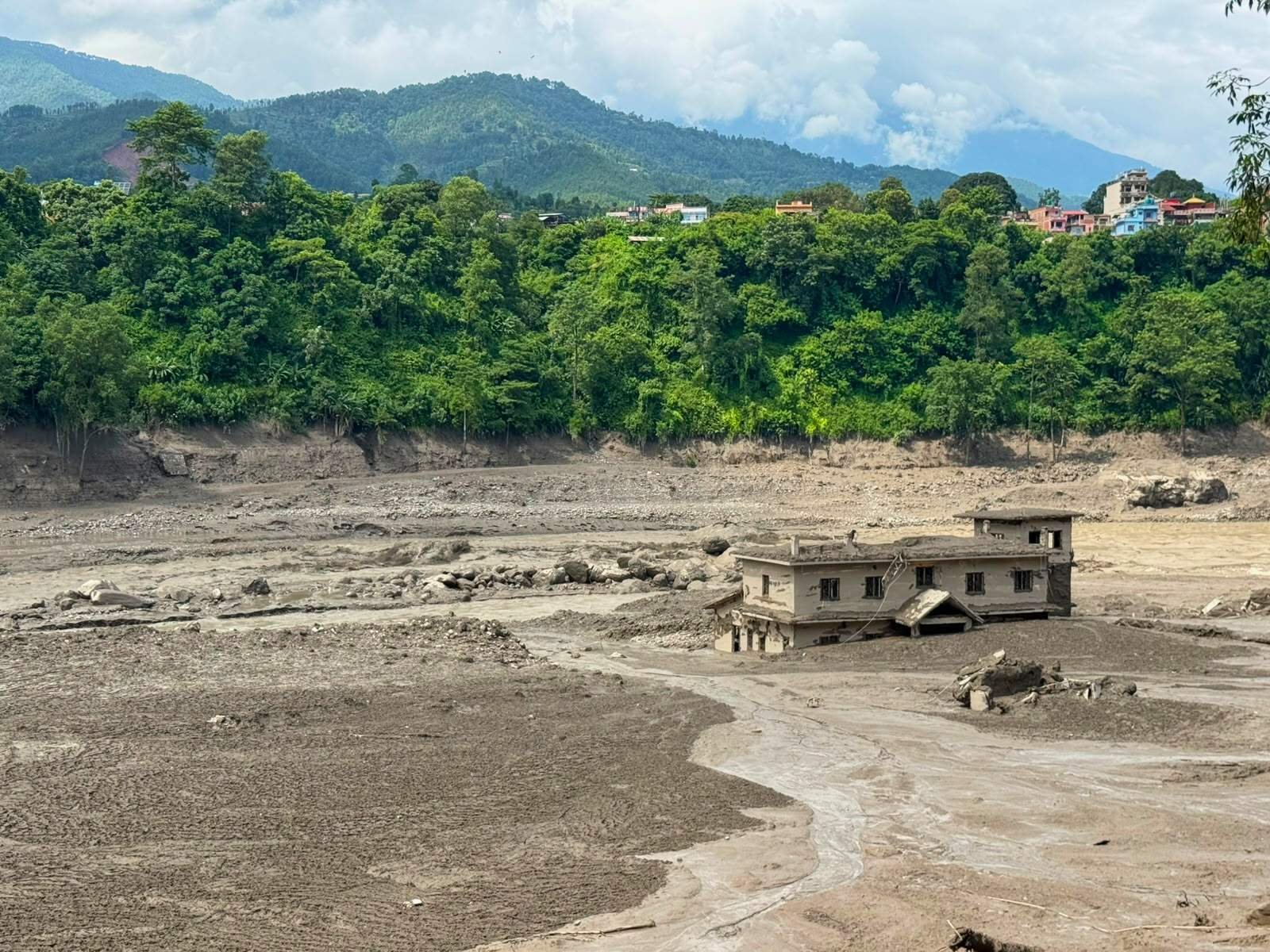
Ten residents of Toronto are among those missing following catastrophic flash floods and mudslides in Nepal, according to the Isha Foundation, a spiritual organization based in India. The disaster has now claimed more than 500 lives, with approximately 1,500 people still unaccounted for across the affected region.
The Isha Foundation confirmed that the ten Toronto residents arrived at the Nepal-China border just minutes before the flooding struck. The group reached the Chinese Immigration Centre at 9:05 a.m. local time — nearly the same moment the disaster began — and authorities have since listed them as missing.
Stay connected to every major update — subscribe and follow us on the PhoenixQ website and across our social media platforms.
Scale of the Disaster
Global Affairs Canada previously reported that at least 30 Canadians were missing near the Nepal-China border. China’s state media separately confirmed that 558 people were unaccounted for on the Chinese side of the border alone.
Among the missing are foreign nationals who had traveled to the area for work, trekking or religious pilgrimage to a sacred Himalayan peak. The sheer scale of the catastrophe has complicated rescue and recovery efforts across the remote mountain region.
A Glacier Collapse Triggered the Catastrophe
Investigators believe a glacial collapse set off the deadly chain of events high in the Himalayas. The U.S. Geological Survey recorded a magnitude 5.2 seismic event near the Nepal-Tibet border on August 26 at 8:37 a.m. local time.
Authorities initially classified the event as an earthquake. Further analysis, however, determined that a collapsing glacier caused the seismic activity, sending a massive debris flow downstream with catastrophic consequences.
Scientists Warn of Growing Glacier Instability
Kent Moore, a professor of atmospheric physics at the University of Toronto, described the destructive force involved. “It is biblical — the amount of power when we get ice falling large distances,” he said. “The amount of kinetic energy is really enormous. And when it hits the water, it just produces these incredible floods downstream.”
Moore explained that rising temperatures are weakening the bond between glaciers and the rock faces they cling to. “A lot of these glaciers are what are called hanging glaciers, and so they’re kind of on very steep slopes and they’re frozen onto the rock,” he said. “As the area warms, that adhesion with the rock is becoming less strong, and so there’s a greater tendency for these avalanches to occur.”
The Nepal floods disaster underscores the growing threat posed by glacial instability in high-altitude regions as global temperatures continue to rise. Rescue operations remain ongoing as authorities work to account for the hundreds still missing on both sides of the border.