English




























Concerns about racism and anti-immigrant hostility are intensifying across Alberta as the province prepares for a landmark referendum on October 19, with community leaders, academics and police all pointing to a troubling rise in hate incidents targeting newcomers, Muslims and Sikhs.
Hate Comments and Real-World Violence Alarm Communities
Saima Jamal, co-founder of the Calgary Immigrant Support Society, says the hostility she now witnesses is unlike anything in her nearly 30 years of living in Alberta. Scrolling through comments posted ahead of a Muslim community event in Calgary, she encountered messages urging people to “plow into them” and calling for arrests and deportations.
Stay connected to every major update — subscribe and follow us on the PhoenixQ website and across our social media platforms.
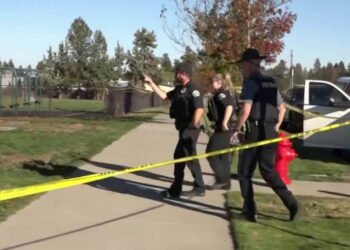
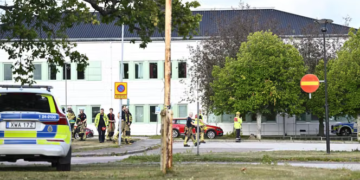
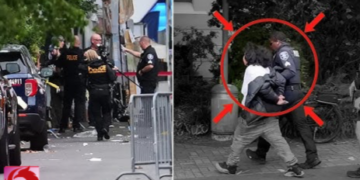
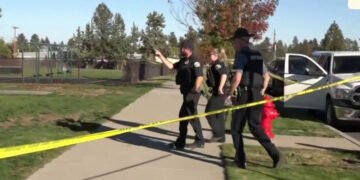
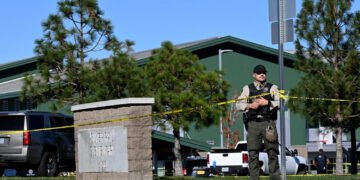
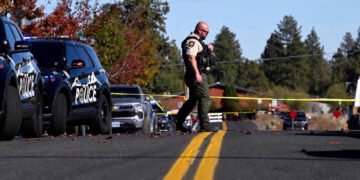
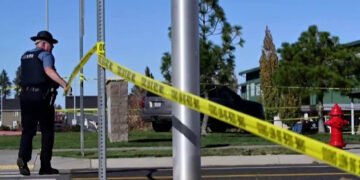
The threatening remarks appeared on a post promoting Calgary’s Muslim Heritage Day festival. Calgary police found no credible threat to public safety but deployed uniformed officers to the event as a precaution. The festival took place just one day after two men were stabbed at a Sikh temple in Edmonton — an attack that police are still investigating as a possible hate crime.
“Right now racism and hate is on steroids and I’ve never seen this level of hatred toward immigrant communities,” Jamal said. “Muslim communities, Indians, anyone that is wearing a turban.”
Sikh community leaders say anti-Sikh sentiment in Alberta has been growing for some time, particularly in online spaces. Harman Kandola, Alberta regional president for the World Sikh Organization of Canada, described the Edmonton temple stabbing as a deeply alarming escalation. “When you see that hate leave social media and come into the real world where actual injuries have happened, it is extremely, extremely shocking,” he said.
Police Data Reflects Surge in Hate Incidents
Official statistics support what community members are reporting on the ground. Edmonton police recorded 139 hate incidents and 43 hate crimes so far in 2026. In Calgary, police reviewed 272 suspected hate crime or incident reports this year and confirmed 44 as hate-motivated following investigation, with newcomers and immigrants identified as the most frequent targets.
Following the Sikh temple attack, Edmonton Police Chief Warren Driechel publicly acknowledged the broader climate driving local tensions. “I see the heightened geopolitical tensions and increasing polarization around the world showing up locally,” he said on August 21.
Referendum Questions Fuel Divisive Debate
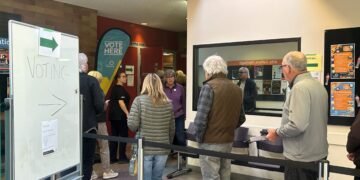
On October 19, Albertans will vote on 10 referendum questions put forward by the provincial government. Five of those questions directly address immigration policy. One asks whether Albertans support the provincial government taking greater control over immigration to reduce it to “more sustainable levels” and prioritize economic migrants. Another asks whether only Canadian citizens, permanent residents and provincially approved immigrants should qualify for publicly funded services such as healthcare and education.
Albertans will also vote on whether to hold a future referendum on whether the province should remain in Canada or begin a legal process toward separation.
University of Alberta political science professor Jared Wesley argues the referendum debate is actively contributing to the hostile climate. “It is entirely predictable when you table a series of referendum questions about the future treatment of immigrants in Alberta society that the conversation would not be simply limited to economic questions,” he said.
Wesley’s concern is not only about where the debate is headed, but where it already stands. He believes the separation movement, for many of its supporters, carries a vision of an Alberta that is predominantly white and Christian — a conclusion he draws from two years of attending rallies, town halls, surveys and focus groups.
Separatist Movement Draws Scrutiny Over Racial Undertones
“Whether that’s on purpose or whether that is subconsciously being projected, those are the types of messages that you see when you’re in separatist chat rooms or in different corners of social media or even at rallies,” Wesley said.
Wesley specifically noted that Alberta Prosperity Project events frequently open with a Christian prayer, and that chief organizer Mitch Sylvestre has made remarks about being “in a room full of white folks that are not ashamed of being white.” Wesley also said white replacement theory — a conspiracy theory linking immigration and so-called open borders to the displacement of white communities — surfaces regularly at these gatherings. Global News contacted Sylvestre for a response to Wesley’s research, but he did not reply.
The Alberta government firmly rejected any connection between the referendum questions and rising anti-immigrant sentiment. Sam Blackett, director of media relations and press secretary to Premier Danielle Smith, called such suggestions false. “Any accusation that the referendum questions on sustainable immigration constitute racism is false and inflammatory,” Blackett said. “These questions simply address the current unsustainable immigration levels in Canada that are putting real pressure on critical public services.”
The government also said the questions reflect feedback gathered from Albertans during the Alberta Next town hall consultations. Community advocates and researchers, however, say the real-world consequences of the anti-immigration rhetoric are already visible — in threatening online posts, in police statistics and in the blood spilled at an Edmonton temple.