English















































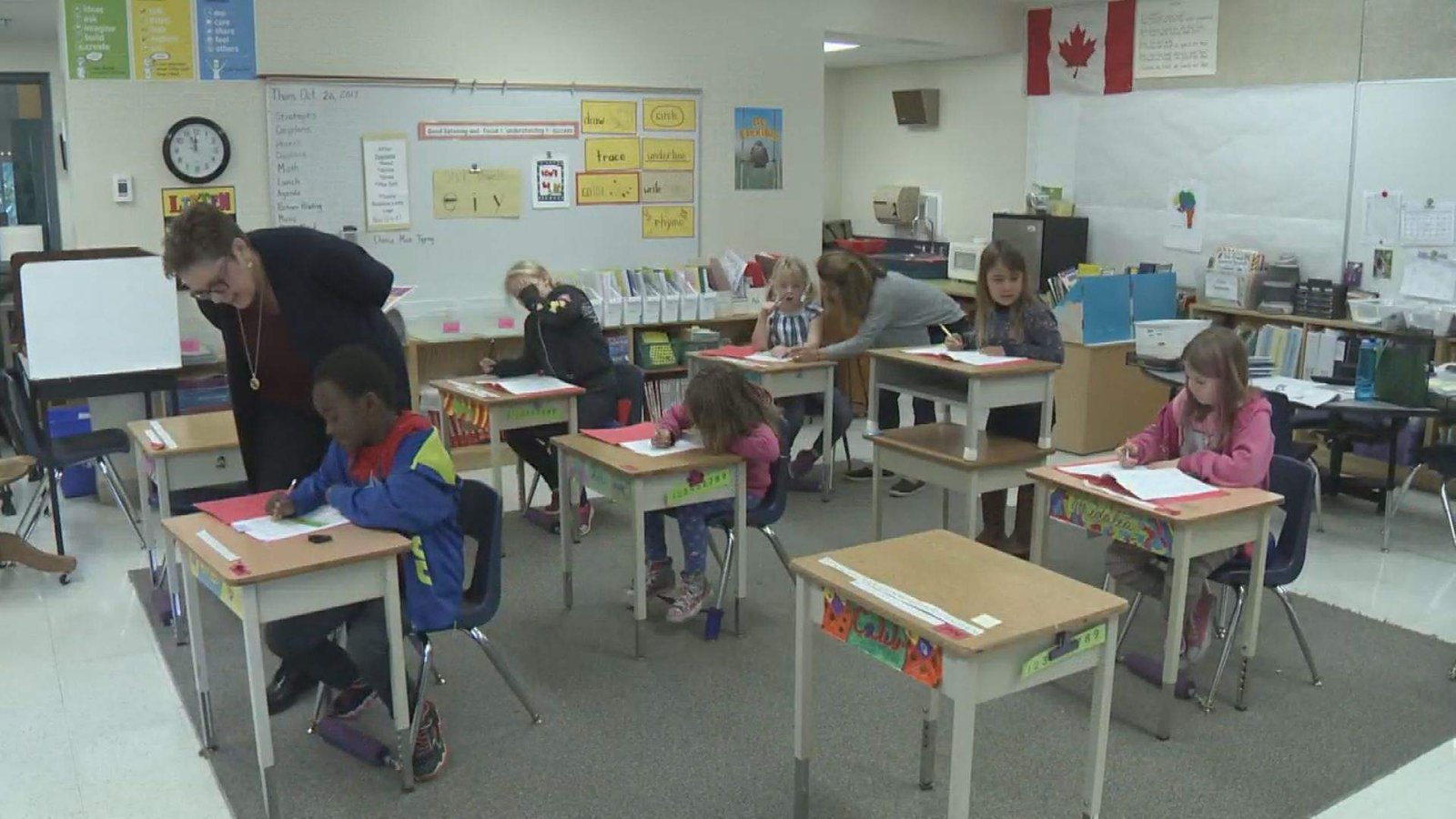
Vancouver has become home to Canada’s first permanent centre dedicated to dyslexia, offering direct support to families and equipping educators with the tools they need to better serve students with learning differences.
The Centre for Dyslexia, now established in Vancouver, aims to close critical gaps in awareness and support that leave many children struggling in classrooms without understanding why. Neil Johnston, CEO of the Centre for Dyslexia, says the scale of the problem is significant. “About 20 per cent of the population has dyslexia, 80 per cent go undiagnosed,” Johnston told Global News.
Stay connected to every major update — subscribe and follow us on the PhoenixQ website and across our social media platforms.
A Condition That Goes Far Beyond Reading
Dyslexia affects how the brain processes information. While many people associate it primarily with reading and writing difficulties, Johnston explains that it can also affect executive functioning and mathematics.
Children without an early diagnosis face severe impacts. Specifically, the consequences extend well beyond academic performance. In fact, Johnston clearly describes this emotional toll. “These kids aren’t having a good school experience,” he said. Furthermore, he noted that they are in distress. Indeed, they do need support. Consequently, they don’t understand why the system isn’t helping them.
The Vancouver centre will deliver programs and services directly to families. It will also work alongside teachers and school districts across British Columbia to build stronger, more consistent support structures for dyslexic students.
Early Identification Is a Key Priority
One of the centre’s central goals is catching struggling students as early as possible. Johnston acknowledges that formal diagnoses can involve long wait times and significant costs for families. Screening offers a faster alternative, helping identify children who are falling behind with reading and pointing toward the support they need.
Johnston draws on established reading research to explain the urgency. “The science of reading tells us how kids learn to read best,” he said. “From K to 3, kids learn to read. And from Grade 4 onwards, they’re reading to learn. So we’ve got to catch them early.”
Supporting Teachers Alongside Students
Johnston is careful to emphasize that teachers are not the problem. The issue, he argues, is that the system has not given them adequate preparation. “We have amazing teachers,” he said. “They’re so committed and dedicated to what they do and they’re great at it, but we haven’t set them up for success.”
The Centre for Dyslexia already works with school districts and delivers programs both in person and virtually across British Columbia. Its longer-term ambition is to help schools build their own internal capacity to support dyslexic learners independently.
Johnston notes that British Columbia has made meaningful progress in recent years, including greater recognition of dyslexia at the provincial government level. However, he is clear that more work remains ahead.
A Message for Parents
For parents who notice their child struggling at school, Johnston urges them not to dismiss the signs or wait. He acknowledges how difficult that experience can be for families. “That’s heartbreaking as a parent,” he said. “We’re here to help. So come see us.”
The opening of Canada’s first permanent dyslexia centre in Vancouver marks a significant step toward ensuring that students with learning differences receive the early support and understanding they need to thrive in school.