English










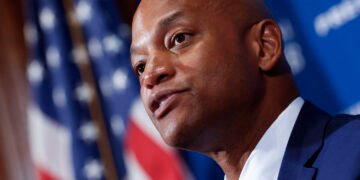






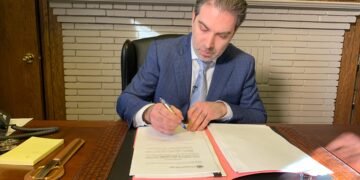


















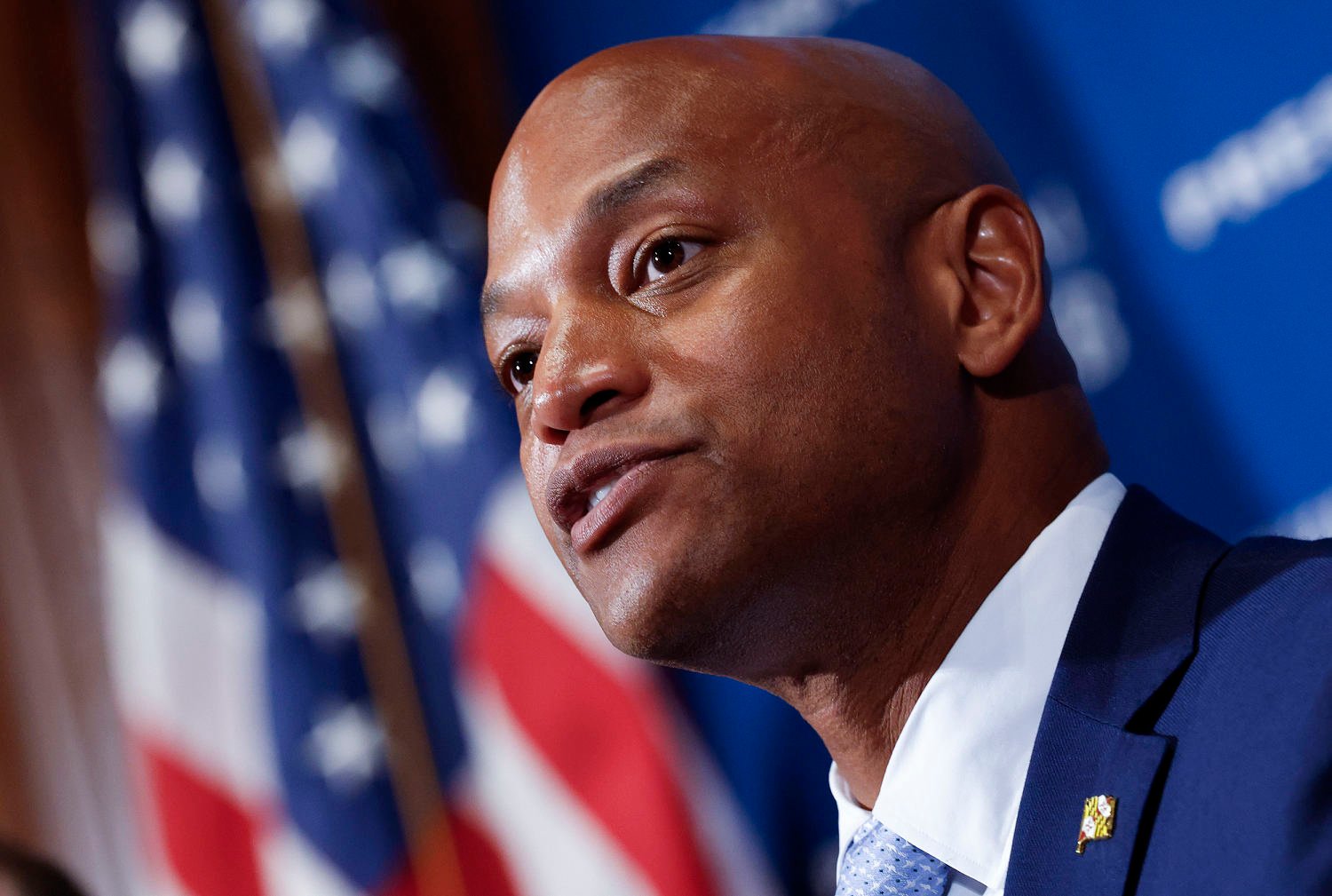
Maryland Governor Wes Moore is pushing hard for voter approval of a ballot measure that would allow Democrats to redraw the state’s congressional district lines. The proposal, known as Question 3, would remove a constitutional requirement that congressional districts follow natural geographic boundaries such as the Chesapeake Bay. Moore and his allies are framing support for the measure as a direct response to Republican redistricting efforts across the country. However, recent polling suggests the campaign faces an uphill battle, raising questions about Moore’s political influence ahead of a widely anticipated 2028 presidential run.
Ballot Measure Faces Unexpected Resistance
A poll released this month by the University of Maryland, Baltimore County found that 53% of likely Maryland voters plan to vote against Question 3. Opposition cuts across party lines. The survey found that 42% of Democrats, 74% of Republicans and 59% of unaffiliated voters intend to vote no.
Stay connected to every major update — subscribe and follow us on the PhoenixQ website and across our social media platforms.
Mileah Kromer, director of the UMBC Institute of Politics, told NBC News that the results point to a deeper concern among voters. “Do people want district lines to favor one party over the other? And most Marylanders don’t like that idea,” she said. Kromer noted that her survey used plain language rather than the legal wording that appears on the actual ballot, and still found broad opposition.
Kromer also suggested that the limited political gain plays a role. Unlike California, where a similar measure last year helped Democrats gain advantages in five congressional seats, Maryland’s redistricting effort would likely yield only one additional Democratic seat. “Certainly there are a lot of Democrats who want to see some fighting back against President Trump but maybe don’t believe that redrawing congressional district lines just to favor their outcome is the way they’d like to do it,” she said.
A National Redistricting Battle
The Maryland measure is part of a broader national fight over congressional maps. California passed a similar redistricting measure last year, overriding its independent redistricting commission shortly after Texas redrew its own maps to benefit Republicans in five additional seats. Those moves triggered further redistricting efforts in several other states this year. Some red states successfully redrew their maps, while others still face legal challenges.
Maryland Democrats initially tried to redraw congressional districts in 2021. However, a state judge struck down that map in 2022. Democrats argued the map failed partly because of constitutional requirements tied to natural geographic boundaries. Question 3 aims to eliminate those requirements first, clearing the path for a new map.
The effort stalled earlier this year when state Senate President Bill Ferguson, a fellow Democrat, blocked the push. Ferguson argued the proposal lacked majority support in his chamber. In August, he helped convene a special session that placed the question before voters instead. Maryland’s Supreme Court later allowed the measure to appear on the ballot after judges rewrote its wording following a legal challenge.
Moore and Allies Ramp Up Spending
After the UMBC poll showed weak support, Moore and his allies moved quickly to boost the campaign. Fight Back MD, a group backing the measure, spent $550,000 on television ads this month urging voters to support Question 3, according to AdImpact. Moore’s own campaign shifted its advertising focus away from his re-election bid and toward promoting the ballot measure.
Last week, Moore’s campaign released an ad featuring several Democratic state leaders urging a yes vote, backed by a $700,000 investment. On Monday, the campaign spent an additional $500,000 on a television and digital ad featuring former President Barack Obama encouraging voters to support Question 3.
Despite the spending push, fundraising for the measure has proven difficult. Some donors have hesitated because Ferguson has not publicly or privately committed to pursuing redistricting during next year’s legislative session, even if the measure passes. A Democratic operative familiar with the pro-Question 3 campaign confirmed that Ferguson’s silence is discouraging potential contributors.
Ferguson’s communications director, David Schuhlein, told NBC News that the Senate president is currently focused on retaining and expanding Democratic seats in the state Senate. “That’s where most of his efforts have been focused from the primary till now,” Schuhlein said.
Implications for Moore’s Political Future
Moore has repeatedly downplayed talk of a presidential run. Last year, he told NBC News’ “Meet the Press” that he was not running for president and was focused on his re-election. However, his frequent out-of-state travel has kept speculation alive. During a gubernatorial debate this month against Republican opponent and former state Delegate Dan Cox, Moore declined to commit to serving a full second term if re-elected.
Republicans in Maryland argue that Moore is pushing redistricting to strengthen his national political profile. A digital video from the state’s conservative Freedom Caucus claimed that full Democratic control of all eight congressional districts would serve as “a trophy for his run at the White House.”
Some of Moore’s allies, however, dismiss the idea that a failed ballot measure would seriously damage his presidential prospects. “I just cannot imagine people caring that much about this outside Maryland,” one national Democratic strategist told NBC News. “He has a great record to talk about on issues people care about. ‘You didn’t knock off Andy Harris’ is not going to be an issue in early Democratic presidential primary states.”
Michael Hanmer, director of the Center for Democracy and Civic Engagement at the University of Maryland, offered a more cautious view. He told NBC News that average voters outside Maryland are unlikely to focus on the redistricting outcome. However, he warned that political opponents would use a defeat against Moore. “They’re going to say: ‘Look at the makeup of your state. You couldn’t get this? It was just one; you couldn’t flip one?'” Hanmer said. He also predicted that redistricting could become a dividing line among potential 2028 Democratic candidates, particularly governors, given how closely aligned many of them are on major policy issues. “Gov. Moore is an extremely skilled politician,” Hanmer added. “I am sure he will have a response, but I would be surprised if redistricting is not something that others bring up — if they were successful and he was not.”