English
















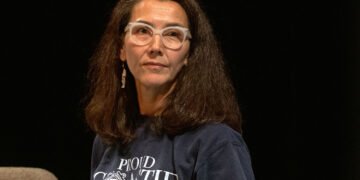




























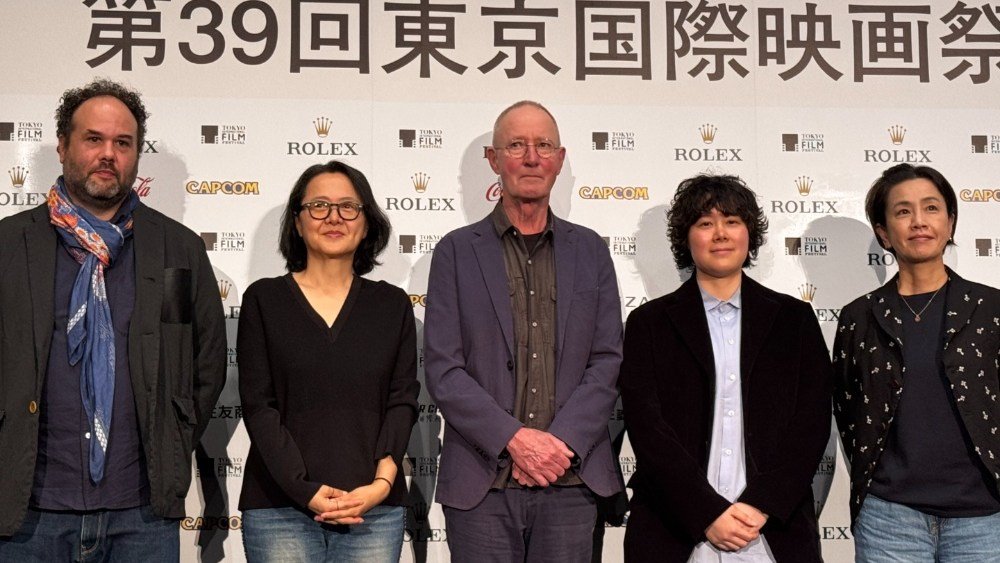
Australian filmmaker Rolf de Heer says FIAPF’s formal recognition of Tokyo as an A-list film festival is unlikely to change much about the event itself. De Heer, the director of Bad Boy Bubby and Ten Canoes, shared his thoughts at the jury press conference for the 39th Tokyo International Film Festival on Tuesday.
Tokyo Already Carried A-List Status, Jury Chief Says
Speaking to reporters, de Heer said Tokyo had long been regarded as a top-tier festival by those who regularly attend such events. “Tokyo was effectively an A festival,” he said. “And so in that sense, I don’t think it makes a lot of difference.”
Stay connected to every major update — subscribe and follow us on the PhoenixQ website and across our social media platforms.
However, he acknowledged that official classification may carry some practical weight. He noted it could help festivals attract higher-quality films. “It may help that it is officially now again A,” he said, “but I don’t think it changes the festival so much.”
In March, FIAPF — the international federation of film producers’ associations — overhauled its accreditation system. It replaced four separate categories with a single A-list designation and named 17 festivals to the list. The term “A-list” had already been widely used informally across the industry. Festivals named to the list include Cannes, Berlin, Venice, Toronto, Busan, Shanghai, Cairo and Tokyo. Busan and Toronto received the designation for the first time.
Jury Members Offer Mixed Views on Festival Rankings
Korean producer Oh Jungwan, founder of Bom Film Productions and known for films such as The Foul King, A Tale of Two Sisters and A Bittersweet Life, said she largely agreed with de Heer’s assessment. She described herself as “not a film festival person” and said the ranking system held little meaning for her as an audience member.
“We’re not going to the festival because of their A-list or not,” Oh said. “We just go to watch film and enjoy the feeling, the festival feeling.”
When a journalist pressed the panel — clearly hoping someone would challenge a system that ranks festivals hierarchically — de Heer offered a measured final response. “It matters a great deal to some people, and not at all to others,” he said. “And that is as it should be.”
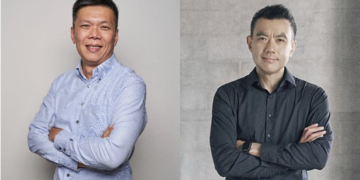
The other jury members did not weigh in on the question. They include Japanese actor Watanabe Makiko, known for M/Other, Love Exposure and Tokyo Vice; New York- and Tokyo-based producer Alex Lo of Cinema Inutile, whose credits include Jim Jarmusch’s Venice Golden Lion winner Father Mother Sister Brother; and Tokyo-based colorist Yov Moor, whose work includes The Taste of Things and Grand Tour. The five-member jury will select the Tokyo Grand Prix from 15 competition titles. The festival runs through November 4.
Co-Productions and Jury Deliberations
De Heer also addressed the prospects for Australia-Japan co-productions. He was candid about the challenges. “It makes no sense for a Japanese film to shoot in Australia, it makes no sense for an Australian film to shoot in Japan,” he said. He added that Europe handles purely financial co-productions well, while Australia does not. Still, he said collaborations rooted in genuine storytelling needs — where parts of a film must be shot in both countries — remain possible. “If the scripts come and if they are right,” he said, those projects will always find a way forward.
Meanwhile, Lo noted that producers in Europe, the United States and beyond are increasingly pursuing co-production opportunities. He said the main driver is a lack of local government support in many markets.
On the question of how a divided jury reaches a verdict, de Heer said the process would depend on the circumstances. “I’m with four other very reasonable people,” he said, “and I’m sure we can find a way through that we don’t end up with some sort of lesser compromised film, but a really interesting film that maybe some of us don’t like.”
Oh, serving as a Tokyo juror for the second time, recalled once arguing for seven hours in support of a film she believed in. “Every other jury member hated me,” she said with a laugh. She added that she hoped this year’s deliberations would not require another seven-hour battle — particularly not with de Heer.