English














































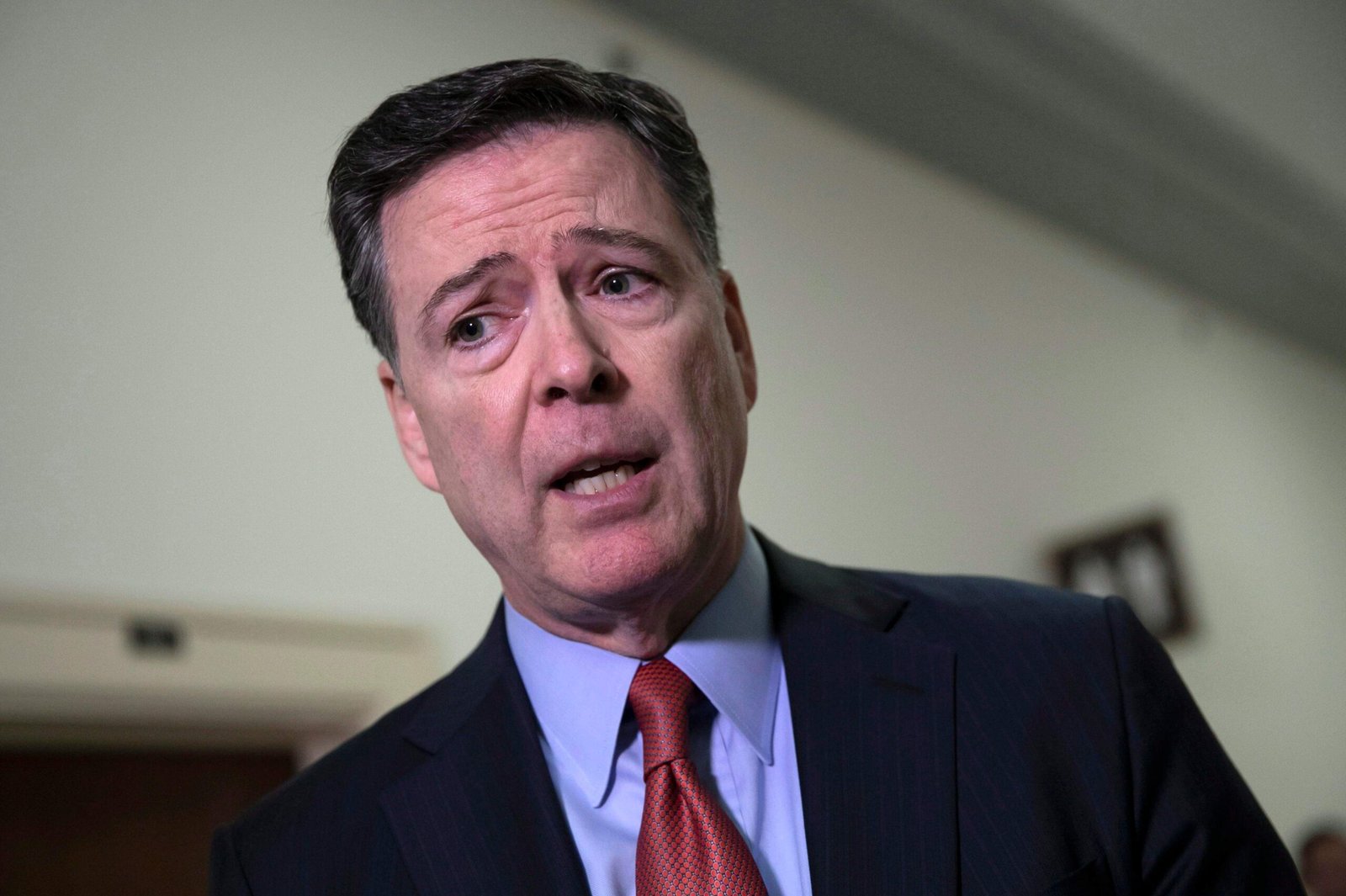
The Trump administration is pursuing a new attempt to prosecute former FBI Director James Comey over what it describes as a decade-old leak of classified information. Comey’s lawyers quickly rejected the effort, arguing it falls outside the legal time limit for filing criminal charges.
Federal court documents unsealed Monday in Washington revealed the details of a legal battle that has unfolded behind closed doors over the past month. The move would represent the third criminal case the Justice Department has attempted to bring against Comey, a prominent critic of President Donald Trump since the Republican returned to the White House last year.
Stay connected to every major update — subscribe and follow us on the PhoenixQ website and across our social media platforms.
Comey responded swiftly with a video statement. “Well, they’re back — again,” he said. “It would almost be funny if it weren’t such an appalling abuse of the Department of Justice — one that we cannot become numb to. Nothing’s changed with me; I’m still innocent, I’m still not afraid of these people — and I still believe in an independent federal judiciary.”
Justice Department Defends Its Legal Approach
The Justice Department acknowledged filing what is known as a criminal information. Officials said the filing aims to extend the standard 10-year statute of limitations for bringing a case against Comey.
A department spokesperson defended the move as routine. “Filing a criminal information to toll the statute of limitations is a widely recognized practice in federal court and has been approved by multiple Circuit Courts of Appeals,” the spokesperson said. “This is an ongoing criminal investigation, and we will not comment further.”
However, Comey’s legal team argued the effort is invalid. They maintained the government’s attempt falls outside the window the law allows for prosecution.
A Long and Contentious History
Comey served as FBI Director when Trump first took office in January 2017. President Barack Obama originally appointed him, and before that, Comey held senior positions at the Justice Department during President George W. Bush’s administration.
The relationship between Comey and Trump deteriorated almost immediately. Early in Trump’s presidency, Comey resisted a private request from Trump to pledge his personal loyalty. The encounter troubled Comey enough that he documented it in a written memo at the time.
Trump fired Comey in May 2017. The dismissal came while the FBI was actively investigating potential ties between Russia and Trump’s 2016 presidential campaign. Special counsel Robert Mueller later took over that inquiry. Mueller’s investigation concluded that Russia interfered in the 2016 election and that the Trump campaign welcomed the assistance. However, investigators found insufficient evidence to establish a criminal conspiracy between the two sides.
What Comes Next
The unsealed documents now bring the dispute into public view for the first time. Meanwhile, Comey remains defiant. He has consistently denied any wrongdoing throughout previous legal challenges connected to his time leading the FBI.
The Justice Department has not indicated a timeline for any further action. For now, the legal standoff continues as both sides hold firm on their opposing positions.