English
















































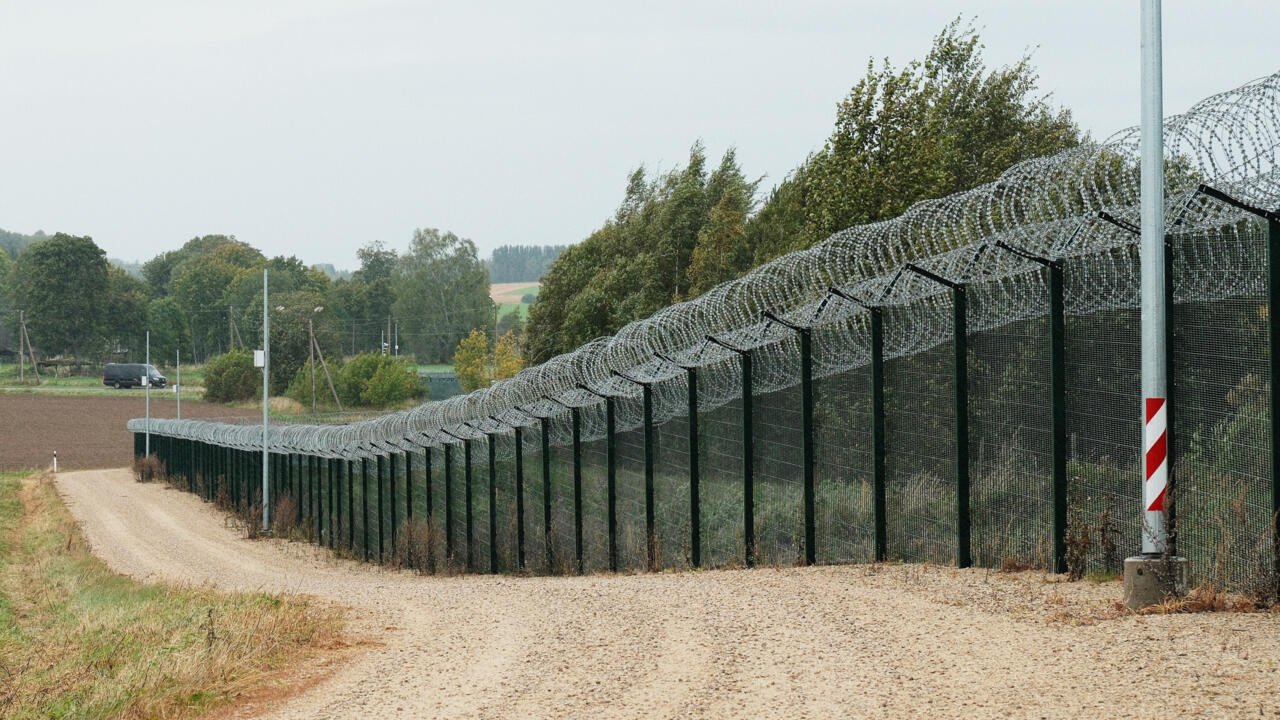
Estonia announced Sunday it will shut all border crossings with Russia on December 1, following the foiling of an alleged arson attack linked to Russian military intelligence at a drone manufacturing facility.
GRU Linked to Drone Factory Attack
Prime Minister Kristen Michal confirmed that Russia’s GRU military intelligence service ordered a sabotage attempt Saturday night at Threod Systems, an Estonian defence company that produces reconnaissance and attack drones. The incident took place in Viimsi, a town north of the capital Tallinn.
Stay connected to every major update — subscribe and follow us on the PhoenixQ website and across our social media platforms.
Security forces acted quickly to prevent serious damage. “Extensive damage was averted thanks to heightened security measures and a swift reaction by law enforcement,” Michal wrote on X. “The attackers have been detained,” he added.
Chief prosecutor Astrid Asi told journalists that eight individuals were arrested in connection with the attack. All eight are residents of Latvia.
Estonia Closes Russian Border Crossings
Foreign Minister Margus Tsahkna announced the border closure on X, citing “clear evidence” that the GRU had ordered the attack. He said the decision would take effect from December 1 and applies to all Estonian-Russian border crossing points.
Tsahkna also notified his counterparts in Finland, Latvia and Lithuania of the move. “Russia must understand that hostile actions against Estonia come with consequences,” he wrote. “Attempts to intimidate, destabilise, or undermine our security will not go unanswered.”
Part of a Broader Pattern
Michal described the incident as part of Russia’s wider hybrid warfare campaign against Europe. He said the goal is to reduce support for Ukraine and ease pressure on Russia. “We will not be intimidated,” he stated.
The attack follows a similar incident in August, when Milrem, a Tallinn-based defence subcontractor, was targeted in an attempted arson attack. Latvian nationals were also arrested in connection with that case.
Together, the two incidents point to a growing pattern of alleged Russian-directed sabotage targeting Estonia’s defence industry. European officials have increasingly warned about the threat of organised hybrid attacks across the continent.