English













































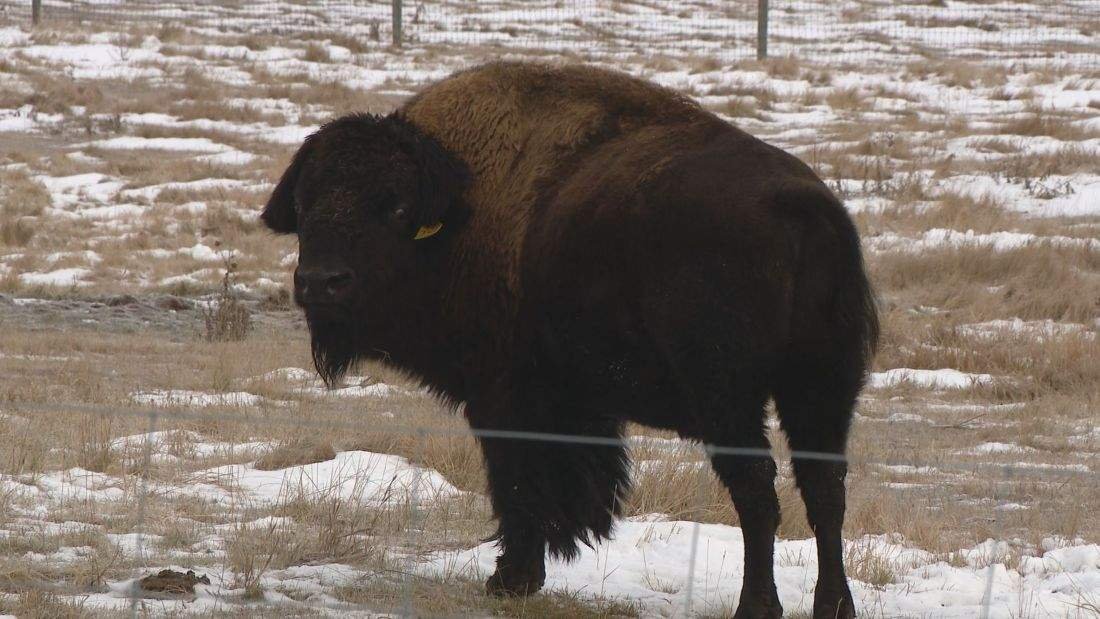
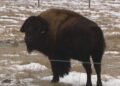
A major new study has concluded that restoring the genetic health of American bison populations across North America is achievable. Researchers from the University of Saskatchewan led the project, which they say could serve as a practical roadmap for bison conservation efforts.
Mapping the Bison Genome
The research was conducted under the Bison Integrated Genome (BIG) project. Scientists compared the complete genomes of 115 ancient bison — ranging from 200 to 20,000 years old — with those of 45 modern animals. The ancient samples included both wood and plains bison subspecies.
Stay connected to every major update — subscribe and follow us on the PhoenixQ website and across our social media platforms.
Gregg Adams, a retired professor from the University of Saskatchewan’s Western College of Veterinary Medicine and a principal investigator with BIG, explained the team’s goal. “We need to know what a pure plains bison is and what a pure wood bison is before we messed with the mix,” he said. “We thought if we get ancient DNA, we could get the gold standard of what they were.”
How Bison Lost Their Genetic Diversity
Before the industrial revolution, roughly 30 million bison roamed the Great Plains of North America, including parts of Canada’s Prairie provinces. As they migrated in vast herds, they interbred freely, maintaining strong genetic diversity. However, European settlers hunted bison heavily during the 19th century for hides, meat and sport. Numbers fell to just hundreds of animals.
The study found that the most significant genetic problem in modern bison is herd fragmentation. Roads and railways divided populations and cut off natural migration routes. “There’s no way for those bison herds to move, so they have become disconnected,” Adams said. “That isolation will eventually cause the demise of a small population.”
A further complication arose in the 1920s. Plains bison moved from northern Montana to Wainwright, Alberta, and then to Wood Buffalo National Park, where they bred with wood bison. Adams said this caused two serious problems. First, it triggered hybridization between the two subspecies. Second, it introduced cattle diseases into wild bison herds. As a result, all modern wood bison now carry plains bison ancestry.
A Blueprint for Recovery
Despite these challenges, the study concluded that genetic recovery remains feasible. Researchers found that the loss of genetic diversity stemmed from isolation and drift — not from interbreeding with cattle. The study recommended managing bison across herds as a connected metapopulation. This approach could restore natural genetic flow and prevent the permanent fixation of cattle-related genes in bison populations.
The University of Saskatchewan noted that project partners, including the Toronto Zoo and Parks Canada, can use these findings to guide conservation decisions. Researchers can now analyze sperm and eggs from modern bison to identify which herds carry hybrid genetics or lack key genes, then act strategically.
Adams described the findings as genuinely groundbreaking. “We got what I think is a blueprint of what bison were before we messed it up,” he told Global News. “We are really in a position where we can do something.” He also suggested the research model could benefit conservation efforts for other at-risk species.