English









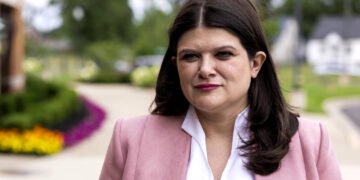
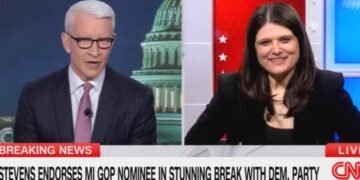
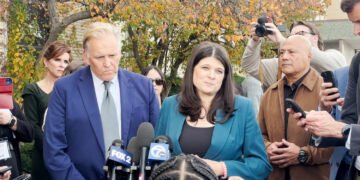





























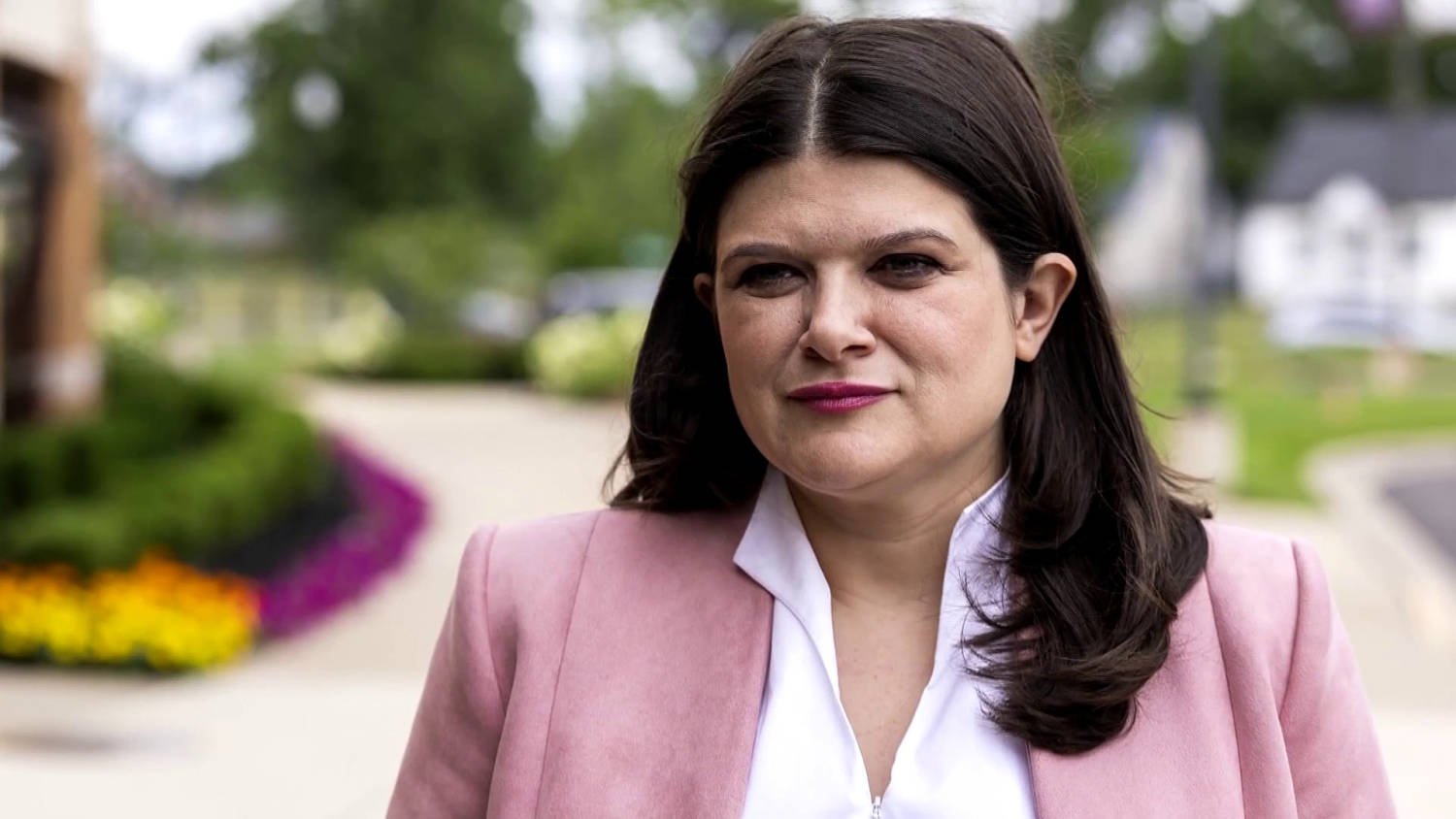
Democratic congresswoman Haley Stevens has crossed party lines to endorse Republican Mike Rogers in the Michigan Senate race, a striking move that adds a new dimension to one of the most closely watched contests of the midterm cycle.
Stevens Breaks with Her Party
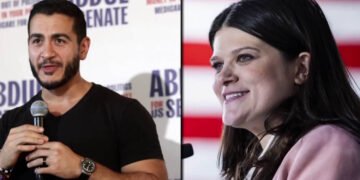
Stevens narrowly lost a contentious Democratic primary to Abdul El-Sayed in Michigan. Rather than rallying behind her party’s nominee, she chose to back Rogers, the Republican candidate. The decision represents a significant break from Democratic Party loyalty at a critical moment in the campaign.
Stay connected to every major update — subscribe and follow us on the PhoenixQ website and across our social media platforms.
NBC’s Ryan Nobles reported on the endorsement. Meet the Press moderator Kristen Welker also joined coverage to offer analysis on what the move could mean for the race and for Michigan voters more broadly.
A Race That Just Got More Complicated
The Michigan Senate race was already drawing national attention before Stevens made her announcement. Her endorsement of Rogers adds another layer of unpredictability to a contest that both parties consider important heading into Election Day.
Stevens discussed her decision publicly, explaining her reasoning for switching her support to the Republican candidate. Her willingness to speak openly about the move suggests she is committed to the endorsement despite the political fallout it may bring within Democratic circles.
Broader Midterm Context
Meanwhile, the national political environment remains highly competitive. A recent NBC News poll found that 52 percent of voters prefer a Democrat-controlled Congress. However, that figure has not stopped Republicans from pushing hard in key Senate battlegrounds across the country.
Senator Tim Scott expressed strong confidence in Republican prospects, stating “absolutely, positively, unequivocally, yes” when asked whether Republicans would maintain Senate control. Scott also argued that the midterm election is fundamentally about former President Donald Trump and his continued influence on the party.
In Alaska, a separate Senate dispute has drawn attention. Scott called the Peltola campaign “immoral” and “unethical” amid an ongoing ballot controversy. Additionally, the FBI confirmed it is investigating an Alaska Democratic Senate campaign, further complicating the political landscape in that state.
What Comes Next
With Election Day approaching, campaigns across the country are making their final pushes. In Michigan, the Stevens endorsement gives Rogers an unusual boost. It also raises questions about unity within the state Democratic Party as voters prepare to cast their ballots.
Illinois Governor JB Pritzker also made headlines during the same period. He declined to rule out a potential 2028 presidential run, saying the decision would be “all about what’s best for the people of Illinois.” He also accused former President Trump of attempting to interfere with the electoral process, though he did not provide specific details beyond that claim.
As the midterms draw closer, the Stevens-Rogers endorsement in Michigan stands out as one of the more unusual developments of the cycle, highlighting how personal and political tensions within a party can sometimes reshape a race entirely.