English









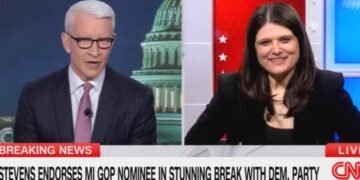
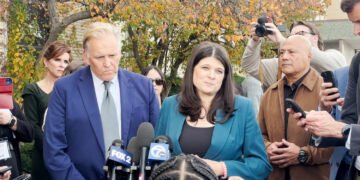

































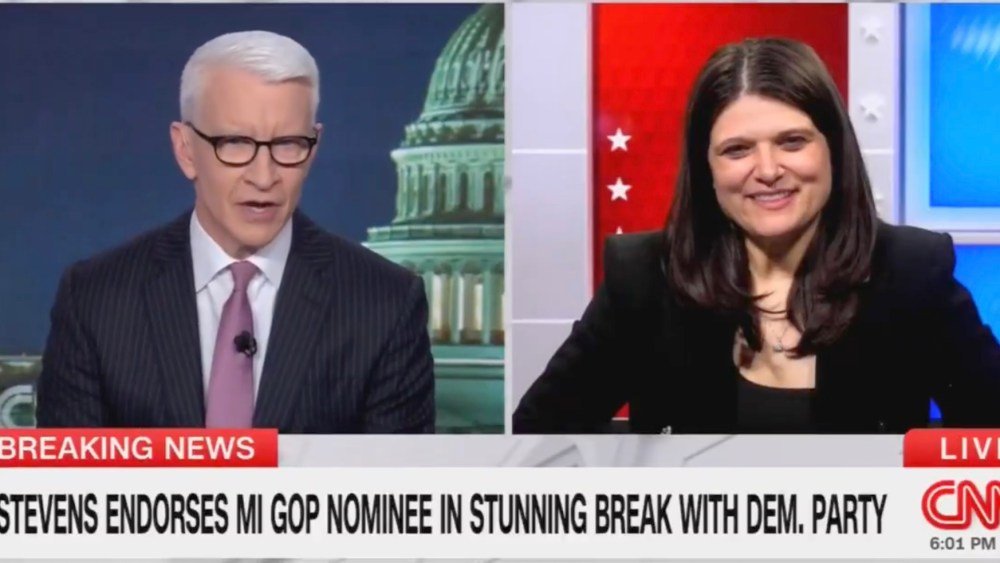
Michigan Congresswoman Haley Stevens faced sharp scrutiny this week after a CNN interview raised serious questions about her political judgment and credibility. Her last-minute decision to endorse Republican Mike Rogers over Democrat Abdul El-Sayed in the Michigan Senate race left many observers stunned — and her television appearance did little to explain it.
A Damaging Interview on CNN
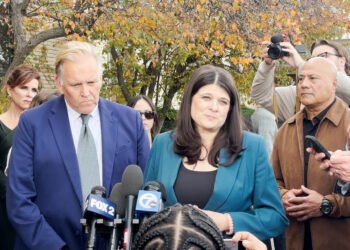
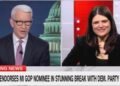
Stevens appeared Sunday night on CNN for a 15-minute exchange with anchor Anderson Cooper. Cooper pressed her on a specific allegation made by fellow Michigan Congresswoman Debbie Dingell. Dingell claimed Stevens had personally assured her that no cross-party endorsement was coming — just hours before Stevens appeared alongside Rogers at a Detroit church.
Stay connected to every major update — subscribe and follow us on the PhoenixQ website and across our social media platforms.
Cooper asked a straightforward question: what changed between that phone call and the following morning? Stevens could not provide a clear answer. Dingell, watching the segment live, later called it “one of the most painful interviews I have ever watched.”
Throughout the interview, Stevens repeatedly opened her answers with “Look…” before failing to make a coherent point. She blinked, scowled and gave a series of evasive non-answers. Her demeanor was notably unsteady for a national television appearance.
Cooper’s Quiet but Persistent Questioning
Cooper remained calm and methodical. He allowed Stevens to speak at length, which only deepened the damage. Stevens repeatedly declared her love for the Democratic Party. However, Cooper noted that her public refusal to support a Democratic candidate was the entire basis of their conversation.
Stevens also brought up former Maine Senate candidate Graham Platner’s Nazi tattoo and sexual assault allegations as a point of comparison. Cooper did not ask her to explain how El-Sayed’s conduct came close to that level. Instead, he focused on a narrower question: why were her concerns about El-Sayed — such as his association with commentator Hasan Piker, or an outside group’s ad linking Israel to high prices — acceptable one day, yet serious enough for a public defection the next?
Stevens never answered that question directly.
Political Fallout and Lame-Duck Status
Stevens also tried to minimize the significance of her endorsement, describing herself as “an independent woman.” Cooper pointed out the contradiction. She had chosen a national television platform to announce the decision, which undermined any claim that it was a private matter.
Meanwhile, multiple members of her staff have resigned. Her lack of preparation for Cooper’s predictable questions reflected that instability. Stevens herself acknowledged to Cooper that she is a lame-duck congresswoman and will leave the House within months.
By publicly endorsing Rogers and earning praise from Donald Trump, Stevens secured a brief moment of national attention. However, that attention came at a significant cost to her credibility and political legacy.
Her CNN appearance clarified very little about her reasoning. It did, however, confirm why Michigan Democrats chose not to make her their Senate nominee in the first place.