English
















































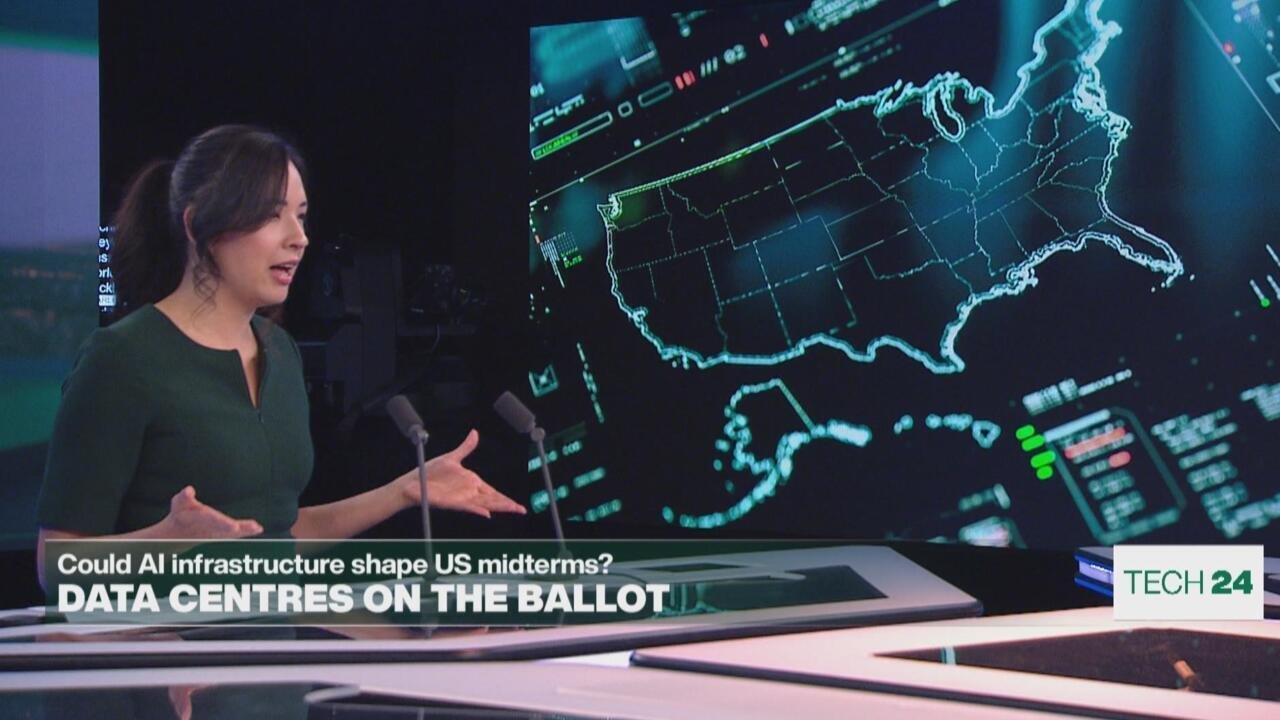
AI data centers have emerged as a surprising flashpoint in Tuesday’s US midterm elections, with voters across multiple states weighing in on whether these massive facilities should be built in their communities. The issue cuts across party lines, drawing opposition from both Democrats and Republicans alike.
A New Issue at the Ballot Box
When Americans head to the polls on Tuesday, many will decide more than congressional seats. Voters in 38 local jurisdictions will consider at least 41 separate measures aimed at delaying, banning, or imposing new regulations on data centers, according to Reuters. Twenty-one of those measures are in Ohio alone.
Stay connected to every major update — subscribe and follow us on the PhoenixQ website and across our social media platforms.
Data centers are the large industrial buildings that house the chips and servers powering AI services such as ChatGPT and Claude. Until recently, most people had little awareness of them. However, the rapid expansion of AI technology has pushed these facilities into the spotlight, making them a genuine concern for communities across the country.
Growing Public Opposition
Public resistance to data centers has grown sharply in recent months. A Gallup poll conducted in May found that seven in ten Americans oppose having a data center built near their home. Moreover, a follow-up Gallup poll released on Thursday ranked data centers ahead of climate change as an important local issue for voters heading into the midterms.
The primary driver of opposition is the enormous amount of electricity these facilities consume. Their rapid growth has sparked backlash not only across the United States but also in communities worldwide. In Ohio, the issue has become particularly notable because Democrats and Republicans are joining forces to push back against further development.
A Bipartisan Concern
The cross-party nature of the opposition makes data centers an unusual political issue. Typically, energy and technology debates divide along party lines. Instead, concerns about power consumption, land use, and local infrastructure appear to be uniting voters who otherwise disagree on most issues.
The scale of Tuesday’s votes reflects how quickly public sentiment has shifted. Data centers were largely invisible to most Americans just a few years ago. Now they sit at the center of a national debate about the costs and consequences of the AI boom. The results from Ohio, Illinois, and dozens of other jurisdictions on Tuesday will likely signal how communities across the country intend to manage the industry’s continued expansion.