English









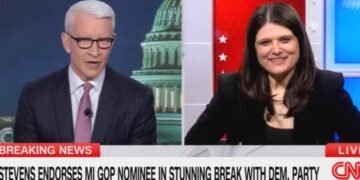
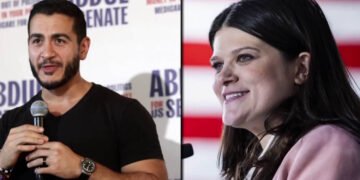
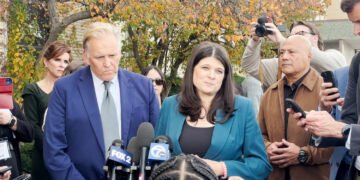






























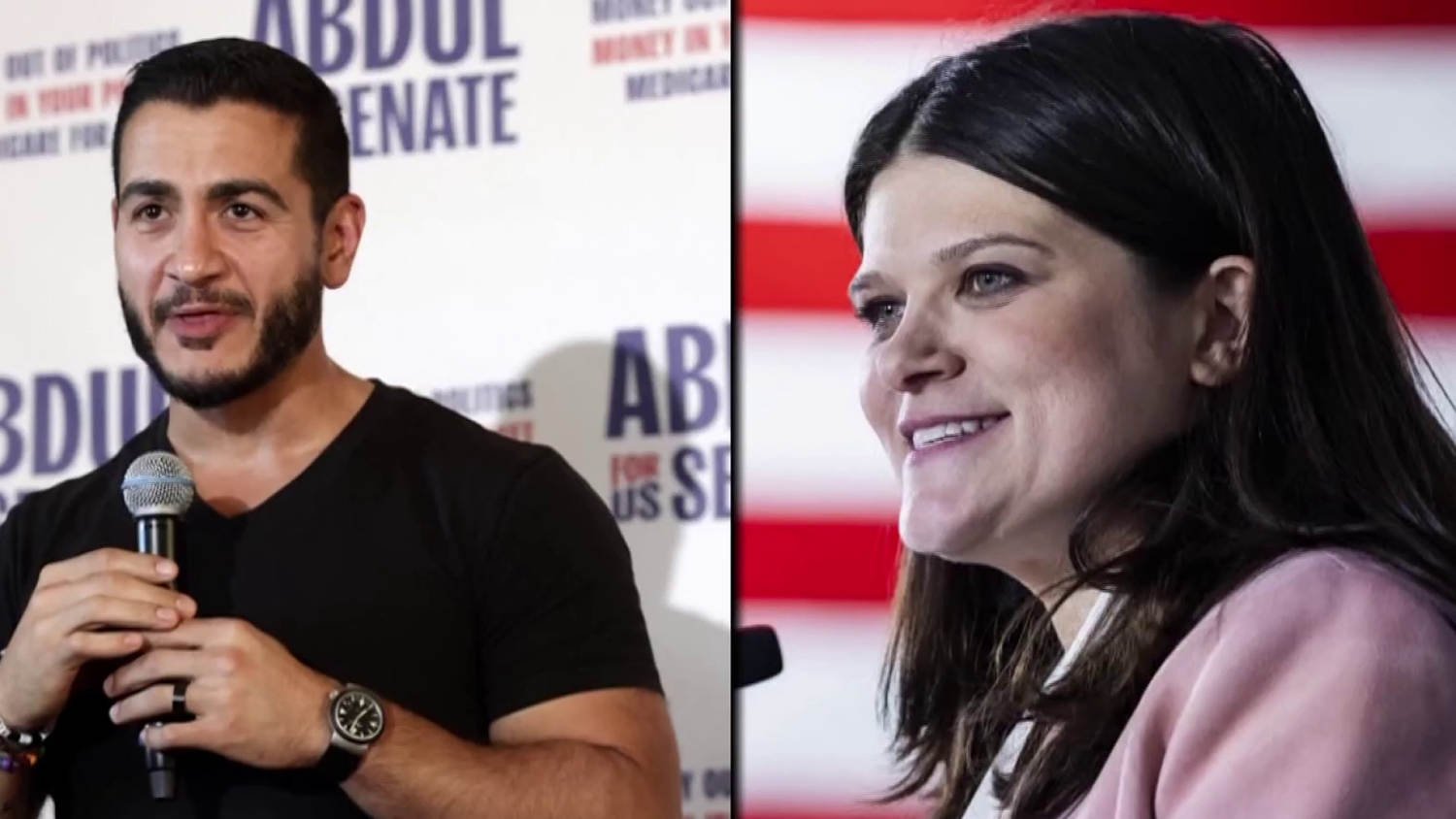
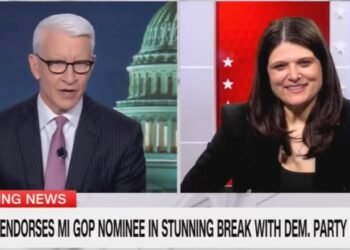
A surprising political shift has shaken up the Michigan Senate race, after Democratic Representative Haley Stevens withdrew her endorsement of her own party’s nominee and threw her support behind the Republican candidate instead.
Stevens Breaks with Her Party
Stevens announced she is now backing Republican Mike Rogers in the Michigan Senate race. She had previously endorsed Democrat Abdul El-Sayed as her party’s nominee. Her decision to cross party lines marks a significant and unexpected development in one of the country’s closely watched Senate contests.
Stay connected to every major update — subscribe and follow us on the PhoenixQ website and across our social media platforms.
NBC News correspondent Liz Kreutz reported the story on November 1, 2026. The move immediately drew attention as midterm elections approach and political tensions continue to rise nationwide.
A Critical Race Gets More Complicated
The Michigan Senate race was already considered a high-stakes contest. Stevens’ reversal adds a new layer of uncertainty to the outcome. Her endorsement of Rogers gives the Republican candidate a notable boost from across the political aisle.
Meanwhile, the broader midterm election landscape remains intensely competitive. Legal battles are heating up in several states ahead of election day. Campaigns across the country are navigating a fast-moving and unpredictable political environment.
In addition, NBC News released its final pre-midterm poll, with political analyst Steve Kornacki breaking down the key numbers for voters. The data offers a snapshot of where races stand as Americans prepare to cast their ballots.
Wider Midterm Context
The Michigan development comes as several other Senate and congressional races attract national scrutiny. Authorities are also investigating the Alaska Democratic campaign, adding further complexity to the midterm picture. Across the country, candidates and voters alike are bracing for what could be a turbulent election night.
Stevens’ decision to endorse Rogers over El-Sayed reflects the kind of intraparty friction that can reshape competitive races at the final stage. However, neither Stevens nor Rogers has yet issued a detailed public statement explaining the full reasoning behind the endorsement switch. The race now enters its final stretch with a new and unpredictable dynamic in play.